If your car suddenly starts misfiring, running rough, or losing power, one of the first things mechanics often check is the coil pack. This small electrical component plays a major role in your engine’s ignition system. Without it, your car simply wouldn’t start or run properly.
Modern vehicles rely on precise spark timing to ignite the air-fuel mixture in the engine cylinders. The coil pack generates the high voltage needed to create the spark. When it works correctly, your engine runs smoothly, efficiently, and reliably.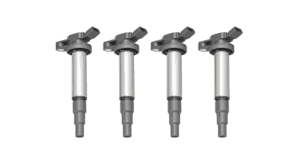 In this complete guide, we’ll break down what a coil pack is, how it works, common symptoms of failure, replacement costs, maintenance tips, and how to choose the right one.
Whether you’re a curious car owner or diagnosing engine problems, this article will give you a clear and practical understanding of this essential component.
What Is a Coil Pack in a Car?
A coil pack is an electronic component in a car’s ignition system that converts the battery’s low voltage into the high voltage needed to ignite fuel in the engine cylinders.
Your car battery produces only 12 volts, but the spark plugs require 20,000 to 40,000 volts to create a spark strong enough to ignite the air-fuel mixture.
The coil pack acts like a mini electrical transformer, increasing voltage dramatically so the spark plugs can fire properly.
Where Is the Coil Pack Located?
The location of the coil pack depends on the vehicle design. Common locations include:
- Mounted on top of the engine
- Attached to the valve cover
- Near the spark plugs
- Inside the ignition coil assembly
Some cars have one coil pack serving multiple cylinders, while others have individual coils for each spark plug.
How a Coil Pack Works
To understand the coil pack, it helps to look at the ignition process inside your engine.
Step 1: Battery Supplies Power
The car battery provides 12 volts of electrical energy to the ignition system.
Step 2: Current Flows to the Coil Pack
The coil pack stores electrical energy in its internal coils.
Step 3: Voltage Amplification
Using electromagnetic induction, the coil pack boosts the voltage thousands of times.
Step 4: Spark Generation
The high voltage travels to the spark plugs, which create sparks inside the cylinders.
Step 5: Combustion
The spark ignites the air-fuel mixture, generating power that moves the pistons and drives the car.
Without the coil pack, no spark means no combustion.
Main Functions of a Coil Pack
The coil pack performs several important tasks in a vehicle.
1. Converts Low Voltage to High Voltage
The primary function is transforming the battery’s low voltage into the high voltage needed by spark plugs.
2. Ensures Accurate Spark Timing
The ignition system controls when the coil pack fires, ensuring the spark occurs at the exact right moment.
3. Improves Engine Performance
A properly functioning coil pack ensures:
- Smooth acceleration
- Efficient fuel combustion
- Reduced emissions
4. Supports Modern Ignition Systems
Modern vehicles rely on electronic ignition systems that depend heavily on coil packs.
Types of Ignition Coil Systems
There are different ignition coil configurations used in cars.
| Ignition System Type | Description | Common In |
| Single Ignition Coil | One coil distributes spark to all cylinders | Older cars |
| Coil Pack | One pack serves multiple cylinders | Many modern vehicles |
| Coil-on-Plug (COP) | One coil per spark plug | Most modern engines |
The coil-on-plug system is now the most common design because it improves efficiency and reliability.
Comparison Table: Coil Pack vs Distributor Ignition
Older vehicles used distributors instead of coil packs.
| Feature | Coil Pack Ignition | Distributor Ignition |
| Technology | Modern electronic system | Mechanical system |
| Maintenance | Low | Higher maintenance |
| Spark Timing | Computer controlled | Mechanical timing |
| Reliability | Higher | Lower |
| Efficiency | Better fuel efficiency | Less efficient |
| Common In | Modern vehicles | Older cars |
Most vehicles manufactured in the past two decades use coil packs or coil-on-plug systems.
Symptoms of a Bad Coil Pack
When a coil pack fails, the engine may not receive proper spark. Here are common warning signs.
1. Engine Misfires
Misfires occur when the spark fails to ignite fuel in a cylinder. Symptoms include:
- Jerking while driving
- Rough idle
- Engine vibration
2. Check Engine Light
A faulty coil pack often triggers the check engine light. Common diagnostic codes include:
- P0300 (random misfire)
- P0301–P0308 (cylinder-specific misfire)
3. Poor Fuel Economy
When combustion is incomplete, your car burns more fuel than necessary.
4. Hard Starting or No Start
A completely failed coil pack may prevent the engine from starting.
5. Loss of Engine Power
You may notice:
- Sluggish acceleration
- Reduced performance
- Difficulty climbing hills
Causes of Coil Pack Failure
Like many engine components, coil packs can fail over time.
Heat Damage
Engines generate intense heat that can damage coil insulation.
Vibration
Constant vibration can weaken internal electrical components.
Spark Plug Problems
Worn spark plugs can overload the coil pack.
Moisture Intrusion
Water or oil leaks can damage electrical connections.
Age and Wear
Most coil packs wear out after years of use.
How Much Does a Coil Pack Cost?
The price depends on your vehicle model and the number of coils required.
| Expense | Average Cost |
| Coil pack part | $40 – $200 |
| Labor cost | $50 – $150 |
| Total replacement | $90 – $350 |
If your car uses coil-on-plug ignition, replacing all coils may cost more.
Can You Drive With a Bad Coil Pack?
Technically, yes,s but it’s not recommended. Driving with a faulty coil pack can cause:
- Engine damage
- Catalytic converter damage
- Reduced fuel efficiency
- Poor performance
If you notice misfires, it’s best to fix the problem quickly.
How Mechanics Diagnose Coil Pack Problems
Professional mechanics use several tests.
OBD-II Diagnostic Scan
This identifies misfire codes linked to specific cylinders.
Spark Test
Technicians check if the coil pack produces a spark.
Resistance Testing
A multimeter measures coil resistance to detect internal failure.
Coil Swap Test
Sometimes mechanics swap coils between cylinders to see if the misfire moves.
How Long Do Coil Packs Last?
Most coil packs last between:
80,000 to 120,000 miles
However, lifespan depends on:
- Engine heat
- Driving conditions
- Spark plug maintenance
- Electrical system health
Replacing spark plugs regularly helps extend coil life.
Buyer’s Guide: Choosing the Right Coil Pack
If you’re replacing your ignition coil pack, consider these important factors.
1. Vehicle Compatibility
Always choose a coil pack designed for your exact make, model, and engine type. Using the wrong coil can cause ignition problems.
2. OEM vs Aftermarket
OEM Coil Packs
Advantages:
- Guaranteed compatibility
- High reliability
- Factory quality
Disadvantages:
- Higher price
Aftermarket Coil Packs
Advantages:
- Lower cost
- Widely available
Disadvantages:
- Quality varies by brand
3. Build Quality
Look for coil packs with:
- Heat-resistant insulation
- High-quality copper windings
- Strong electrical connectors
4. Warranty
A good coil pack should include at least a 12-month warranty. Reliable brands sometimes offer longer warranties.
5. Brand Reputation
Choose reputable brands with strong customer reviews. Quality ignition components improve engine performance and longevity.
Maintenance Tips to Extend Coil Pack Life
While coil packs eventually wear out, proper maintenance can help them last longer.
Replace Spark Plugs Regularly
Old spark plugs force the coil pack to work harder.
Fix Oil Leaks
Oil leaking into spark plug wells can damage coils.
Keep the Engine Dry
Avoid water entering the ignition system during cleaning.
Check Engine Codes Early
Addressing misfires early prevents further damage.
Coil Pack vs Spark Plug: What’s the Difference?
People often confuse coil packs with spark plugs.
| Component | Function |
| Coil Pack | Generates high voltage |
| Spark Plug | Creates the spark that ignites fuel |
The coil pack supplies the energy, while the spark plug produces the spark.
Both must work together for proper engine combustion.
Final Thoughts
The coil pack is a vital component in your car’s ignition system, responsible for converting low battery voltage into the high voltage needed to ignite fuel in the engine cylinders.
When functioning correctly, it helps ensure:
- Smooth engine performance
- Efficient fuel combustion
- Reliable engine starting
However, when a coil pack fails, you may experience misfires, poor fuel economy, reduced power, and difficulty starting your vehicle.
Fortunately, coil packs are usually relatively affordable and easy to replace, making them one of the more manageable engine repairs.
Keeping your spark plugs in good condition and addressing ignition issues early can significantly extend the life of your coil packs and keep your car running smoothly.
Read More: What Is An AC Belt In A Car
FAQs: What Is A Coil Pack In A Car
What does a coil pack do in a car?
A coil pack converts the car battery’s low voltage into the high voltage required to create sparks in the spark plugs and ignite the air-fuel mixture.
How do I know if my coil pack is bad?
Common symptoms include:
- Engine misfires
- Check engine light
- Poor fuel economy
- Rough idle
- Hard starting
Can a bad coil pack damage an engine?
Yes. Continued misfires can damage the catalytic converter and reduce engine efficiency.
Should I replace all coil packs at once?
Not always. If one coil fails, replacing only the faulty one is usually fine unless others show signs of wear.
How long does it take to replace a coil pack?
Most coil pack replacements take 30 minutes to 1 hour, depending on vehicle design.
Can a bad coil pack cause a car not to start?
Yes. If the ignition system cannot generate a spark, the engine will not start.