If you’ve spent even a little time around modified turbocharged cars, you’ve probably heard someone say: “You need a turbo back exhaust if you want real performance.”
The first time I heard that phrase, I honestly had no clue what it meant. I knew exhaust systems made cars louder. I knew some helped with performance. But what is the difference between a cat-back and a turbo back exhaust? Completely confusing.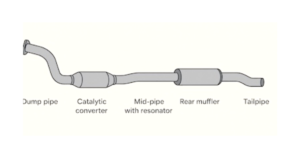 After years of driving turbocharged cars, experimenting with modifications, and helping friends choose the right setups, I’ve learned that a turbo back exhaust is one of the most noticeable upgrades you can make to a turbo vehicle.
And no, it’s not just about making your car louder. A properly designed turbo back exhaust can improve horsepower, turbo spool response, throttle feel, and even driving excitement in ways you immediately notice from behind the wheel.
But there’s also a downside. Some systems drone horribly. Some are illegally loud. Others trigger the check engine light or become annoying during daily driving.
So in this guide, I’ll break everything:
- What a turbo back exhaust actually is
- How it works
- Real-world benefits and drawbacks
- Turbo back vs cat-back comparisons
- Sound expectations
- Installation concerns
- Buying advice
- Frequently asked questions
Whether you’re a beginner or an enthusiast planning your first turbo upgrade, this guide will help you decide if a turbo back exhaust is worth it for your build.
What Is a Turbo Back Exhaust?
A turbo back exhaust is a complete aftermarket exhaust system that replaces everything from the turbocharger outlet all the way to the rear exhaust tip.
In simple terms:
It upgrades the entire exhaust pathway after the turbo.
This usually includes:
- Downpipe
- Mid-pipe
- Catalytic converter (sometimes)
- Resonator
- Muffler
- Exhaust tip
The key difference is that the system starts directly at the turbocharger.
That’s why it’s called “turbo back.”
Why Turbo Cars Benefit So Much from Exhaust Upgrades
Turbocharged engines work differently from naturally aspirated engines. A turbocharger uses exhaust gases to spin a turbine, which forces more air into the engine.
The problem?
Factory exhaust systems are usually restrictive.
Manufacturers design them to prioritise:
- Emissions compliance
- Noise reduction
- Fuel economy
- Low production cost
That restriction slows down exhaust flow.
And slower exhaust flow means:
- More backpressure
- Reduced turbo efficiency
- Slower spool times
- Lower horsepower potential
A turbo back exhaust reduces those restrictions dramatically.
The result is:
- Faster turbo spool
- Better airflow
- Increased power
- More aggressive sound
Turbo Back Exhaust Components Explained
1. Downpipe
The downpipe is arguably the most important section.
It connects directly to the turbocharger.
Factory downpipes are often narrow and restrictive, especially near the catalytic converter.
Aftermarket downpipes are usually:
- Wider diameter
- Mandrel bent
- High-flow
- Less restrictive
This section alone can produce major gains.
2. Catalytic Converter
Turbo back systems may include:
- High-flow catalytic converters
- Catless designs
A high-flow cat keeps emissions somewhat controlled while improving flow.
Catless systems maximise performance and sound, but may be illegal for street use in many places.
3. Mid-Pipe
This connects the downpipe to the rear section.
Better mid-pipes improve airflow consistency and reduce turbulence.
4. Resonator
Resonators help control harsh frequencies.
Without one, some cars sound raspy or produce an unbearable drone.
I’ve driven both resonated and non-resonated systems, and honestly, for daily driving, resonated setups are usually much more enjoyable.
5. Muffler
The muffler controls sound volume and tone.
Different muffler designs can dramatically change:
- Loudness
- Deepness
- Crackles
- Cabin drone
Turbo Back vs Cat-Back Exhaust
This is the comparison most buyers care about.
| Feature | Turbo Back Exhaust | Cat-Back Exhaust |
| Replaces Downpipe | Yes | No |
| Performance Gains | High | Moderate |
| Sound Increase | Significant | Mild to Moderate |
| Turbo Spool Improvement | Major | Minor |
| Cost | Higher | Lower |
| Installation Difficulty | Harder | Easier |
| Emissions Impact | Possible | Usually Minimal |
| Check Engine Light Risk | Higher | Lower |
| Best For | Maximum performance | Sound & mild upgrades |
My Personal Experience with Turbo Back Exhaust Systems
The first turbo back system I installed was on a turbocharged hatchback.
Before the upgrade, the car felt decent but slightly lazy in the mid-range. The turbo lag was noticeable, especially in lower gears.
After installing the turbo back exhaust?
The difference shocked me.
Not because the car suddenly became a race car, but because it felt more alive.
Things I noticed immediately:
- Turbo spooled earlier
- Throttle response improved
- The car pulled harder through the mid-range
- Exhaust note became deeper and more aggressive
But I also learned an important lesson:
Not all turbo back systems are pleasant.
One cheap system I tried later sounded terrible at highway speeds. The drone inside the cabin made long trips exhausting.
That experience taught me that exhaust sound quality matters just as much as performance.
How Much Horsepower Does a Turbo Back Exhaust Add?
This depends heavily on:
- Engine type
- Turbo size
- Tune
- Supporting modifications
But generally, turbo back exhausts can add:
- 10–20 HP on lightly tuned cars
- 30–50+ HP on tuned turbo builds
Some highly restricted factory systems gain even more.
The biggest improvements usually come when paired with:
- ECU tuning
- Intake upgrades
- Intercoolers
- Boost adjustments
Why Turbo Back Exhausts Improve Turbo Spool
This is where things get interesting.
Turbochargers rely on exhaust energy.
If the exhaust gases face resistance exiting the system, the turbo works harder.
Reducing restrictions allows gases to escape faster.
That means:
- Quicker turbine acceleration
- Faster boost onset
- Reduced lag
You often feel this as stronger acceleration earlier in the RPM range.
Sound: What to Expect
A turbo back exhaust dramatically changes the exhaust tone.
Common changes include:
Louder Volume
Especially under acceleration.
Deeper Tone
Most systems create a more aggressive sound profile.
Turbo Noises
You may hear:
- Turbo whistle
- Spool sounds
- Blow-off valve noise
These sounds are addictive for many enthusiasts.
Pops and Crackles
Some setups create crackles during deceleration.
This depends on:
- Tuning
- Muffler design
- Catalytic converter setup
The Truth About Exhaust Drone
This matters more than many buyers realise.
Drone is the low-frequency humming sound inside the cabin at cruising speed.
A bad drone can ruin daily driving.
From personal experience:
- Cheap systems often drone heavily
- Muffler deletes are usually worse
- Resonated systems help significantly
If your car is a daily driver, prioritise sound quality over maximum loudness.
Turbo Back Exhaust Pros
1. Significant Performance Gains
This is the biggest reason people upgrade.
Turbocharged engines respond extremely well to freer-flowing exhausts.
2. Faster Turbo Response
Reduced lag makes the car feel more responsive.
3. Better Sound
A quality turbo back exhaust completely transforms driving character.
4. More Tuning Potential
Higher airflow supports additional performance modifications.
5. Reduced Backpressure
This improves turbo efficiency.
Turbo Back Exhaust Cons
1. Expensive
Good systems can cost a lot.
Especially stainless steel-branded options.
2. Installation Complexity
Replacing the downpipe can be difficult.
Some vehicles require extensive labour.
3. Possible Emissions Issues
Catless systems may fail emissions testing.
4. Potential Check Engine Lights
Some setups trigger O2 sensor warnings.
5. Drone & Noise
Poorly designed systems can become annoying quickly.
Stainless Steel vs Aluminised Steel
This matters when buying.
| Material | Pros | Cons |
| Stainless Steel | Durable, corrosion-resistant, premium | More expensive |
| Aluminized Steel | Cheaper | Rusts faster |
Personally, I always recommend stainless steel if possible.
Especially in wet climates.
Single Exit vs Dual Exit Exhaust
Single Exit
- Lighter
- Usually louder
- Simpler airflow
Dual Exit
- More balanced appearance
- Often quieter
- Slightly heavier
Performance differences are usually minor unless you’re making serious power.
Resonated vs Non-Resonated Systems
| Type | Sound | Drone | Daily Driving |
|—|—|—|
| Resonated | Smoother | Lower | Better |
| Non-Resonated | Louder | Higher | More aggressive |
For most street cars, resonated systems are the smarter choice.
Is a Turbo Back Exhaust Legal?
This depends entirely on your location.
Some areas prohibit:
- Catless systems
- Excessive noise
- Modified emissions equipment
Always check local regulations before buying.
A system that’s legal in one country may be illegal elsewhere.
Fuel Economy: Does It Improve?
Sometimes slightly.
Reduced restriction can improve engine efficiency under light driving.
But realistically?
Most people drive harder after installing one because the car sounds better.
So fuel economy often stays the same or decreases.
Best Vehicles for Turbo Back Exhaust Upgrades
Turbo back exhausts work especially well on:
- Subaru WRX/STI
- Volkswagen GTI
- Ford EcoBoost models
- Mitsubishi Evo
- BMW turbo models
- Audi turbo cars
- Nissan turbo platforms
Turbocharged engines benefit much more than naturally aspirated vehicles.
Common Mistakes Buyers Make
Buying Based Only on Loudness
A loud exhaust isn’t automatically a good exhaust.
Sound quality matters.
Ignoring Drone Reviews
Always research real-world owner feedback.
Choosing Cheap Materials
Rust becomes a problem fast.
Going Catless Without Research
This can create legal and emissions headaches.
Forgetting About Tuning
Some setups work best with ECU tuning.
Buyer’s Guide: How to Choose the Right Turbo Back Exhaust
1. Decide Your Goal
Ask yourself:
Do you want:
- Maximum power?
- Better sound?
- Daily drivability?
- Track performance?
Your goal determines the best setup.
2. Choose Material Quality
304 stainless steel is usually ideal.
It lasts longer and resists corrosion.
3. Consider Sound Carefully
Watch videos, but remember:
Videos rarely capture true volume accurately.
Real owner reviews matter more.
4. Think About Emissions
If your area requires inspections, stay legal.
A high-flow catalytic converter is often the safest compromise.
5. Check Compatibility
Make sure the system fits:
- Your exact vehicle year
- Engine
- Turbo configuration
6. Research Brand Reputation
Good brands usually provide:
- Better welds
- Better fitment
- Better sound engineering
- Longer durability
7. Don’t Ignore Installation Costs
Some installations become expensive due to labour difficulty. Budget for this ahead of time.
Are Cheap Turbo Back Exhausts Worth It?
Sometimes, but usually with compromises. Common problems include:
- Poor weld quality
- Bad fitment
- Excessive drone
- Rust
- Rattling
I’ve seen cheap systems require modifications just to fit correctly. A quality exhaust may cost more upfront, but it saves frustration later.
Do You Need a Tune After Installing One?
Often yes, especially with catless downpipes. Without tuning, you may experience:
- Check engine lights
- Air-fuel issues
- Reduced performance gains
A tune helps optimise:
- Boost
- Fueling
- Ignition timing
This unlocks the full benefit of the upgrade.
Turbo Back Exhaust for Daily Drivers
Can you daily drive one?
Absolutely.
But setup matters.
For comfortable daily driving, I recommend:
- Resonated system
- High-flow catalytic converter
- Quality muffler
- Professional tuning
That combination balances:
- Sound
- Comfort
- Reliability
- Performance
Turbo Back Exhaust for Track Builds
Track-focused cars usually prioritise:
- Maximum flow
- Weight reduction
- Aggressive sound
These setups are often:
- Louder
- Less comfortable
- More performance-oriented
Perfect for enthusiasts who value speed over refinement.
Installation: DIY or Professional?
Some experienced enthusiasts install exhaust systems themselves. But turbo back installations can be difficult due to:
- Rusted bolts
- Tight turbo access
- Sensor relocation
- Fitment adjustments
If you’re inexperienced, professional installation may save time and stress.
Maintenance Tips
Turbo back systems require occasional inspection. Check for:
- Exhaust leaks
- Rust
- Loose hangers
- Cracked welds
Good systems can last many years if maintained properly.
Are Turbo Back Exhausts Worth It?
For turbocharged performance enthusiasts? Yes absolutely. It’s one of the most noticeable modifications you can make. But the key is choosing wisely.
The best turbo back exhaust isn’t always the loudest or cheapest. The ideal setup balances:
- Performance
- Comfort
- Reliability
- Sound quality
- Legal compliance
Read More: Bad Car Rotors | My Honest Review
FAQs: What Is Turbo Back Exhaust
What does a turbo back exhaust do?
It replaces the entire exhaust system from the turbocharger to the exhaust tip, improving airflow, performance, and sound.
Is a turbo back exhaust louder than a cat-back?
Yes. Turbo back systems are usually significantly louder because they replace the restrictive downpipe and catalytic sections.
How much HP can a turbo back exhaust add?
Depending on the vehicle and tune, gains can range from 10 to over 50 horsepower.
Does a turbo back exhaust require tuning?
Often yes, especially with aftermarket downpipes or catless setups.
Is the turbo back better than the cat-back?
For maximum performance, yes. For mild sound upgrades and easier installation, cat-back systems may be better.
Can a turbo back exhaust damage the engine?
A quality system installed properly generally does not harm the engine. Poor tuning, however, can create issues.
Is a turbo back exhaust legal?
It depends on local emissions and noise laws. Catless systems are illegal in many regions.
Does turbo back improve fuel economy?
Sometimes slightly, but aggressive driving after installation often offsets gains.
What is an exhaust drone?
Drone is a low-frequency cabin noise at cruising speeds caused by certain exhaust frequencies.
Are resonated exhausts better?
For daily driving, most people find resonant systems more comfortable.
How long does installation take?
Professional installation typically takes 2–6 hours, depending on the vehicle.
Can I install a turbo back exhaust myself?
Yes, if you have tools and experience. Some vehicles are much harder than others.
What’s the difference between high-flow cats and catless systems?
High-flow cats maintain some emissions control, while catless systems maximise flow but increase emissions and noise.
Why do turbo cars sound different after an exhaust upgrade?
Freer exhaust flow amplifies turbo noises, exhaust pulses, and spool sounds.
Is stainless steel worth the extra cost?
Usually yes. It lasts longer and resists corrosion far better than cheaper materials.
Final Thoughts
A turbo back exhaust is more than just a noise upgrade.
It changes how a turbocharged car feels, responds, and drives.
Done correctly, it can transform an ordinary turbo car into something genuinely exciting.
You’ll likely notice:
- Faster spool
- Stronger acceleration
- Better sound
- More engaging driving experience
But there are tradeoffs, too:
- Cost
- Noise
- Emissions concerns
- Possible drone
That’s why research matters.
After trying multiple setups over the years, I’ve learned that balance is everything.
The best exhaust system is the one that fits your driving style, not the one that’s simply loudest online.