When people think about expensive car repairs, they usually picture engines, transmissions, or air conditioning compressors. Rarely does anyone think about the humble car AC belt until it starts squealing or snaps unexpectedly.
I learned this lesson the hard way. One summer afternoon, my car’s air conditioner suddenly stopped blowing cold air. Moments later, I noticed the battery warning light flickering and a faint burning rubber smell coming from the engine bay.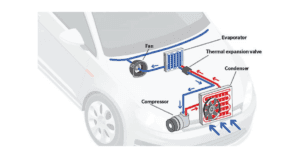 I assumed the AC compressor had failed, but after visiting my mechanic, the diagnosis was surprisingly simple: the serpentine belt, which drove the AC compressor, had worn out.
The repair was much cheaper than I expected. The belt itself cost less than a tank of fuel, and replacing it took under an hour. Since then, I’ve paid much closer attention to belt maintenance because a relatively inexpensive part can prevent hundreds or even thousands of dollars in future repairs.
If you’re wondering how much a car AC belt costs, whether you should choose an OEM or aftermarket belt, or how often it needs replacing, this guide covers everything you need to know. By the end of this article, you’ll understand:
- Average AC belt prices
- Labor and replacement costs
- Factors that affect pricing
- OEM vs aftermarket belts
- When to replace your belt
- Tips for buying the best replacement
- Maintenance advice to maximize belt life
Let’s start with the most common question.
How Much Does a Car AC Belt Cost?
The cost depends on your vehicle, engine design, and whether you’re purchasing an original-equipment manufacturer belt or an aftermarket alternative. On average:
- Economy AC Belt: $10–20
- Standard Replacement Belt: $20–35
- Premium EPDM Belt: $30–60
- OEM Belt: $40–80
Professional installation usually adds:
- $40–150
Total replacement generally costs:
$60–200
Luxury vehicles and imported cars can cost more due to specialized belt routing and labor requirements.
Car AC Belt Price Comparison
| Belt Type | Belt Price | Labor Cost | Total Cost | Lifespan | Best For |
| Economy Rubber Belt | $10–20 | $40–80 | $50–100 | 40k–60k miles | Budget repairs |
| Standard Aftermarket | $20–35 | $50–90 | $70–125 | 60k–80k miles | Daily drivers |
| Premium EPDM Belt | $30–60 | $60–120 | $90–180 | 90k–100k miles | Long-term reliability |
| OEM Manufacturer Belt | $40–80 | $70–150 | $110–230 | 90k–100k+ miles | Factory-quality replacement |
What Is a Car AC Belt?
Many drivers assume the air conditioner has its own dedicated belt. While older vehicles often did, most modern vehicles use a serpentine belt that powers multiple components simultaneously, including:
- Air conditioning compressor
- Alternator
- Water pump
- Power steering pump (if hydraulic)
- Some cooling fans
- Other engine accessories
If this single belt breaks, several vehicle systems can stop working almost immediately. That’s why replacing a worn belt before it fails is one of the smartest preventive maintenance tasks you can perform.
Why Car AC Belt Prices Vary
- Not every belt costs the same.
- Several factors influence pricing.
1. Vehicle Make and Model
Compact economy cars typically use inexpensive belts. Examples:
- Toyota Corolla
- Honda Civic
- Hyundai Elantra
Luxury vehicles often require premium belts that cost considerably more. Examples:
- BMW
- Mercedes-Benz
- Audi
- Lexus
2. Belt Material
Modern belts are made from stronger materials than older neoprene belts. Common materials include:
Neoprene
Pros
- Low cost
- Widely available
Cons
- Wears faster
- Cracks sooner
- Less heat resistant
EPDM Rubber
EPDM stands for Ethylene Propylene Diene Monomer. Benefits include:
- Longer lifespan
- Better heat resistance
- Reduced cracking
- Quieter operation
- Greater flexibility
Although EPDM belts cost more initially, they often provide better long-term value.
3. OEM vs Aftermarket
OEM (Original Equipment Manufacturer)
Advantages:
- Exact factory fit
- Excellent quality
- Longer durability
- Manufacturer-approved
Disadvantages:
- Higher price
Aftermarket Belts
Advantages:
- Lower cost
- Many brand choices
- Readily available
Disadvantages:
- Quality varies significantly
- Some budget brands wear out faster
Premium aftermarket brands can perform just as well as OEM products.
4. Engine Layout
Some engines are easier to access than others.
For example:
Front-wheel-drive vehicles often have tighter engine bays, making belt replacement more labor-intensive.
Rear-wheel-drive trucks generally offer easier access.
Labor costs may differ by over $100 simply because of engine design.
Signs Your AC Belt Needs Replacement
One mistake many drivers make is waiting until the belt breaks. Instead, watch for these warning signs.
1. Squealing Noise
The classic high-pitched squeal often occurs:
- During startup
- While accelerating
- When turning on the air conditioner
This usually indicates belt wear or insufficient tension.
2. Visible Cracks
Inspect the belt regularly. Replace it if you notice:
- Cracks
- Missing ribs
- Frayed edges
- Splits
- Chunks missing
These are clear indicators that the belt is nearing the end of its service life.
3. Air Conditioner Stops Cooling
If the compressor isn’t being driven properly, the AC may:
- Blow warm air
- Cool inconsistently
- Stop working entirely
Sometimes the issue is the compressor, but a worn or slipping belt can produce the same symptoms.
4. Burning Rubber Smell
- A slipping belt creates excessive friction.
- This generates heat, producing the unmistakable smell of burning rubber.
- Ignoring this symptom can eventually damage pulleys and other accessories.
5. Battery Warning Light
- Because the serpentine belt also powers the alternator, a failing belt may trigger the battery warning light.
- This should never be ignored.
- A broken belt can quickly leave you stranded with a dead battery.
Is It Safe to Drive With a Worn AC Belt?
Technically, you may be able to drive for a short distance if the belt is merely squealing. However, it’s not recommended. A broken serpentine belt can cause:
- Loss of air conditioning
- Battery charging failure
- Engine overheating (on many vehicles)
- Loss of power steering (on some models)
A simple $30 belt can quickly turn into a repair costing hundreds or more if ignored.
OEM vs Aftermarket AC Belts
One of the biggest questions car owners ask is whether an OEM belt is worth the extra money. Here’s a detailed comparison.
| Feature | OEM Belt | Aftermarket Belt |
| Price | Higher | Lower |
| Fit | Perfect factory fit | Usually excellent |
| Warranty | Manufacturer-backed | Varies by brand |
| Lifespan | Excellent | Good to Excellent |
| Availability | Dealer only (sometimes) | Widely available |
| Value | High | Very High (premium brands) |
My Recommendation
For most drivers, a premium aftermarket EPDM belt offers the best balance of price and performance.
However, if you own a luxury vehicle or a newer car still under warranty, sticking with an OEM belt is often the safest choice.
Best Car AC Belt Brands
Not all belts are made to the same standard. Choosing a reputable brand can significantly improve durability and reduce the chance of premature wear.
1. Gates
Pros
- Excellent durability
- Trusted by mechanics
- Quiet operation
- Long service life
Cons
- Slightly more expensive
Best For
Daily drivers and long-term reliability.
2. Continental
Known for precision engineering and premium rubber compounds.
Pros
- Smooth operation
- Excellent heat resistance
- Long lifespan
Cons
- Higher price than budget options
3. Dayco
One of the most recognized names in replacement belts.
Pros
- Affordable
- Easy to find
- Good quality
Cons
- Entry-level models wear faster than premium versions.
4. Bando
Many Japanese manufacturers use Bando belts as original equipment.
Pros
- Excellent fit
- OEM quality
- Great durability
5. ACDelco
Especially popular for General Motors vehicles.
Pros
- Reliable
- Factory-quality materials
- Competitive pricing
What Does It Cost to Replace an AC Belt?
The belt itself is inexpensive. Labor is where most of the expense comes from.
Average Costs
| Item | Average Cost |
| Belt Only | $15–60 |
| Belt Tensioner (if needed) | $40–150 |
| Idler Pulley | $30–90 |
| Labor | $50–150 |
| Complete Replacement | $80–250 |
If the mechanic discovers a worn tensioner or pulley, replacing them at the same time is usually worthwhile since they wear together.
Can You Replace an AC Belt Yourself?
Yes, if you have basic mechanical skills. Many DIY enthusiasts replace their own serpentine belts in less than an hour.
Basic Tools Needed
- Socket wrench
- Breaker bar
- Belt routing diagram
- Flashlight
- Gloves
DIY Advantages
- Save $50–150 in labor
- Learn basic vehicle maintenance
- Complete the job in under an hour on many vehicles
DIY Challenges
Some modern engine compartments are very cramped.
Luxury vehicles may require removing covers, engine mounts, or additional components before accessing the belt.
How Long Does an AC Belt Last?
Most modern EPDM belts last:
60,000–100,000 miles
Older neoprene belts usually last:
40,000–60,000 miles
Driving conditions can shorten belt life considerably. Examples include:
- Extreme heat
- Frequent stop-and-go traffic
- Dusty roads
- Oil contamination
- Coolant leaks
What Causes an AC Belt to Wear Out?
Even premium belts eventually deteriorate. Common causes include:
Heat
High engine temperatures gradually harden the rubber.
Age
Rubber naturally loses flexibility over time.
Even a low-mileage vehicle may need a new belt after several years.
Oil Leaks
Engine oil weakens rubber and accelerates wear.
Coolant Leaks
Leaking coolant damages belt material and causes slipping.
Misaligned Pulleys
A slightly crooked pulley can wear out a new belt surprisingly fast.
Worn Belt Tensioner
A weak tensioner allows belt slippage, causing squealing and premature failure.
Buyer’s Guide: How to Choose the Best Car AC Belt
Buying the cheapest belt isn’t always the smartest choice. Here are the most important factors to consider.
1. Verify Vehicle Compatibility
Always check:
- Make
- Model
- Year
- Engine size
Even different engine options within the same model can use different belts.
2. Choose EPDM Rubber
EPDM belts offer:
- Longer lifespan
- Better flexibility
- Improved heat resistance
- Reduced cracking
- Quieter operation
3. Buy From a Reputable Brand
Trusted brands generally provide:
- Better manufacturing quality
- Consistent sizing
- Longer warranties
- Reliable performance
4. Inspect the Belt Before Installation
Never install a belt that shows:
- Cracks
- Frayed edges
- Twists
- Shipping damage
5. Replace Related Components
If you’re already replacing the belt, inspect:
- Belt tensioner
- Idler pulley
- AC compressor pulley
Replacing worn components together can prevent repeat repairs.
Tips to Extend AC Belt Life
Proper maintenance helps maximize belt longevity.
Inspect Every Oil Change
Look for:
- Cracks
- Glazing
- Fraying
- Missing ribs
Keep the Engine Clean
Oil and coolant leaks shorten belt life.
Repair leaks promptly.
Listen for New Noises
A squealing belt rarely fixes itself.
Early repairs are much cheaper than roadside breakdowns.
Replace on Schedule
Don’t wait for the belt to snap.
Preventive replacement is inexpensive insurance.
Check Belt Tension
Loose belts slip.
Overtight belts wear bearings prematurely.
Proper tension is essential.
Common Mistakes Buyers Make
Avoid these common errors.
Buying Based Only on Price
A $10 savings today could mean replacing the belt again much sooner.
Ignoring the Tensioner
Many squealing belts are actually caused by worn tensioners.
Reusing a Damaged Belt
Never reinstall a cracked or contaminated belt.
Installing the Wrong Belt
Even belts that appear similar may differ slightly in length or rib count.
Always verify the part number.
Ignoring Warning Noises
Small squeaks often become complete belt failures if left unchecked.
Is an Expensive Belt Worth It?
From my experience, yes. After replacing my original worn belt with a premium EPDM model, the engine became noticeably quieter, and I haven’t experienced any belt noise in years.
Considering the price difference is often only $15–30, the upgrade is well worth it for most drivers.
Car AC Belt Maintenance Checklist
Following a simple maintenance routine can help extend the life of your AC belt and prevent unexpected breakdowns.
| Maintenance Task | Recommended Interval |
| Visually inspect the belt | Every 5,000–7,500 miles |
| Listen for squealing or chirping | Weekly |
| Check belt tension | Every oil change |
| Inspect the pulleys and the tensioner | Every 30,000 miles |
| Replace the worn belt | 60,000–100,000 miles |
| Clean oil or coolant leaks | Immediately |
Spending just a few minutes inspecting the belt during routine maintenance can save you from costly roadside repairs.
How to Save Money on Car AC Belt Replacement
Replacing an AC belt doesn’t have to be expensive. Here are some practical ways to keep costs down.
1. Replace the Belt Before It Breaks
A worn belt is inexpensive to replace. A broken belt can leave you stranded and may damage other engine accessories, leading to much higher repair bills.
2. Compare Repair Shop Quotes
Labor rates vary widely between repair shops. Getting quotes from two or three reputable mechanics can help you find the best value without sacrificing quality.
3. Buy a Quality Aftermarket Belt
Premium aftermarket brands often deliver performance comparable to OEM parts at a lower price. Choosing a trusted manufacturer can save money without compromising reliability.
4. Replace Related Components Together
If the belt tensioner or idler pulley is also worn, replacing it at the same time can reduce future labor costs since the mechanic is already working in that area.
5. Inspect the Belt Yourself
A quick visual inspection every few months can help you spot cracks, fraying, or glazing before the belt fails unexpectedly.
Common Myths About Car AC Belts
Myth 1: The AC Belt Only Runs the Air Conditioner
Reality:
On most modern vehicles, the serpentine belt powers several engine accessories, including the alternator, water pump, power steering pump (on many vehicles), and AC compressor.
Myth 2: A Squealing Belt Always Needs Replacement
Reality:
Sometimes the problem is caused by a loose belt, worn tensioner, or pulley rather than the belt itself.
Myth 3: All Belts Are the Same
Reality:
Belts differ in material, construction, durability, and fit. Higher-quality EPDM belts generally last much longer than basic rubber belts.
Myth 4: Expensive Belts Aren’t Worth It
Reality:
A premium belt often lasts significantly longer and performs more quietly, making it a better long-term investment.
Expert Buying Recommendations
If you’re shopping for a replacement AC belt, here are my recommendations based on different needs:
Best Budget Choice
- Standard aftermarket rubber belt from a reputable brand.
- Ideal for older vehicles or drivers on a tight budget.
Best Overall Value
- Premium EPDM aftermarket belt.
- Excellent balance of price, durability, and performance.
Best for Luxury Vehicles
- OEM replacement belt.
- Designed to meet factory specifications and maintain original performance.
Best for Long-Term Ownership
- Pair a premium EPDM belt with a new tensioner and idler pulley if they show signs of wear.
Final Verdict
The AC belt may be one of the least expensive components under your hood, but it plays a vital role in your vehicle’s performance. Ignoring a worn belt can lead to air conditioning failure, charging system problems, overheating, or loss of power steering on certain vehicles.
For most drivers, investing in a quality EPDM belt from a trusted manufacturer is money well spent. The price difference compared to cheaper options is relatively small, yet the improved durability and reliability can save you time, money, and frustration.
Routine inspections and timely replacement are the best ways to avoid unexpected breakdowns and keep your vehicle running smoothly.
Read More: Car AC Parts Name List With Picture
FAQs: Car AC Belt Price
1. How much does a car AC belt cost?
Most replacement belts cost between $10 and $80, depending on the vehicle and belt type.
2. What is the total cost to replace an AC belt?
Including labor, most replacements cost $60 to $200.
3. How long does an AC belt last?
Modern EPDM belts typically last 60,000 to 100,000 miles, while older neoprene belts often last 40,000 to 60,000 miles.
4. Can I drive with a squealing AC belt?
It’s possible for a short distance, but you should have it inspected as soon as possible to avoid a complete failure.
5. Can I replace the belt myself?
Yes, if you have the proper tools, a belt-routing diagram, and basic mechanical experience.
6. What causes an AC belt to squeal?
Common causes include wear, improper tension, pulley misalignment, or a failing belt tensioner.
7. Is the AC belt the same as the serpentine belt?
On most modern vehicles, yes. The serpentine belt drives the AC compressor along with other engine accessories.
8. Which belt material is best?
EPDM rubber is generally considered the best choice due to its durability and resistance to heat and cracking.
9. Should I replace the tensioner at the same time?
If it’s worn or noisy, replacing it during belt service can help prevent future issues.
10. What happens if the belt breaks while driving?
Depending on the vehicle, you could lose the air conditioner, alternator charging, power steering, and even engine cooling, making continued driving unsafe.
11. How can I tell if my belt is worn?
Look for cracks, frayed edges, missing ribs, glazing, or persistent squealing noises.
12. Are aftermarket belts reliable?
Yes, high-quality aftermarket belts from reputable manufacturers often perform as well as OEM parts.
13. How often should I inspect my belt?
A visual inspection during every oil change is a good practice.
14. Does climate affect belt life?
Yes. Extreme heat, cold, dust, and frequent stop-and-go driving can shorten a belt’s lifespan.
15. Can a bad AC belt reduce fuel efficiency?
Indirectly, yes. A slipping or worn belt can reduce the efficiency of engine accessories, though the impact on fuel economy is usually small.
Conclusion
The car AC belt is a small investment that delivers significant value by keeping multiple engine systems operating properly. Whether you choose an OEM belt or a premium aftermarket EPDM option, selecting a quality product and replacing it before it fails is the smartest approach.
By understanding pricing, recognizing early warning signs, and following a regular maintenance schedule, you can avoid unexpected repairs, extend the life of your engine accessories, and enjoy dependable performance for years to come.
With the information in this guide, you’re well equipped to choose the right AC belt for your vehicle and make a confident purchasing decision.