If you’ve ever turned on your car’s air conditioning only to discover that it’s blowing warm air, there’s a good chance someone has suggested a car AC pressure switch bypass as a quick fix.
I’ve encountered this recommendation countless times in automotive forums, repair shops, and DIY communities. While bypassing the AC pressure switch may seem like an easy solution, the reality is far more complicated.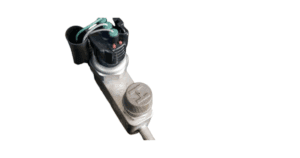 After working on several vehicle AC systems and researching common compressor issues, I’ve found that bypassing the pressure switch should generally be considered a diagnostic procedure rather than a permanent repair. It can help identify problems, but it can also cause expensive damage if misused.
This guide covers everything you need to know about bypassing an AC pressure switch, including how it works, its benefits and drawbacks, alternatives, and whether it’s the right solution for your vehicle.
What Is an AC Pressure Switch?
The AC pressure switch is a safety component designed to monitor refrigerant pressure inside your vehicle’s air conditioning system. Its primary job is to protect expensive AC components such as:
- AC compressor
- Condenser
- Evaporator
- Refrigerant lines
- Compressor clutch
When system pressure falls too low or rises too high, the pressure switch disconnects the compressor to prevent damage. Without this protection, the compressor could:
- Overheat
- Run dry
- Seize internally
- Blow seals
- Cause catastrophic system failure
Think of the pressure switch as a security guard that constantly monitors the AC system’s health.
Why Do People Bypass the AC Pressure Switch?
Most drivers consider bypassing the pressure switch when:
1. Compressor Won’t Engage
The most common symptom is:
- AC button turns on
- The fan works normally
- The compressor clutch does not engage
Many assume the pressure switch has failed.
2. Diagnostic Testing
Technicians sometimes bypass the switch briefly to determine whether:
- The compressor clutch works
- The electrical circuit is functioning
- The pressure switch is faulty
3. Temporary Emergency Cooling
Some drivers attempt a bypass, hoping to regain air conditioning during hot weather. This approach carries significant risks.
How an AC Pressure Switch Works
The switch monitors refrigerant pressure inside the AC system.
Low Pressure Protection
If the refrigerant becomes too low:
- The compressor loses lubrication
- Internal components can wear rapidly
The switch opens the circuit and prevents compressor operation.
High Pressure Protection
If pressure becomes excessive:
- Hoses can burst
- The compressor can fail
- Condenser damage may occur
The switch cuts power to prevent disaster.
AC Pressure Switch Bypass Explained
A bypass typically involves connecting the switch terminals to complete the compressor clutch circuit. This effectively tells the vehicle:
“Pressure is normal.”
Even when it may not be.
As a result:
- Compressor engages
- Clutch activates
- AC system attempts operation
However, the actual pressure conditions remain unknown.
Comparison Table: Normal Operation vs Pressure Switch Bypass
| Feature | Normal Pressure Switch | Pressure Switch Bypass |
| Compressor Protection | Excellent | None |
| Low Refrigerant Safety | Active | Disabled |
| High Pressure Safety | Active | Disabled |
| Diagnostic Capability | Limited | Useful |
| Risk of Compressor Damage | Low | High |
| Long-Term Reliability | Excellent | Poor |
| Cost Savings | High | Potentially Expensive |
| Recommended for Permanent Use | Yes | No |
| Professional Approval | Yes | Rarely |
| System Monitoring | Automatic | Disabled |
My Personal Experience with AC Pressure Switch Bypass
A few summers ago, a friend brought over his sedan because the AC compressor wasn’t engaging. The pressure switch appeared suspicious because:
- Fuses were good
- Relay tested fine
- The compressor clutch wiring looked intact
We temporarily bypassed the pressure switch for diagnostic purposes. The compressor immediately engaged. At first glance, it seemed the switch was defective.
However, after connecting manifold gauges, we discovered the real problem:
- The refrigerant charge was extremely low
- System pressure had dropped below the operating range
The pressure switch wasn’t faulty at all. It was doing exactly what it was designed to do. Had we left the bypass in place, the compressor could have suffered severe damage from inadequate lubrication.
That experience reinforced why pressure switch bypasses should only be used as a short diagnostic step.
Advantages of an AC Pressure Switch Bypass
Although not recommended as a permanent solution, bypassing does offer several advantages during troubleshooting.
Quick Diagnosis
Technicians can determine whether:
- The compressor clutch works
- Wiring is intact
- Relay functions correctly
within minutes.
Confirms Electrical Problems
A successful compressor engagement after bypassing may indicate:
- Faulty pressure switch
- Sensor issue
- Low refrigerant condition
Saves Diagnostic Time
The process can narrow down potential faults rapidly.
Disadvantages of an AC Pressure Switch Bypass
The drawbacks far outweigh the benefits for long-term use.
Compressor Damage
This is the biggest concern. Compressors rely on refrigerant and oil circulation. Low refrigerant means:
- Poor lubrication
- Increased friction
- Overheating
Seal Failure
Running under improper pressure conditions can damage:
- Shaft seals
- O-rings
- Compressor housing seals
Hose Rupture
Excessive pressure may cause hoses to burst unexpectedly.
Expensive Repairs
A simple refrigerant leak can become:
- Compressor replacement
- Condenser replacement
- System flushing
- Full recharge
costing hundreds or thousands of dollars.
Common Signs of a Faulty AC Pressure Switch
A failed switch can exhibit several symptoms.
Compressor Doesn’t Engage
The most common warning sign.
Intermittent Cooling
AC may work occasionally.
Erratic Compressor Cycling
The clutch turns on and off repeatedly.
AC Warning Codes
Modern vehicles may store diagnostic trouble codes.
Inconsistent Cabin Temperatures
Cooling performance varies unexpectedly.
Diagnosing Before Bypassing
Always perform these checks first.
Check Refrigerant Level
Low refrigerant is the leading cause of pressure switch activation.
Inspect AC Fuses
A blown fuse may mimic pressure switch failure.
Test AC Relay
Relays fail surprisingly often.
Check Compressor Clutch Voltage
Verify electrical power reaches the clutch.
Scan for Error Codes
Modern vehicles provide valuable diagnostic information.
Safer Alternatives to Bypassing
These options are far safer than disabling protection systems.
Replace the Pressure Switch
If testing confirms switch failure, replacement is usually inexpensive. Benefits include:
- Full safety protection
- Reliable operation
- Long-term durability
Repair Refrigerant Leaks
Common leak points include:
- Schrader valves
- Condenser
- Compressor seals
- Evaporator
Recharge the AC System
A properly charged system often resolves engagement issues.
Professional Diagnosis
Many AC problems require pressure gauges and specialized tools.
Comparison Table: Bypass vs Replace the Pressure Switch
| Factor | Pressure Switch Bypass | Pressure Switch Replacement |
| Initial Cost | Very Low | Low |
| Safety | Poor | Excellent |
| Compressor Protection | None | Full |
| Reliability | Temporary | Long-Term |
| Professional Recommendation | Rare | Strong |
| Risk of Damage | High | Minimal |
| Legal Compliance | Questionable | Compliant |
| System Efficiency | Reduced | Optimal |
| Warranty Protection | May Void | Maintained |
| Long-Term Value | Poor | Excellent |
Can Bypassing Damage the Compressor?
Absolutely.
The pressure switch exists specifically to prevent compressor damage.
Possible consequences include:
Compressor Seizure
Internal components lock up.
Clutch Failure
Excessive heat destroys clutch components.
Bearing Wear
Lack of lubrication accelerates wear.
Internal Contamination
Metal particles spread throughout the system.
Once contamination occurs, repairs become significantly more expensive.
Is Pressure Switch Failure Common?
Pressure switches can fail, but they are not usually the most common AC failure point. More frequent issues include:
- Refrigerant leaks
- Compressor clutch problems
- Relay failure
- Electrical wiring damage
- Condenser issues
This is why replacing the switch without proper diagnosis can waste money.
Understanding Low-Pressure vs. High-Pressure Switches
Many vehicles use two pressure protection systems.
Low Pressure Switch
Protects against:
- Refrigerant loss
- Compressor starvation
High Pressure Switch
Protects against:
- Overheating
- Excessive system pressure
- Hose damage
Some vehicles combine these functions into a single pressure transducer. Bypassing either type removes critical safety protection.
Cost Analysis
Let’s compare potential costs.
| Repair Option | Estimated Cost |
| Pressure Switch Replacement | $30–$150 |
| AC Recharge | $100–$300 |
| Leak Repair | $150–$800 |
| Compressor Replacement | $700–$2,000+ |
| Full AC System Repair | $1,000–$4,000+ |
Attempting to save a small amount by bypassing can result in major repair expenses later.
Buyer’s Guide: Choosing a Replacement AC Pressure Switch
If the diagnosis confirms switch failure, selecting the right replacement matters.
OEM vs Aftermarket
OEM
Pros:
- Exact fit
- Factory specifications
- Reliable performance
Cons:
- Higher price
Aftermarket
Pros:
- Lower cost
- Wide availability
Cons:
- Quality varies significantly
Compatibility
Always verify:
- Vehicle year
- Make
- Model
- Engine size
Even similar vehicles may use different switches.
Brand Reputation
Look for manufacturers known for:
- Automotive sensors
- HVAC components
- Electrical reliability
Avoid ultra-cheap generic parts.
Warranty
A good warranty often reflects manufacturing confidence. Look for:
- One-year warranty minimum
- Established supplier support
Connector Quality
Poor connector construction causes:
- Corrosion
- Loose contacts
- Intermittent failures
Inspect connector design carefully.
Best Practices When Troubleshooting AC Systems
Follow these recommendations:
Use Manifold Gauges
Pressure readings tell the real story.
Avoid Guessing
Random part replacement wastes money.
Check for Leaks First
Many AC issues originate from refrigerant loss.
Use UV Dye
Helpful for locating difficult leaks.
Verify Electrical Inputs
Confirm voltage before replacing components.
Who Should Consider a Pressure Switch Bypass?
Very few people. Appropriate situations include:
- Professional diagnostics
- Short-term testing
- Electrical troubleshooting
Not recommended for:
- Daily driving
- Permanent repair
- Long-distance travel
- Hot-weather operation
Read More: How To Drain a Car Fuel Tank
FAQs: Car AC Pressure Switch Bypass
Can I permanently bypass my car’s AC pressure switch?
No. Permanent bypassing removes essential safety protections and can lead to compressor failure, seal damage, and costly repairs.
Will my AC work after bypassing the pressure switch?
It may temporarily work if the compressor and electrical system are functional. However, underlying issues remain unresolved.
Is a pressure switch bypass safe?
Only as a brief diagnostic procedure. It is not considered safe for regular operation.
How do I know if my AC pressure switch is bad?
Testing with pressure gauges, multimeters, and diagnostic equipment is the most reliable method. Similar symptoms can also be caused by low refrigerant or electrical faults.
What happens if the refrigerant is low?
The pressure switch disables compressor operation to prevent damage caused by inadequate lubrication.
How much does it cost to replace an AC pressure switch?
Most replacements range from $30 to $150 for parts, with additional labor costs depending on vehicle type.
Can low refrigerant mimic a bad pressure switch?
Yes. In fact, low refrigerant is one of the most common reasons the switch prevents compressor engagement.
Should I replace the pressure switch or bypass it?
Replacement is almost always the better choice if the switch is confirmed defective.
Can a bad pressure switch cause warm air?
Yes. The compressor may not engage, preventing cooling.
Is replacing a pressure switch difficult?
On many vehicles, it’s a relatively straightforward repair, though refrigerant handling may require professional service depending on system design.
Final Verdict
The car AC pressure switch is a vital safety component that protects your air conditioning system from low-pressure and high-pressure damage. While bypassing the switch can be useful during troubleshooting, it should never be viewed as a permanent fix.
In my experience, most cases that appear to be pressure switch failures are actually caused by low refrigerant levels, leaks, relay issues, or compressor-related problems. A temporary bypass may help identify the source of the issue, but leaving the system bypassed exposes the compressor to potentially catastrophic damage.
The smarter investment is diagnosing the root cause and repairing it correctly. Whether that means replacing a faulty pressure switch, repairing a refrigerant leak, or servicing the compressor, proper repairs almost always cost less than recovering from a failed AC system.