If you’ve ever started your car and heard a deep growl or worse, a painfully roar you’ve already experienced what a car muffler does (or what happens when it fails). A car muffler is a key part of your vehicle’s exhaust system.
Its main job? Reduce engine noise before exhaust gases exit the tailpipe. But that’s not all. A good muffler also improves sound quality, controls backpressure, and can even affect performance and fuel efficiency.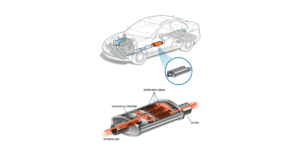 After dealing with a rusted-out muffler on my daily driver and later upgrading to a performance setup, I realized just how important this simple-looking metal canister really is.
In this guide, I’ll break everything down in plain English, how mufflers work, the different types, what they cost, how to choose one, and what I’ve personally learned along the way.
Let’s dive in.
What Is a Car Muffler?
A car muffler (sometimes called a silencer in some regions) is part of your car’s exhaust system, which also includes components like the:
- Exhaust manifold
- Catalytic converter
- Resonator
- Tailpipe
The muffler is usually located toward the rear of the vehicle, right before the tailpipe. Its job is simple in theory:
Take the loud, explosive sound waves from the engine and cancel or dampen them before they exit the vehicle. Every time your engine burns fuel, tiny explosions occur inside the cylinders.
These explosions create high-pressure sound waves that travel through the exhaust system. Without a muffler, your car would sound like a race car or a lawnmower on steroids.
How Does a Car Muffler Work?
Let’s simplify it. When exhaust gases leave the engine, they enter the muffler. Inside, there’s a series of chambers, perforated tubes, and sometimes sound-absorbing materials like fiberglass.
These components:
- Redirect sound waves
- Cause sound waves to cancel each other out
- Absorb certain frequencies
This process reduces noise dramatically before gases exit the tailpipe. There are three main sound-control methods used inside mufflers:
- Reflection – Sound waves bounce off internal walls and cancel out.
- Absorption – Sound-deadening materials reduce high-frequency noise.
- Interference – Opposing sound waves neutralize each other.
Think of it like noise-canceling headphones but for your car.
Types of Car Mufflers (Comparison Table)
Not all mufflers are built the same. Here’s a quick comparison to help you understand the options.
| Muffler Type | Sound Level | Performance Impact | Best For | Pros | Cons |
| Chambered Muffler | Moderate to Loud | Good | Muscle cars | Deep tone, durable | Can drone at highway speed |
| Turbo Muffler | Quiet to Moderate | Balanced | Daily drivers | Affordable, quiet | Less aggressive sound |
| Straight-Through | Loud | High | Performance builds | Maximum flow, sporty tone | Very loud, may fail noise laws |
| Glasspack Muffler | Loud | Moderate | Custom builds | Compact, aggressive sound | Burns out over time |
From personal experience, I once installed a straight-through muffler on a small sedan. It sounded amazing for about two weeks… until highway driving became exhausting. Lesson learned: sound matters more than you think.
Signs Your Muffler Is Failing
Mufflers don’t last forever. Rust, road salt, moisture, and time take their toll. Here are the warning signs I’ve personally seen:
1. Excessively Loud Exhaust
If your car suddenly sounds like a racecar, your muffler might have a hole or internal damage.
2. Rattling Noise
Loose internal baffles can create rattling sounds when idling.
3. Decreased Fuel Efficiency
A failing muffler can disrupt exhaust flow, affecting engine efficiency.
4. Visible Rust or Holes
If you see rust flakes or holes, replacement is near.
5. Bad Smells Inside the Cabin
Exhaust leaks can let fumes into the vehicle. This is serious and needs immediate repair.
How Much Does a Muffler Cost?
Costs vary depending on:
- Vehicle type
- Muffler type
- Labor rates
- Material (aluminum vs stainless steel)
Typical Price Range:
- Budget muffler: $50–$150
- Mid-range replacement: $150–$400
- Performance muffler: $300–$800+
- Labor: $100–$300
If the entire exhaust system needs replacement, costs can rise significantly. When mine rusted out, I paid about $350 total installed, worth it for the quiet ride.
Buyer’s Guide: How to Choose the Right Car Muffler
Buying a muffler isn’t just about picking the loudest one. Here’s what I recommend considering:
1. Your Driving Style
- Daily commuter? → Go with a turbo or OEM-style muffler
- Weekend performance build? → Consider straight-through
- Muscle car lover? → Chambered muffler
2. Sound Preference
Ask yourself:
- Do I want quiet and comfortable?
- Deep and throaty?
- Loud and aggressive?
Remember: What sounds cool for 10 minutes might not feel cool after 3 hours on the highway.
3. Local Noise Laws
Many cities and states have noise restrictions. Excessively loud mufflers can lead to fines or failed inspections.
4. Material Quality
- Aluminized steel – Affordable, moderate lifespan
- Stainless steel – More expensive, lasts much longer
If you live in areas with heavy rain or road salt, stainless steel is worth the investment.
5. Vehicle Compatibility
Not every muffler fits every vehicle. Always check:
- Inlet/outlet diameter
- Length
- Mounting configuration
My Personal Experience With Mufflers
A few years ago, I ignored a small rattling noise coming from the rear of my car. I thought it was just road debris. Two months later? The muffler literally split open from rust.
The sound was embarrassing, like a broken motorcycle. I couldn’t drive without people staring. When I replaced it, I chose a mid-range turbo muffler instead of stock. The difference was immediate:
- Quieter ride
- Slightly smoother acceleration
- No more annoying drone
That experience taught me one big thing: A muffler isn’t just about noise; it affects comfort, drive feel, and even resale value.
Does a Muffler Affect Performance?
Short answer: Yes, but not dramatically for most drivers. Here’s how:
- Too restrictive → Reduced horsepower
- Too open → Reduced backpressure (can hurt low-end torque in some engines)
Performance mufflers improve airflow, especially in modified engines. But on a stock daily driver? Gains are usually small.
Muffler vs Resonator: What’s the Difference?
Many people confuse the two.
| Component | Purpose |
| Muffler | Reduces overall engine noise |
| Resonator | Fine-tunes exhaust tone and eliminates specific frequencies |
Think of the resonator as the sound editor and the muffler as the volume controller.
Can You Drive Without a Muffler?
Technically, yes. Should you? Absolutely not. Reasons:
- Extremely loud
- Illegal in many areas
- Can reduce resale value
- May trigger inspection failure
- Possible exhaust leaks into the cabin
I once drove without one for 24 hours while waiting for a replacement. It was exhausting.
How Long Does a Muffler Last?
Average lifespan:
- 5–7 years (aluminized steel)
- 10+ years (stainless steel)
Factors that shorten lifespan:
- Short trips (moisture buildup)
- Road salt
- Humid climates
- Poor weld quality
Installation: DIY or Mechanic?
If you have:
- Jack stands
- Wrenches
- Penetrating oil
- Basic mechanical skills
You can install a bolt-on muffler yourself. However:
- Rusted bolts can snap
- Welding may be required
- Alignment matters
For most people, professional installation is safer.
Common Muffler Myths
Louder Means Faster
Not true. Sound doesn’t equal horsepower.
Removing the Muffler Improves Performance
On stock cars, this usually hurts drivability.
All Mufflers Are the Same
Internal design makes a big difference.
Read More: How To Fix Rear View Mirror
FAQs: What Is A Car Muffler
1. What happens if my muffler falls off?
Your car will become extremely loud and may fail inspection. Repair immediately.
2. Can a bad muffler affect fuel economy?
Yes, if it disrupts exhaust flow.
3. Is a muffler the same as a catalytic converter?
No. The catalytic converter reduces emissions; the muffler reduces noise.
4. Why is my new muffler louder than expected?
It may need break-in time, or you can choose a performance model.
5. How do I know what size muffler I need?
Measure inlet/outlet diameter and overall length.
6. Does insurance cover muffler replacement?
Usually, only damaged in an accident.
7. Can I upgrade just the muffler?
Yes, as long as it’s compatible with your exhaust system.
8. Why is my muffler rattling?
Internal baffles may be loose.
9. How much labor does muffler replacement take?
Typically 1–2 hours.
10. Is stainless steel worth it?
If you plan to keep the car long-term, yes.
Final Thoughts: Is a Car Muffler Important?
Absolutely. A muffler might seem like a simple metal tube under your car, but it plays a major role in:
- Noise control
- Driving comfort
- Legal compliance
- Exhaust performance
- Overall vehicle health
If you’re hearing strange sounds or seeing rust, don’t ignore it as I did. A small problem can turn into a loud, expensive headache quickly. Investing in the right muffler keeps your car civilized, efficient, and enjoyable to drive.