I didn’t think much about my fuel rail pressure sensor until my car started hesitating, throwing check engine codes, and randomly losing power on the highway.
It felt like a major engine issue, but surprisingly, the fix was a small and relatively affordable component: The fuel rail pressure sensor. If you’re here, chances are your car is showing similar symptoms. The good news? 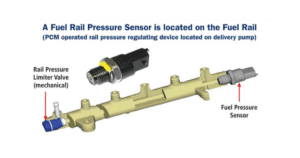 Replacing this sensor is often a manageable DIY job, even if you’re not a seasoned mechanic. In this guide, I’ll walk you through everything from symptoms and tools to step-by-step replacement instructions based on real-world experience.
Whether you’re fixing it yourself or want to understand the process before heading to a mechanic, this article has you covered.
What Is a Fuel Rail Pressure Sensor?
The fuel rail pressure sensor monitors the pressure inside the fuel rail and sends data to your car’s engine control unit (ECU).
This ensures the right amount of fuel is injected into the engine for optimal performance. When it fails, your engine may:
- Run too rich or too lean
- Stall or hesitate
- Trigger warning lights
- Lose fuel efficiency
Common Symptoms of a Bad Fuel Rail Pressure Sensor
Here’s what I personally noticed (and what you should look out for):
- Check engine light (often with codes like P0190–P0193)
- Hard starting or no start
- Engine misfires
- Poor acceleration
- Sudden drop in fuel economy
- Engine stalling
Tools You’ll Need
Before starting, gather these:
- Socket set (metric/standard)
- Wrench set
- Screwdriver
- Fuel pressure gauge (optional but helpful)
- Safety gloves & glasses
- Rag or towel (for fuel spills)
Comparison Table: DIY vs Mechanic Replacement
| Factor | DIY Replacement | Professional Mechanic |
| Cost | $50–$150 | $150–$400 |
| Time Required | 30–90 minutes | 1–2 hours |
| Skill Level | Beginner–Intermediate | Expert |
| Tools Needed | Basic | Professional tools |
| Risk Level | Moderate | Low |
| Warranty | No | Yes (usually) |
Step-by-Step: How To Change Fuel Rail Pressure Sensor
Step 1: Safety First
Turn off the engine and let it cool completely. Disconnect the negative battery terminal to avoid electrical issues.
Step 2: Relieve Fuel Pressure
This is critical. Fuel systems are pressurized, and skipping this step can be dangerous.
- Remove fuel pump fuse/relay
- Start the engine and let it stall
- Turn off ignition
Step 3: Locate the Sensor
The sensor is typically mounted on the fuel rail near the engine. It looks like a small cylinder with an electrical connector.
Step 4: Disconnect Electrical Connector
Carefully unplug the wiring harness. Avoid pulling on wires; use the connector clip.
Step 5: Remove the Sensor
Use the appropriate socket or wrench to unscrew the sensor. Expect a small amount of fuel leakage.
Step 6: Install the New Sensor
Thread the new sensor in by hand first, then tighten securely (but don’t overtighten).
Step 7: Reconnect Everything
- Reconnect the electrical connector
- Reinstall fuel pump fuse/relay
- Reconnect battery
Step 8: Test the Car
Start the engine and check for:
- Smooth idle
- No warning lights
- No fuel leaks
My Personal Experience Replacing It
When I replaced mine, the hardest part wasn’t the sensor, but relieving the fuel pressure correctly. Once that was done, the swap itself took less than 20 minutes.
What surprised me most? The immediate improvement. The engine ran smoother, acceleration felt stronger, and the check engine light disappeared after a short drive.
Common Mistakes to Avoid
- Skipping fuel pressure relief
- Overtightening the sensor
- Buying the wrong part
- Ignoring fuel leaks after installation
- Forgetting to disconnect the battery
Buyer’s Guide: Choosing the Right Fuel Rail Pressure Sensor
If you’re buying a replacement, here’s what matters most:
1. OEM vs Aftermarket
- OEM: Exact fit, higher cost
- Aftermarket: Budget-friendly, quality varies
2. Compatibility
Always match your vehicle’s make, model, and engine type.
3. Brand Reputation
Stick with trusted brands like:
- Bosch
- Denso
- Delphi
4. Material Quality
Look for durable housing and corrosion-resistant connectors.
5. Warranty
A minimum 6–12 months warranty is ideal.
How Much Does It Cost?
Typical USA-based pricing:
- Sensor part: $50–$200
- Labor: $100–$200
- Total repair: $150–$400
DIY can save you a significant amount.
When You Should NOT DIY
Avoid DIY if:
- The sensor is hard to access
- You’re uncomfortable working with fuel systems
- Your car has high-pressure direct injection (more complex)
How Long Does It Take?
- DIY: 30–90 minutes
- Mechanic: 1–2 hours
Preventing Future Issues
- Use high-quality fuel
- Replace the fuel filter regularly
- Avoid running on low fuel often
- Keep electrical connections clean
Read More: Can You Drive Your Car With A Blown Head Gasket
FAQs: How To Change Fuel Rail Pressure Sensor
1. Can I drive with a bad fuel rail pressure sensor?
Yes, but it’s risky. It can cause poor performance and potential engine damage.
2. Will a bad sensor throw a code?
Almost always. Codes like P0190–P0193 are common.
3. Do I need to reset the ECU?
Usually not. The system relearns automatically after replacement.
4. Is it hard to replace?
Not really moderate difficulty for beginners.
5. Can it cause a no-start condition?
Yes, especially in severe cases.
6. What happens if I install it incorrectly?
You may experience leaks or incorrect readings.
7. How long does the sensor last?
Typically 5–10 years.
8. Should I replace it proactively?
Only if showing symptoms or confirmed faulty.
Final Thoughts: Small Fix, Big Difference
Replacing a fuel rail pressure sensor might sound technical, but in reality, it’s one of those repairs that can dramatically improve your car’s performance without breaking the bank.
From my experience, it’s a satisfying DIY job that delivers instant results, better throttle response, smoother driving, and peace of mind.
If your car is acting up and showing fuel-related symptoms, don’t overlook this small but critical component. It might just be the simple fix you’ve been looking for.