Short answer? You can, but you absolutely shouldn’t. I’ve seen people try to “just drive it a few more days” after discovering a blown head gasket. Sometimes they make it home.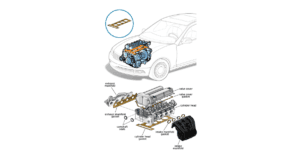 Sometimes they destroy the engine completely. In this in-depth, easy-to-read guide, we’ll cover:
- What a blown head gasket actually means
- Whether you can safely drive
- How far you might get
- Repair costs
- Warning signs
- A detailed comparison table
- A buyer’s guide for repair decisions
- Long-form technical breakdown
- FAQs
Let’s break it down clearly and honestly.
What Is a Head Gasket?
The head gasket sits between the engine block and the cylinder head. It seals:
- Combustion pressure
- Engine oil passages
- Coolant channels
When it fails (called a “blown head gasket”), these fluids mix or escape. Head gasket issues have historically appeared in certain vehicles from brands like Subaru and BMW in specific model years, although modern engines are much improved.
Can You Drive With a Blown Head Gasket?
Technically: Yes. Safely: Usually no. It depends on the severity.
Minor Leak:
- Small coolant loss
- No overheating yet
You might drive short distances carefully.
Major Failure:
- Overheating
- White smoke
- Milky oil
- Loss of power
Driving can cause:
- Warped cylinder head
- Cracked engine block
- Total engine failure
What Happens If You Keep Driving?
Here’s what can occur:
- Coolant mixes with oil
- Oil loses its lubrication ability
- Bearings wear rapidly
- Engine overheats
- Head warps
- Engine seizes
A repair that might cost $1,500 could turn into a $6,000+ engine replacement.
Blown Head Gasket Severity Comparison
| Condition Level | Symptoms | Can You Drive? | Risk Level | Likely Outcome |
| Minor Leak | Small coolant loss | Short distance only | Moderate | Repairable |
| Moderate Failure | Overheating occasionally | Not recommended | High | Expensive repair |
| Severe Failure | White smoke, overheating | No | Extreme | Engine damage |
Real-World Experience
I once had a car that started overheating occasionally. I topped up the coolant and kept driving for two weeks. Bad idea.
The head warped, athe nd repair costs doubled. What could have been a $1,500 repair became nearly $3,000. Lesson learned: Act early.
Signs You Have a Blown Head Gasket
Watch for:
- Thick white smoke from the exhaust
- Overheating engine
- Sweet smell from the exhaust
- Bubbles in the radiator
- Milky oil on the dipstick
- Rough idle
- Coolant disappearing
If yothe u see multiple signs, stop driving.
Long Technical Expansion (Complete Deep Dive)
Let’s go deeper into what’s happening mechanically.
Why Head Gaskets Fail
1. Overheating
Most common cause. Excess heat weakens gasket material.
2. Age
High-mileage engines eventually wear down.
3. Poor Cooling Maintenance
Old coolant loses corrosion protection.
Combustion Pressure Breakdown
Inside each cylinder:
- Temperatures exceed 2,000°F
- Pressure spikes rapidly
- Explosions occur thousands of times per minute
The head gasket must seal this pressure while separating oil and coolant. Once compromised, the seal weakens quickly.
What Driving Does to a Blown Gasket
When coolant leaks into cylinders:
- It burns as steam
- Leaves white smoke
- Reduces compression
- Causes misfires
When oil mixes with coolant:
- Lubrication fails
- Bearings wear
- Engine damage accelerates
How Far Can You Drive?
There’s no safe guarantee. Some drivers make it:
- 10 miles
- 50 miles
- A few days
Others:
- Overheat within minutes
It depends on:
- Leak severity
- Engine design
- Driving conditions
- Outside temperature
But it’s always a gamble.
Repair Cost Breakdown?
Head Gasket Replacement
$1,000 – $3,000
If Head Is Warped
Add $300 – $800 machining
If the engine block cracks
$4,000 – $8,000 replacement
Labor is the highest cost because the engine must be partially disassembled.
Temporary Fixes – Do They Work?
You’ve probably seen head gasket sealers in auto stores.
Sealant Additives
Pros:
- Cheap ($40–$80)
- Quick fix
Cons:
- Temporary
- Can clog the radiator
- Not reliable long-term
They may buy time, but not solve the problem.
Should You Repair or Replace the Car?
Here’s how to decide:
| Car Value | Repair Cost | Recommendation |
| $10,000+ vehicle | $2,000 repair | Fix it |
| $4,000 vehicle | $3,000 repair | Consider replacement |
| $2,000 vehicle | $2,500 repair | Likely not worth it |
Factor in:
- Overall engine condition
- Mileage
- Rust condition
- Transmission health
Buyer’s Guide: If You’re Facing a Blown Head Gasket
Before spending money, consider:
1. Get a proper diagnosis
Compression test or leak-down test.
2. Ask About Machining
The cylinder head may need resurfacing.
3. Replace Supporting Parts
- Thermostat
- Water pump
- Head bolts
- Coolant
4. Choose Quality Parts
Multi-layer steel (MLS) head gaskets are preferred.
5. Ask for Warranty
Reputable shops offer labor warranties.
When It Might Be Safe to Drive (Very Short Distance)
Only consider driving if:
- No overheating
- No severe smoke
- The engine runs normally
- Short trip (to repair shop)
Keep:
- Extra coolant
- The temperature gauge is monitored constantly
Stop immediately if overheating begins.
How to Prevent Head Gasket Failure
Prevention is much cheaper than repair.
- Maintain coolant regularly
- Fix overheating immediately
- Replace failing water pumps
- Monitor the temperature gauge
- Avoid aggressive driving when overheating
Most head gasket failures start with cooling system neglect.
Read More: What Does A Gearbox Do In A Car
FAQs: Can You Drive Your Car With A Blown Head Gasket
1. Can I drive 5 minutes with a blown head gasket?
Possibly, if not overheating, but risky.
2. Will my car start with a blown head gasket?
Often yes, unless compression loss is severe.
3. How do I confirm a blown head gasket?
Compression test, leak-down test, or coolant combustion test.
4. Is white smoke always a blown head gasket?
Usually, coolant burningi often gasket-related.
5. Can I use the head gasket seal later?
Temporary solution only.
6. Is it expensive to fix?
Yes, typically $1,000–$3,000.
7. What happens if I ignore it?
Engine failure.
8. Is replacing the engine better?
Depends on vehicle value and damage extent.
Final Verdict
Can you drive your car with a blown head gasket? Technically yes. Smart decision? No. Every mile driven increases the risk of catastrophic engine damage. If caught early, repairs are manageable.
If ignored, costs skyrocket. From personal experience and countless cases I’ve seen, the best decision is simple:
👉 Diagnose immediately
👉 Repair promptly
👉 Avoid driving unless necessary
Your engine and wallet will thank you.