If your car suddenly cranks but won’t start, struggles on hills, or randomly stalls, one part is often the hidden culprit: the fuel pump. Most drivers rarely think about it. It’s not as visible as spark plugs or as talked about as the battery.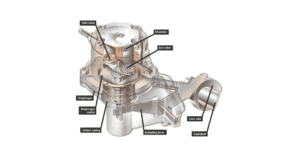 But without a working fuel pump, your car simply won’t run. I realized how important it was when a friend’s compact sedan, similar to the Toyota Corolla, refused to start one morning. The battery was fine.
The starter worked. But the engine just wouldn’t fire up. The issue? A failing fuel pump. Let’s break everything down in simple, easy-to-understand language. In this guide, you’ll learn:
- What a fuel pump is
- What it does
- How it works
- Signs of failure
- Mechanical vs electric fuel pumps (comparison table included)
- Replacement costs
- Buyer’s guide
- FAQs
What Is the Fuel Pump?
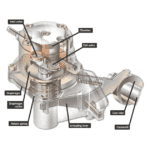
The fuel pump is a component in your vehicle that delivers fuel from the gas tank to the engine. Your engine needs a precise mix of:
- Fuel
- Air
Without fuel reaching the engine at the correct pressure, combustion can’t happen. The fuel pump ensures your engine gets a consistent and properly pressurized fuel supply.
What Does the Fuel Pump Do?
Here’s the simple explanation:
The fuel pump pushes fuel from the tank through the fuel lines and into the engine’s fuel injection system.
It must:
- Deliver the right amount of fuel
- Maintain proper fuel pressure
- Work continuously while the engine runs
Whether you drive a daily commuter like the Honda Civic or a powerful sports car like the Ford Mustang, the fuel pump plays a critical role. No fuel delivery = no engine operation.
Where Is the Fuel Pump Located?
Most modern cars have a fuel pump:
- Inside the fuel tank
- Submerged in fuel
This design helps:
- Cool the pump
- Reduce noise
- Improve efficiency
Older vehicles may have mechanical pumps mounted near the engine.
How Does a Fuel Pump Work?
Let’s simplify it step by step.
- You turn the key or push the start button.
- The fuel pump primes for a few seconds.
- It builds fuel pressure in the lines.
- Fuel injectors spray fuel into the engine.
- Combustion begins.
In fuel-injected vehicles, the pump must maintain specific pressure (usually 40–60 PSI or more).
Modern SUVs like the Mazda CX-5 rely heavily on precise fuel pressure for smooth performance.
Types of Fuel Pumps
There are two main types:
- Mechanical Fuel Pump
- Electric Fuel Pump
Here’s a clear comparison.
Comparison Table: Mechanical vs Electric Fuel Pumps
| Feature | Mechanical Fuel Pump | Electric Fuel Pump |
| Common In | Older carbureted cars | Modern fuel-injected cars |
| Location | Engine-mounted | Inside the fuel tank |
| Pressure Output | Lower | Higher |
| Efficiency | Moderate | High |
| Reliability | Durable but outdated | Highly efficient |
| Noise | Louder | Quieter |
Most vehicles built after the 1990s use electric fuel pumps.
Luxury vehicles like the BMW 3 Series depend on advanced electric fuel pumps for precise injection.
Signs of a Failing Fuel Pump
A bad fuel pump doesn’t always fail suddenly. Often, it gives warning signs.
1. Engine Cranks But Won’t Start
Very common symptom.
2. Loss of Power Under Acceleration
Especially noticeable on highways.
3. Engine Sputtering
Fuel flow may be inconsistent.
4. Stalling
The engine may shut off randomly.
5. Whining Noise from Tank
A loud humming sound can indicate wear.
6. Poor Fuel Economy
Improper fuel pressure affects combustion.
What Causes Fuel Pump Failure?
Several factors can shorten fuel pump lifespan:
- Running on low fuel frequently
- Dirty fuel
- Clogged fuel filter
- Electrical issues
- High mileage
Many drivers don’t realize that driving with near-empty tanks overheats the pump because fuel helps cool it.
How Long Does a Fuel Pump Last?
On average:
- 100,000 to 150,000 miles
Some last longer. Some fail earlier depending on driving habits. Reliable sedans like the Hyundai Elantra can easily reach high mileage if properly maintained.
Fuel Pump Replacement Cost
Here’s what you can expect:
- Part cost: $100–$400
- Labor cost: $200–$600
- Total average: $400–$1,000
Luxury vehicles may cost more due to labor complexity. Replacing a fuel pump in a model like the Mercedes-Benz C-Class may be more expensive than in economy cars.
Can You Drive With a Bad Fuel Pump?
Short answer: Not safely. A failing pump can:
- Leave you stranded
- Cause dangerous stalling
- Damage other components
If symptoms appear, it’s best to diagnose quickly.
How to Diagnose a Fuel Pump Problem
Here are common steps:
- Listen for the pump priming sound when turning the key
- Check fuel pressure with a gauge
- Scan for trouble codes
- Inspect the fuel filter
- Test electrical connections
No priming sound may indicate pump failure.
Fuel Pump vs Fuel Filter (Quick Comparison)
Many people confuse these two parts.
| Feature | Fuel Pump | Fuel Filter |
| Function | Delivers fuel | Cleans fuel |
| Location | Tank | Along the fuel line |
| Failure Impact | The engine won’t run | Reduced performance |
| Replacement Cost | High | Low |
Both are important for engine health.
Buyer’s Guide: Choosing the Right Fuel Pump
If you need to replace yours, here’s what to consider.
1. OEM vs Aftermarket
OEM:
- Perfect fit
- Higher cost
Aftermarket:
- Affordable
- Quality varies
2. Compatibility
Always match:
- Make
- Model
- Year
- Engine size
3. Complete Assembly vs Pump Only
Complete Assembly:
- Includes housing, filter, and sending unit
- Easier installation
Pump Only:
- Cheaper
- More labor-intensive
4. Brand Reputation
Reliable brands include:
- Bosch
- Delphi
- Denso
- ACDelco
Cheap, no-name pumps may fail early.
How to Extend Fuel Pump Life
Simple habits help:
- Avoid running on empty
- Replace the fuel filter regularly
- Use quality fuel
- Fix engine issues quickly
These small steps make a big difference.
Personal Experience: Why Fuel Pumps Matter
I once ignored early signs of occasional sputtering and hesitation. One day, the car stalled in traffic. The repair wasn’t cheap, and the inconvenience was worse.
Since then, I pay attention to early warning signs. Fuel delivery problems never fix themselves.
Read More: How To Read Dipstick Oil
FAQs: What Is The Fuel Pump In A Car
1. What is the main function of a fuel pump?
To deliver fuel from the tank to the engine at the correct pressure.
2. Can a bad fuel pump trigger the check engine light?
Yes, especially if the fuel pressure drops below the required levels.
3. How do I know if it’s the fuel pump or battery?
If the engine cranks normally but won’t start, the fuel pump may be the issue.
4. Does replacing a fuel pump improve performance?
If the old one was failing, yes.
5. Can I replace a fuel pump myself?
Possible, but involves working with fuel systems. Safety is critical.
6. Is fuel pump failure common?
Not extremely common, but it happens over time.
7. What happens if fuel pressure is too low?
The engine runs lean, may stall or misfire.
8. Does premium fuel prevent pump failure?
No, but clean fuel helps maintain system health.
Final Thoughts: The Heart of Fuel Delivery
The fuel pump may be hidden inside the tank, but it’s one of the most important components in your vehicle.
Without it:
- No fuel
- No combustion
- No driving
From everyday commuters like the Toyota Corolla to high-performance machines like the Ford Mustang, every gasoline vehicle depends on a reliable fuel pump.
If you notice early warning signs, don’t ignore them. A small repair today is far better than a breakdown tomorrow.