Let me ask you something. Have you ever turned your key… and the engine cranked but didn’t start? Or maybe your car stalled while driving and felt like it simply ran out of gas even though the tank wasn’t empty?
There’s a strong chance the fuel pump was involved. Most drivers never think about their fuel pump. It’s hidden, quiet, and usually reliable for years. But without it, your engine won’t run, period.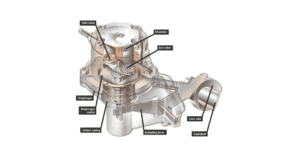 I’ve dealt with a failing fuel pump before. The first sign? Random hesitation during highway acceleration. Then longer cranking times. Eventually, one morning, the car simply refused to start.
That experience made me realize how critical this component really is. In this complete guide, we’ll cover:
- What a fuel pump is
- What it does
- How it works
- Types of fuel pumps
- Symptoms of failure
- Replacement cost
- A comparison table
- A detailed buyer’s guide
- Frequently asked questions
Let’s break it down in simple, practical terms.
What Is A Fuel Pump In A Car?
A fuel pump is a device that moves gasoline (or diesel) from the fuel tank to the engine. That’s it in simple terms. But here’s why that’s important:
Your engine needs a precise mixture of air and fuel to run. The fuel pump ensures the engine gets fuel at the correct pressure and volume. Without proper fuel delivery:
- The engine won’t start
- The engine may stall
- Performance drops
- Fuel efficiency suffers
It’s essentially the heart of your fuel system.
What Does A Fuel Pump Do?
The fuel pump:
- Pulls fuel from the tank
- Pressurizes the fuel
- Sends it through the fuel lines
- Delivers it to the injectors (or carburetor in older cars)
Modern vehicles rely on precise fuel pressure, often between 40 and 65 PSI, in gasoline engines. Too little pressure? The engine runs lean. Too much pressure? The engine runs rich. Both are bad.
Where Is The Fuel Pump Located?
In most modern cars, the fuel pump is:
- Located inside the fuel tank
- Submerged in gasoline
Older vehicles often had mechanical fuel pumps mounted on the engine. Submerged pumps are quieter and stay cool thanks to the surrounding fuel.
Types of Fuel Pumps
There are two main types:
1. Mechanical Fuel Pump
- Found in older carbureted engines
- Operates using engine vacuum or camshaft
- Simple design
- Lower pressure output
2. Electric Fuel Pump
- Used in modern fuel-injected vehicles
- Located inside the fuel tank
- Higher pressure
- Controlled electronically
Modern cars almost always use electric fuel pumps.
Fuel Pump Types Comparison Table
| Feature | Mechanical Fuel Pump | Electric Fuel Pump |
| Found In | Older vehicles | Modern vehicles |
| Location | Mounted on the engine | Inside the fuel tank |
| Pressure Output | Low | High |
| Efficiency | Moderate | High |
| Reliability | Good | Very Good |
| Common Today? | Rare | Yes |
| Replacement Cost | Lower | Moderate |
How Does A Fuel Pump Work?
Here’s what happens when you turn your key:
- You turn the ignition to ON
- The fuel pump activates for a few seconds
- It builds fuel pressure
- Injectors spray fuel
- Engine starts
You may hear a faint humming sound when you turn the key; that’s the fuel pump priming. If you don’t hear it? That could be a warning sign.
Signs Of A Bad Fuel Pump
This is where things get serious. From personal experience and real-world repairs, these are the most common symptoms:
1. Engine Cranks But Won’t Start
The engine turns over but doesn’t fire up. Often caused by no fuel pressure.
2. Loss of Power While Driving
Especially during:
- Highway speeds
- Acceleration
- Climbing hills
3. Sputtering Engine
Inconsistent fuel delivery can cause jerking.
4. Stalling
The car may stall randomly, especially when hot.
5. Whining Noise From Fuel Tank
A loud whining sound may indicate pump wear.
6. Poor Fuel Economy
Inconsistent pressure affects combustion efficiency.
Bad Fuel Pump vs Clogged Fuel Filter
Sometimes symptoms overlap. Here’s a quick comparison:
| Symptom | Bad Fuel Pump | Clogged Fuel Filter |
| Engine Won’t Start | Yes | Sometimes |
| Loss of Power | Yes | Yes |
| Whining Noise | Yes | No |
| Rough Idle | Possible | Possible |
| Sudden Stalling | Common | Less Common |
| Fix Cost | Higher | Lower |
How Long Does A Fuel Pump Last?
Most modern fuel pumps last:
- 100,000–150,000 miles
Some fail earlier due to:
- Running the tank is very low often
- Contaminated fuel
- Clogged fuel filter
- Electrical issues
How Much Does Fuel Pump Replacement Cost?
Here’s a realistic breakdown:
- Fuel pump part: $100–$500
- Labor: $300–$800
- Total: $400–$1,200
Luxury or performance vehicles can cost more. Since the pump is inside the tank, labor can be intensive.
Can You Drive With A Bad Fuel Pump?
Not safe for long. A failing pump may:
- Leave you stranded
- Stall in traffic
- Damage injectors
If symptoms appear, diagnose quickly.
Buyer’s Guide: Choosing The Right Fuel Pump
If you need to replace your fuel pump, choosing the right one matters.
1. OEM vs Aftermarket
OEM (Original Equipment Manufacturer):
- Perfect fit
- Factory reliability
- Higher price
Aftermarket:
- More affordable
- Wide availability
- Quality varies
For critical parts like fuel pumps, quality matters more than saving a few dollars.
2. Complete Fuel Pump Module vs Pump Only
Many modern cars require replacing the entire module, which includes:
- Fuel pump
- Fuel level sensor
- Filter
- Housing
Buying the complete assembly is often safer and easier.
3. Check Compatibility
Always verify:
- Year
- Make
- Model
- Engine size
Fuel pumps are not universal.
4. Warranty
Look for:
- At least 1-year warranty
- Reputable brand
- Good customer reviews
5. Consider Replacing the Fuel Filter
If the pump failed, replacing the fuel filter is smart preventive maintenance.
Why Running Low On Gas Damages Fuel Pumps
Here’s something many drivers don’t know. Fuel cools and lubricates the pump. If you frequently drive near empty:
- Pump overheats
- Internal wear increases
- Lifespan shortens
Try to keep at least 1/4 tank.
How To Test A Fuel Pump
Basic steps:
- Listen for the pump priming sound
- Check fuel pressure with a gauge
- Scan for error codes
- Inspect the relay and fuse
Never assume, always test before replacing.
Preventing Fuel Pump Failure
Here’s what I recommend:
- Avoid running on empty
- Replace the fuel filter regularly
- Use quality fuel
- Fix engine misfires quickly
- Address check engine lights promptly
Prevention saves money.
Read More: What Is The Most Expensive Car In The World
FAQs: What Is A Fuel Pump In A Car
1. What happens when a fuel pump goes bad?
The engine may not start, stall, or lose power due to a lack of fuel pressure.
2. Can a car run with a bad fuel pump?
It may run temporarily, but it is unreliable and risky.
3. How do I know if it’s the fuel pump or battery?
If the engine cranks strongly but doesn’t start, suspect the fuel pump. If it doesn’t crank, suspect the battery.
4. Is fuel pump replacement expensive?
Moderately expensive due to labor. The part itself isn’t always costly.
5. Can I replace a fuel pump myself?
It’s possible, but dropping the fuel tank can be complex and requires safety precautions.
6. Does a bad fuel pump throw a code?
Sometimes, but not always. Low fuel pressure doesn’t always trigger a code.
7. How long does replacement take?
Typically 3–6 hours, depending onthe vehicle.
8. Should I replace the fuel filter with the pump?
Yes, it’s recommended.
9. Can contaminated fuel damage a fuel pump?
Yes. Debris and water can reduce lifespan significantly.
10. What does a failing fuel pump sound like?
Often a loud whining or humming noise from the rear of the vehicle.
Final Thoughts
The fuel pump may not be visible, but it’s essential. It:
- Delivers fuel
- Maintains pressure
- Keeps your engine running smoothly
When it fails, your car won’t run simply because of that. From personal experience, catching the early warning signs saved me from being stranded on the highway. If your car is:
- Hesitating
- Stalling
- Cranking without starting
The fuel pump deserves attention. Taking care of it and preventing failure can save you hundreds (or thousands) of dollars down the road.