If there’s one car maintenance task most people ignore, it’s checking transmission oil. I used to skip it too until my car started shifting roughly and hesitating between gears. What I thought was a minor issue turned out to be low, dirty transmission fluid. Fixing it early saved me from what could’ve been a very expensive repair. The truth is, checking your transmission oil is simple, takes just a few minutes, and can literally extend the life of your car.
In this guide, I’ll walk you through exactly how to do it based on real experience, plus what to look for, mistakes to avoid, and how to choose the right fluid.
Why Transmission Oil Is So Important
Transmission oil (also called transmission fluid) does more than you might think:
- Lubricates moving parts
- Keeps the transmission cool
- Ensures smooth gear shifting
- Prevents wear and tear
Neglecting it can lead to:
- Slipping gears
- Overheating
- Complete transmission failure
Automatic vs Manual: What’s the Difference?
Before you start, know your car type:
| Transmission Type | Has Dipstick? | Checking Method |
| Automatic | Usually Yes | Dipstick method |
| Manual | No | Fill plug inspection |
| CVT | Sometimes No | Dealer or special procedure |
Step-by-Step: How To Check Transmission Oil (Automatic Cars)
This is the easiest and most common method.
Step 1: Warm Up the Engine
Start your car and let it run for about 5–10 minutes.
Why?
Transmission fluid expands when warm, giving an accurate reading.
Step 2: Park on a Level Surface
- Put the car in Park (P)
- Engage the handbrake
Step 3: Locate the Dipstick
- Usually near the engine
- Often labeled or has a colored handle
Step 4: Pull and Clean the Dipstick
- Remove it
- Wipe it clean with a cloth
Step 5: Reinsert and Pull Again
This gives you the actual reading.
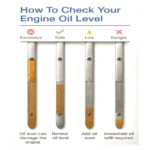
Step 6: Check Fluid Level
Look at the markings:
- “Full” / “Max” → Good
- “Low” → Needs topping up
Step 7: Inspect Fluid Condition
This is where most people miss important clues.
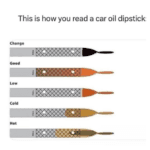
Healthy fluid:
- Bright red or pink
- Clean and clear
Bad fluid:
- Dark brown or black
- Burnt smell
- Contains debris
How To Check Transmission Oil (Manual Cars)
Manual transmissions don’t use a dipstick.
What you do:
- Locate the fill plug on the transmission
- Remove it carefully
- Fluid should be near the edge
If it doesn’t drip slightly:
→ It’s low
Comparison Table: Transmission Oil Check Methods
| Method | Vehicle Type | Difficulty | Tools Needed | Accuracy | DIY Friendly |
| Dipstick Check | Automatic | Easy | Cloth | High | Yes |
| Fill Plug Check | Manual | Medium | Wrench | High | Moderate |
| Electronic Sensor | Modern vehicles | Hard | Scanner/tool | Very High | No |
| Mechanic Inspection | All | Easy | None | Very High | Yes |
My Honest Experience
The first time I checked my transmission oil, I expected it to be complicated. It wasn’t. But what surprised me was how much information that tiny dipstick revealed. In one case:
- The fluid was dark and smelled burnt
- Gear shifting was already rough
After replacing the fluid, the car drove noticeably smoother.
Lesson learned:
Catching issues early makes a huge difference.
Signs Your Transmission Oil Needs Checking
Watch out for these:
- Rough or delayed shifting
- Grinding noises
- Burning smell
- Fluid leaks under the car
- Dashboard warning light
If you notice any of these, check immediately.
Buyer’s Guide: Choosing the Right Transmission Oil
Not all transmission fluids are the same. Using the wrong one can damage your system.
1. Always Check Your Owner’s Manual
This tells you:
- Exact fluid type
- Specifications required
2. Types of Transmission Fluid
- ATF (Automatic Transmission Fluid)
- CVT Fluid
- Manual Gear Oil
Each is designed for specific systems.
3. OEM vs Aftermarket Fluids
OEM:
- Recommended by the manufacturer
- Higher reliability
Aftermarket:
- Cheaper
- Quality varies
4. Climate Consideration
Hot climates (like South Asia):
- Require heat-resistant fluid
- Frequent checks are important
5. Don’t Mix Fluids
Mixing different types can:
- Reduce performance
- Cause damage
Tools You Might Need
- Clean cloth
- Funnel
- Gloves
- Wrench (for manual cars)
Maintenance Tips (From Real Use)
- Check fluid every 1–2 months
- Replace every 40,000–100,000 km
- Fix leaks immediately
- Never overfill
Common Mistakes to Avoid
- Checking fluid when the engine is cold
- Using the wrong fluid type
- Ignoring color and smell
- Overfilling the transmission
Deep Dive: Why Transmission Fluid Degrades
Over time, fluid breaks down due to:
- Heat
- Friction
- Contamination
This reduces:
- Lubrication ability
- Cooling efficiency
Eventually, it leads to wear and failure.
Cost Breakdown
- Fluid top-up: Low cost
- Full fluid change: Moderate
- Transmission repair: Very expensive
Takeaway: Regular checks save money.
DIY vs Professional Service
DIY:
- Checking level
- Basic top-up
Professional:
- Full flush
- Internal inspection
Read More: Car Expansion Valve Stuck Open Symptoms
FAQs: How To Check The Transmission Oil
1. How often should I check transmission oil?
Every 1–2 months or before long trips.
2. Can I check the transmission fluid cold?
Not recommended, it gives inaccurate readings.
3. What color should transmission fluid be?
Bright red or pink.
4. What if it smells burnt?
It needs replacement immediately.
5. Can low fluid damage my car?
Yes, it can cause serious transmission failure.
6. Is it okay to overfill?
No, it can cause pressure issues and damage.
7. Do manual cars use transmission fluid?
Yes, but it’s called gear oil.
8. How long does transmission fluid last?
Typically 40,000–100,000 km.
Final Thoughts
Checking your transmission oil is one of the easiest yet most important maintenance tasks you can do.
From personal experience, it’s not just about maintaining your car; it’s about avoiding expensive repairs and keeping your drive smooth.
If you remember one thing, let it be this: A quick check today can prevent a major repair tomorrow.