If your car’s air conditioning suddenly stops blowing cold air or worse, refuses to turn on altogether, the culprit might not be the compressor or refrigerant. In many cases, it’s something much simpler: the AC pressure switch.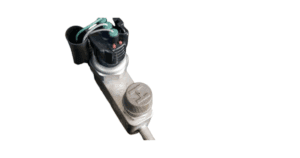 I’ve personally run into this issue on a hot afternoon when my AC quit mid-drive. After checking the basics, I grabbed a multimeter and discovered the pressure switch was faulty. The fix? Cheap. The diagnosis? Easier than most people think.
This guide will walk you through how to test a car AC pressure switch using a multimeter, even if you’re not a seasoned mechanic. We’ll also cover symptoms, tools, mistakes to avoid, and how to choose the right replacement if needed.
What Is a Car AC Pressure Switch?
The AC pressure switch is a small but critical component in your car’s air conditioning system. It monitors refrigerant pressure and ensures everything operates safely.
There are typically two types:
- Low-pressure switch – Prevents compressor operation when the refrigerant is too low
- High-pressure switch – Protects the system from excessive pressure
Think of it as a safety guard. If pressure goes outside the safe range, the switch cuts power to the compressor.
Common Symptoms of a Faulty AC Pressure Switch
Before testing, here are signs that point toward a bad switch:
- AC not turning on
- Compressor clutch not engaging
- Intermittent cooling
- AC is blowing warm air
- Cooling stops after a few minutes
These symptoms can overlap with other issues, but testing the switch helps narrow things down quickly.
Tools You’ll Need
To test your AC pressure switch, you don’t need a full workshop. Just a few basic tools:
- Digital multimeter
- Safety gloves
- Safety glasses
- Wiring diagram (optional but helpful)
- Screwdriver or wrench (if removal is needed)
How To Test a Car AC Pressure Switch With a Multimeter
Let’s get into the practical part.
Step 1: Locate the Pressure Switch
The switch is usually found:
- On the AC compressor
- On the refrigerant line
- Near the condenser
Check your vehicle manual if unsure.
Step 2: Turn Off the Engine
Always start with the engine off for safety. Disconnect the battery if you want extra protection.
Step 3: Disconnect the Electrical Connector
Carefully unplug the connector from the pressure switch. You’ll see two or three terminals depending on the type.
Step 4: Set Your Multimeter
Set your multimeter to:
- Continuity mode OR
- Resistance (Ohms)
Step 5: Test for Continuity
Place the multimeter probes on the switch terminals.
What You Should See:
- Closed circuit (0–1 ohms) → Switch is working (under correct pressure)
- Open circuit (OL or infinite) → Switch is faulty, OR pressure is out of range
Step 6: Interpret Results
Here’s the key part:
- If the system pressure is normal, but no continuity → Bad switch
- If pressure is actually low/high → Switch may be doing its job
👉 Tip: If unsure, use a manifold gauge set to verify refrigerant pressure.
Comparison Table: AC Pressure Switch Testing Methods
| Method | Accuracy | Cost | Difficulty | Best For |
| Multimeter Testing | High | Low | Easy | DIY diagnostics |
| Manifold Gauge Check | Very High | Medium | Moderate | Confirming pressure levels |
| Scan Tool Diagnosis | High | High | Easy | Modern vehicles |
| Visual Inspection | Low | Free | Easy | Quick checks |
My Personal Experience Testing an AC Pressure Switch
When I first tested a pressure switch, I expected a complicated process. But honestly, it took less than 10 minutes.
The tricky part wasn’t the testing; it was understanding whether the reading meant a bad switch or a pressure issue. That’s where most DIYers get confused.
Once I confirmed the system pressure was normal, and the switch still showed no continuity, the diagnosis was clear. I replaced it, and the AC worked instantly.
Common Mistakes to Avoid
Here are a few pitfalls I’ve seen (and made):
1. Testing Without Checking Refrigerant
A perfectly good switch may appear faulty if the pressure is actually low.
2. Using the Wrong Multimeter Setting
Always use continuity or resistance, not voltage, for this test.
3. Ignoring Safety
AC systems operate under high pressure. Avoid opening lines without proper tools.
4. Assuming All Switches Work the Same
Some vehicles use binary or trinary switches, which behave differently.
When Should You Replace the AC Pressure Switch?
Replace it if:
- It fails continuity under correct pressure
- AC compressor won’t engage
- Electrical signals are inconsistent
Good news: pressure switches are usually affordable and easy to replace.
Buyer’s Guide: Choosing the Right AC Pressure Switch
If you’ve confirmed the switch is faulty, here’s how to choose the right replacement.
1. Compatibility
Always match:
- Make and model
- Engine type
- Year
2. OEM vs Aftermarket
| Type | Pros | Cons |
| OEM | Perfect fit, reliable | More expensive |
| Aftermarket | Affordable, widely available | Quality varies |
3. Build Quality
Look for:
- Durable plastic housing
- Corrosion-resistant terminals
- Strong sealing
4. Brand Reputation
Stick to trusted automotive brands to avoid repeat failures.
5. Price Range
- Budget: $10–$25
- Mid-range: $25–$50
- Premium: $50+
Advanced Testing Tips (For Enthusiasts)
If you want to go deeper:
- Test the voltage supply to the switch
- Check wiring harness continuity
- Use a scan tool for real-time data
- Monitor compressor clutch engagement
These steps help rule out wiring issues.
Can You Bypass the AC Pressure Switch?
Technically, yes, but it’s not recommended. Bypassing the switch can:
- Damage the compressor
- Cause refrigerant leaks
- Lead to dangerous pressure buildup
Only use bypassing temporarily for diagnostic purposes.
Read More: Car Expansion Valve Stuck Open Symptoms
FAQs: How To Test Car AC Pressure Switch With Multimeter
1. Can I test an AC pressure switch without removing it?
Yes. Most tests can be done with the switch installed by disconnecting the connector.
2. What does “OL” mean on a multimeter?
It means open loop or no continuity, often indicating a faulty switch.
3. How long does it take to test the switch?
Typically 5–10 minutes.
4. Can low refrigerant cause switch failure?
Not failure,e but it can cause the switch to remain open.
5. Do all cars have AC pressure switches?
Yes, though the design and number may vary.
6. Is it safe to replace the switch myself?
Yes, in most cases, es especially if it’s mounted on a Schrader valve (no refrigerant loss).
7. What’s the difference between binary and trinary switches?
- Binary: Controls on/off
- Trinary: Adds fan control function
8. Why does my AC work intermittently?
Could be a failing pressure switch or fluctuating refrigerant levels.
Final Thoughts
Testing a car AC pressure switch with a multimeter is one of those rare DIY tasks that’s both easy and genuinely useful. It saves you from guessing and potentially from spending hundreds on unnecessary repairs.
From personal experience, this is one of the first things I check when AC problems show up. It’s quick, cheap, and often reveals the issue immediately.
If your AC isn’t behaving, don’t jump straight to expensive fixes. Grab a multimeter and start here; you might be surprised how simple the solution really is.