When your car’s air conditioning suddenly stops blowing cold air, the culprit might not be the AC compressor itself. In many cases, a worn or damaged AC belt is the real problem.
The AC belt, often called the serpentine belt or drive belt in modern vehicles, powers the air conditioning compressor and several other engine accessories. I recently helped a friend diagnose an AC problem that initially looked expensive.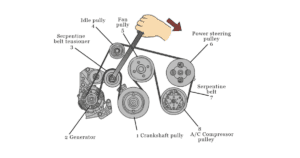 After a quick inspection, we discovered the AC belt was cracked and slipping. Instead of spending hundreds on compressor repairs, a simple belt replacement solved the issue.
If you’re wondering about car AC belt replacement cost, the answer depends on your vehicle type, labor rates, and whether additional components need replacement. In this guide, we’ll cover everything you need to know before visiting a repair shop.
Average Car AC Belt Replacement Cost
Most drivers can expect to pay between $80 and $350 for a complete AC belt replacement.
Cost Breakdown
| Replacement Type | Parts Cost | Labor Cost | Total Cost |
| Basic AC Belt Replacement | $20-$60 | $60-$120 | $80-$180 |
| Serpentine Belt Replacement | $25-$80 | $80-$150 | $105-$230 |
| Belt with Tensioner Replacement | $80-$200 | $100-$200 | $180-$400 |
| Luxury Vehicle Replacement | $50-$150 | $150-$400 | $200-$550 |
The exact amount depends on the accessibility of the belt and whether other components must be removed during service.
What Does an AC Belt Do?
The AC belt transfers engine power to the air conditioning compressor. Without it, the compressor cannot operate, and your AC system won’t produce cold air. In many modern vehicles, a single serpentine belt powers:
- Air conditioning compressor
- Alternator
- Water pump
- Power steering pump
- Cooling fan
- Other engine accessories
Because one belt handles multiple functions, replacing it promptly is important when wear appears.
Signs Your AC Belt Needs Replacement
Recognizing early warning signs can save you from roadside breakdowns and expensive repairs.
1. Squealing Noise
A high-pitched squeal from the engine bay often indicates belt wear or slippage. Common causes include:
- Cracked belt surface
- Worn grooves
- Improper tension
- Moisture contamination
2. Weak Air Conditioning
If your AC isn’t cooling effectively, a slipping belt may prevent the compressor from operating correctly.
3. Visible Cracks
Inspect the belt regularly. Small cracks often indicate aging rubber.
4. Fraying Edges
Frayed edges suggest misalignment or excessive wear.
5. Burning Rubber Smell
A slipping belt generates heat and may produce a noticeable burning odor.
6. Complete Belt Failure
If the belt breaks entirely, multiple vehicle systems may stop functioning.
Factors Affecting Car AC Belt Replacement Cost
Several variables influence the final repair bill.
Vehicle Make and Model
Compact cars generally cost less to repair than luxury vehicles. Examples:
| Vehicle Type | Average Cost |
| Economy Car | $80-$150 |
| Mid-Size Sedan | $120-$220 |
| SUV | $150-$300 |
| Luxury Vehicle | $250-$550 |
Luxury models often require specialized tools and longer labor times.
Labor Rates
Repair shop labor rates vary significantly.
Typical rates include:
- Independent Shop: $70-$150/hour
- Dealership: $120-$250/hour
Choosing an experienced independent mechanic can reduce overall costs.
Belt Type
Different vehicles use different belt systems.
V-Belts
Older vehicles often use separate V-belts.
Advantages:
- Lower replacement cost
- Simple installation
Serpentine Belts
Modern vehicles typically use serpentine belts.
Advantages:
- Improved efficiency
- Fewer components
- Longer lifespan
Additional Component Replacement
Sometimes replacing the belt alone isn’t enough. Other parts that may require replacement include:
- Belt tensioner
- Idler pulley
- AC compressor pulley
- Belt tension spring
Replacing worn components simultaneously often saves money long-term.
DIY vs Professional Replacement
Many car owners wonder whether replacing an AC belt themselves is worthwhile.
DIY Replacement
Pros
- Saves labor costs
- Educational experience
- Immediate repair
Cons
- Special tools may be required
- Incorrect installation can cause damage
- Modern vehicles have complex belt routing
DIY costs typically range from:
- Parts: $20-$80
- Tools: $20-$100
Total DIY investment often falls between $40 and $180.
Professional Replacement
Pros
- Correct installation
- Warranty coverage
- Fast turnaround
Cons
- Higher overall cost
For most drivers, professional replacement remains the safest choice.
How Long Does an AC Belt Last?
Most manufacturers recommend inspection around 50,000 miles. Typical lifespan:
| Belt Type | Expected Lifespan |
| Traditional V-Belt | 30,000-50,000 miles |
| Modern Serpentine Belt | 60,000-100,000 miles |
Driving conditions can significantly impact longevity.
Factors that shorten belt life include:
- Extreme temperatures
- Oil contamination
- Heavy stop-and-go traffic
- Poor maintenance
What Happens If You Ignore a Bad AC Belt?
Many drivers postpone replacement because the AC still works occasionally. Unfortunately, this can lead to larger problems. Potential consequences include:
Compressor Damage
A slipping belt creates excessive heat and strain.
Alternator Failure
If the serpentine belt powers the alternator, charging issues may occur.
Engine Overheating
Some belts also drive the water pump.
Unexpected Breakdown
A snapped belt can leave you stranded.
Replacing a belt early is far less expensive than repairing secondary damage.
Step-by-Step Overview of Belt Replacement
Professional technicians typically follow these steps:
- Inspect belt condition
- Check tensioner operation
- Locate the routing diagram
- Release belt tension
- Remove the old belt
- Install a new belt
- Verify alignment
- Test operation
The process usually takes 30 minutes to 2 hours, depending on vehicle design.
Is AC Belt Replacement Worth It?
Absolutely. Considering the relatively low repair cost, replacing a worn belt offers excellent value. Benefits include:
- Reliable air conditioning
- Improved engine accessory performance
- Reduced risk of breakdown
- Protection of expensive components
A small repair today can prevent a much larger repair bill tomorrow.
Buyer’s Guide: Choosing the Right Replacement AC Belt
Before purchasing a replacement belt, consider the following factors.
OEM vs Aftermarket
OEM Belts
Advantages:
- Exact fit
- Manufacturer-approved materials
- Consistent performance
Disadvantages:
- Higher price
Aftermarket Belts
Advantages:
- Lower cost
- Wide availability
Disadvantages:
- Quality varies by manufacturer
Material Quality
Look for belts made from:
- EPDM rubber
- High-strength synthetic compounds
These materials resist heat and cracking better than traditional rubber.
Warranty Coverage
Quality belts often include warranties ranging from one year to lifetime coverage. Always review warranty details before purchasing.
Brand Reputation
Trusted belt manufacturers generally provide superior durability and fitment. Research customer reviews before buying.
Vehicle Compatibility
Always verify:
- Engine size
- Model year
- Trim level
- Belt routing requirements
Incorrect sizing can lead to premature failure.
My Personal Take on AC Belt Replacement
After years of dealing with vehicle maintenance, I’ve learned that belts are among the most overlooked components on a car.
Drivers often focus on major repairs while ignoring inexpensive maintenance items that prevent bigger problems. Every time I’ve replaced a worn belt proactively, I’ve avoided far more expensive repairs later.
If your belt shows visible cracking, squealing, or slipping, replacing it sooner rather than later is one of the smartest maintenance decisions you can make.
The cost is relatively low, installation is straightforward for most professionals, and the peace of mind is worth every dollar.
Read More: Car Sensor Repair Cost
FAQs: Car AC Belt Replacement Cost
How much does it cost to replace an AC belt?
Most drivers pay between $80 and $350, depending on vehicle type and labor costs.
Can I drive with a bad AC belt?
Short distances may be possible, but driving with a damaged belt risks complete failure and additional engine damage.
How long does an AC belt replacement take?
Most repairs take between 30 minutes and 2 hours.
Does a bad AC belt affect fuel economy?
Yes. A slipping belt can reduce accessory efficiency and slightly impact fuel economy.
Can a bad AC belt cause the AC to stop working?
Yes. If the belt slips or breaks, the compressor cannot operate properly.
Should I replace the tensioner at the same time?
If the tensioner shows wear or excessive movement, replacing it alongside the belt is often recommended.
Is belt replacement covered under warranty?
Factory warranties may cover defects, but normal wear-and-tear replacement is typically considered maintenance.
How often should I inspect the AC belt?
Inspect belts at every oil change or at least every 6 months.
What’s the difference between an AC belt and a serpentine belt?
Older vehicles may use a dedicated AC belt. Modern vehicles usually use a serpentine belt that powers multiple accessories.
Can a broken AC belt damage the engine?
Potentially yes. If the belt also drives the water pump, engine overheating can occur quickly.
Final Thoughts
Car AC belt replacement is one of the most affordable and beneficial maintenance services available. Most repairs cost under a few hundred dollars, yet they help prevent expensive damage to critical vehicle systems.
If you’ve noticed squealing noises, weak air conditioning, visible cracks, or fraying, don’t wait for complete failure. Replacing the belt promptly can restore performance, improve reliability, and save money in the long run.
Whether you choose a DIY approach or hire a professional mechanic, addressing belt issues early is always the smarter investment.