Nothing ruins a summer drive faster than an air conditioning system that suddenly stops blowing cold air. I learned this firsthand during a long road trip when my vehicle’s AC slowly transformed from icy cold to barely cool.
At first, I assumed it simply needed a refrigerant recharge. However, after hearing unusual noises and noticing inconsistent cooling, I discovered the real culprit: a failing AC compressor.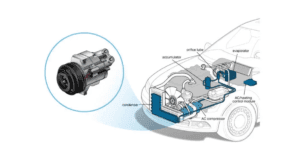 The AC compressor is often called the heart of a vehicle’s air conditioning system. It circulates refrigerant through the AC components and maintains the pressure necessary for cooling. When it begins to fail, the entire system suffers.
Unfortunately, many drivers ignore early warning signs until the compressor completely stops working, leading to more expensive repairs. Understanding the symptoms of a bad AC compressor can help you identify problems early, save money, and avoid uncomfortable driving conditions.
In this comprehensive guide, I’ll explain the most common signs of AC compressor failure, compare symptoms and causes, discuss repair options, and provide a detailed buyer’s guide for replacement compressors.
What Does a Car AC Compressor Do?
Before discussing the warning signs, it’s important to understand the compressor’s role.
The AC compressor:
- Compresses refrigerant gas
- Increases refrigerant pressure
- Circulates refrigerant through the system
- Enables heat removal from the cabin
- Works with the condenser and evaporator to produce cold air
Without a properly functioning compressor, the air conditioning system cannot cool the vehicle effectively.
Top Signs Of A Bad Car AC Compressor
1. Warm Air Coming From Vents
The most obvious sign is warm air blowing from the dashboard vents.
When the compressor cannot properly compress refrigerant, cooling performance decreases dramatically. The AC may still run, but the air feels lukewarm instead of cold.
You might notice:
- Reduced cooling
- Longer cabin cooling times
- Warm air during idle
- Inconsistent temperature output
This symptom often appears before total compressor failure.
2. Strange Noises When AC Is Running
A healthy compressor operates quietly. If you hear unusual sounds when the AC is switched on, compressor damage may be developing. Common noises include:
- Grinding
- Squealing
- Rattling
- Clicking
- Metal-on-metal sounds
Internal bearings, pistons, or clutch components may be worn or damaged. Ignoring these noises can result in complete compressor seizure.
3. Compressor Clutch Not Engaging
The compressor clutch connects and disconnects the compressor operation. When the clutch fails, the compressor cannot function properly. Symptoms include:
- AC is blowing warm air
- Compressor pulley spinning, but clutch not engaging
- Intermittent cooling
- AC stops working completely
Sometimes only the clutch needs replacement, while other cases require a full compressor replacement.
4. Refrigerant Leaks
Compressors contain multiple seals that can wear out over time. Damaged seals may allow refrigerant to escape. Signs of refrigerant leakage include:
- Reduced cooling performance
- Oily residue nearthe compressor
- Visible leaks around AC lines
- Frequent need for refrigerant recharge
Low refrigerant levels force the compressor to work harder and accelerate wear.
5. AC System Frequently Cycles On And Off
Short cycling occurs when the compressor repeatedly starts and stops. This may indicate:
- Internal compressor damage
- Refrigerant imbalance
- Pressure switch problems
- Clutch issues
Frequent cycling reduces efficiency and places extra stress on the system.
6. Frozen AC Components
Many people associate freezing with strong cooling, but excessive ice formation often signals a problem. Possible causes include:
- Compressor malfunction
- Low refrigerant
- Airflow restrictions
- Faulty expansion valve
Ice buildup can eventually damage multiple AC components.
7. Increased Fuel Consumption
A failing compressor may require more engine power. Drivers sometimes notice:
- Reduced fuel economy
- Engine strain
- Poor performance during acceleration
Although not always obvious, compressor inefficiency can increase overall vehicle operating costs.
8. Dashboard Warning Lights
Modern vehicles often monitor AC system operation. You may see:
- Check Engine Light
- HVAC warning indicators
- Electronic climate control errors
Diagnostic scanning can reveal compressor-related fault codes.
Comparison Table: Common Symptoms and Likely Causes
| Symptom | Possible Cause | Severity | Immediate Attention Needed |
| Warm air from vents | Compressor failure | High | Yes |
| Grinding noises | Internal damage | High | Yes |
| Clutch not engaging | Clutch failure | Medium-High | Yes |
| Refrigerant leaks | Seal failure | Medium | Yes |
| Short cycling | Pressure imbalance | Medium | Recommended |
| Frozen components | Refrigerant issues | Medium | Recommended |
| Poor fuel economy | Compressor drag | Medium | Recommended |
| Warning lights | System malfunction | Medium | Yes |
Why AC Compressors Fail
Several factors contribute to compressor failure.
Lack Of Lubrication
Compressors rely on oil circulation through the refrigerant. Insufficient lubrication causes:
- Bearing wear
- Internal friction
- Overheating
Contaminated Refrigerant
Debris can enter the system due to:
- Component wear
- Moisture intrusion
- Poor maintenance
Contaminants damage sensitive compressor parts.
Electrical Problems
Faulty electrical components may include:
- Relays
- Wiring
- Fuses
- Pressure sensors
Electrical issues can prevent compressor operation.
Excessive Heat
High operating temperatures accelerate wear. Common causes include:
- Engine overheating
- Blocked condenser
- Poor airflow
Age And Wear
Most compressors eventually fail due to normal wear. Average lifespan:
- 8–12 years
- 80,000–150,000 miles
Driving conditions significantly affect longevity.
My Personal Experience With Compressor Failure
Several years ago, my sedan began producing a faint clicking sound whenever I activated the AC. Initially, cooling performance seemed normal, so I ignored it.
Within weeks:
- Cooling became inconsistent
- Air temperature fluctuated
- The noise worsened
Eventually, the compressor clutch failed. The repair shop explained that replacing the clutch earlier would have been much cheaper than replacing the entire compressor assembly.
That experience taught me an important lesson: unusual AC noises should never be ignored.
Can You Drive With A Bad AC Compressor?
Technically, yes. However, it’s not recommended. Potential risks include:
- Complete AC failure
- Serpentine belt damage
- Compressor seizure
- Additional component damage
- Higher repair costs
If the compressor locks up, the drive belt may fail unexpectedly.
Repair Vs Replacement
Not every compressor problem requires replacement.
Situations Where Repair May Work
- Clutch replacement
- Electrical repairs
- Relay replacement
- Minor seal repairs
Situations Requiring Replacement
- Internal compressor damage
- Metal contamination
- Seized compressor
- Severe bearing failure
Professional diagnosis is essential.
Comparison Table: Repair vs Replacement
| Factor | Repair | Replacement |
| Initial Cost | Lower | Higher |
| Long-Term Reliability | Moderate | High |
| Labor Required | Moderate | High |
| Warranty Coverage | Limited | Better |
| Suitable For Minor Issues | Yes | Not Necessary |
| Suitable For Severe Damage | No | Yes |
| Expected Lifespan | Shorter | Longer |
AC Compressor Replacement Costs
Costs vary by vehicle type. Average estimates:
| Vehicle Type | Typical Cost Range |
| Compact Cars | $500-$1,000 |
| Sedans | $700-$1,500 |
| SUVs | $900-$2,000 |
| Luxury Vehicles | $1,500-$4,000+ |
Labor often represents a significant portion of the expense.
How Mechanics Diagnose Compressor Problems
Professional diagnosis usually includes:
Visual Inspection
Checking for:
- Oil residue
- Leaks
- Physical damage
Pressure Testing
Technicians measure:
- High-side pressure
- Low-side pressure
Abnormal readings often indicate compressor issues.
Electrical Testing
Testing includes:
- Voltage supply
- Clutch engagement
- Relay function
Noise Analysis
Experienced technicians can often identify internal failures simply by listening.
Preventing AC Compressor Failure
Preventive maintenance significantly extends compressor life.
Run The AC Regularly
Even during winter months. This helps:
- Lubricate seals
- Prevent drying
- Maintain oil circulation
Replace Cabin Air Filters
Restricted airflow increases system strain. Follow manufacturer replacement intervals.
Fix Refrigerant Leaks Promptly
Operating with low refrigerant accelerates compressor wear. Address leaks immediately.
Schedule Regular AC Inspections
Annual inspections can detect:
- Minor leaks
- Pressure abnormalities
- Early wear indicators
Keep the condenser clean
Remove:
- Dirt
- Leaves
- Road debris
Improved airflow reduces operating temperatures.
Buyer’s Guide: Choosing A Replacement AC Compressor
Selecting the right compressor can determine long-term reliability.
Choose OEM When Possible
OEM compressors generally offer:
- Better compatibility
- Consistent performance
- Easier installation
They may cost more initially but often provide better durability.
Consider Reputable Aftermarket Brands
Quality aftermarket options can save money without sacrificing reliability. Look for:
- Established manufacturers
- Strong warranties
- Positive customer reviews
Verify Compatibility
Always confirm:
- Vehicle year
- Make
- Model
- Engine size
Even minor differences can affect fitment.
Check Warranty Coverage
Good warranties indicate manufacturer confidence. Recommended coverage:
- At least 12 months
- Preferably 24 months or longer
Buy Complete Kits
Complete kits often include:
- Compressor
- O-rings
- Receiver-drier
- Expansion valve
Replacing related components improves system reliability.
Avoid Extremely Cheap Units
Ultra-low-cost compressors often use inferior materials. Potential issues include:
- Premature failure
- Poor cooling performance
- Warranty complications
Quality matters.
When To Replace Related Components
Many technicians recommend replacing:
- Receiver-drier
- Expansion valve
- O-rings
- Refrigerant oil
During compressor replacement. This helps:
- Prevent contamination
- Improve reliability
- Protect warranty coverage
Signs You Need Immediate Service
Seek professional help immediately if:
- Compressor seizes
- Loud grinding occurs
- Smoke appears
- Belt damage develops
- Cooling stops suddenly
Prompt action can prevent extensive repairs.
Read More: Car Sensor Repair Cost
FAQs: Signs of a Bad Car AC Compressor
What is the most common sign of a bad AC compressor?
Warm air blowing from the vents is usually the first and most noticeable symptom.
Can a bad compressor damage other AC components?
Yes. Internal compressor failure can spread metal debris throughout the system.
How long does a car AC compressor last?
Most compressors last between 8 and 12 years, depending on maintenance and driving conditions.
Is it expensive to replace an AC compressor?
Replacement costs typically range from $500 to over $4,000 depending on vehicle type and labor rates.
Can low refrigerant mimic compressor failure?
Yes. Low refrigerant often causes poor cooling performance similar to compressor issues.
Should I replace only the clutch?
If the compressor itself is healthy, clutch replacement may be sufficient.
Can I drive with a failing compressor?
You can, but continued operation may cause further damage and higher repair costs.
What causes compressor seizure?
Lack of lubrication, contamination, overheating, and severe wear are common causes.
Does compressor failure affect fuel economy?
Yes. A failing compressor may create additional engine load and reduce fuel efficiency.
How can I prevent compressor problems?
Run the AC regularly, repair leaks promptly, replace filters, and schedule routine inspections.
Final Verdict
A failing car AC compressor rarely stops working without warning. Warm air, unusual noises, clutch problems, refrigerant leaks, and frequent cycling are often early indicators that something is wrong.
From personal experience, ignoring these symptoms can quickly transform a minor repair into a major expense. Early diagnosis is almost always cheaper than waiting for complete failure.
Regular maintenance, prompt leak repairs, and paying attention to unusual AC behavior can significantly extend compressor life. If replacement becomes necessary, investing in a quality compressor and replacing supporting components often provides the best long-term value.
Understanding the signs of a bad car AC compressor empowers drivers to act quickly, stay comfortable, and avoid costly breakdowns.