A rear-view mirror is one of the most important safety components in any vehicle. It provides visibility behind your car, helps you change lanes safely, and improves overall driving awareness.
Unfortunately, rear-view mirrors can become loose, damaged, cracked, or completely detached due to age, accidents, temperature changes, or improper installation.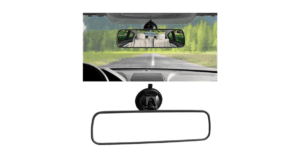 The good news is that replacing a rear-view mirror is often much easier than most people think. In many cases, you can complete the job in less than an hour using basic tools and a replacement mirror kit.
I’ve replaced several rear-view mirrors over the years, from standard manual mirrors to auto-dimming models. While the process may seem intimidating at first, it is actually one of the simpler automotive repairs a vehicle owner can tackle.
This guide covers everything you need to know about replacing a rear-view mirror, including tools, costs, installation steps, troubleshooting tips, buying advice, and frequently asked questions.
Why Rear View Mirrors Need Replacement
Several issues can require a rear-view mirror replacement:
- Broken mirror glass
- Loose mirror mount
- Detached windshield button
- Cracked housing
- Auto-dimming failure
- Electrical malfunction
- Accident damage
- Excessive vibration while driving
Ignoring these problems can compromise safety and reduce visibility on the road.
Signs Your Rear View Mirror Needs Replacement
Watch for these warning signs:
Mirror Keeps Falling Off
This usually indicates failed adhesive or a damaged mounting button.
Excessive Vibration
A mirror that shakes constantly makes it difficult to see vehicles behind you.
Cracked Glass
Cracks distort reflections and reduce visibility.
Auto-Dimming Doesn’t Work
Modern mirrors contain electronic components that can fail over time.
Loose Adjustment Mechanism
If the mirror won’t stay in position, internal components may be worn.
Rear View Mirror Replacement Comparison Table
| Factor | DIY Replacement | Professional Replacement |
| Cost | $10–$80 | $75–$300 |
| Time Required | 20–60 Minutes | 30–90 Minutes |
| Skill Level | Beginner to Moderate | None |
| Tool Requirement | Basic Tools | Not Required |
| Risk of Mistakes | Moderate | Low |
| Warranty | Depends on the Part | Usually Included |
| Best For | Budget-Conscious Owners | Complex Installations |
Tools Needed for Rear View Mirror Replacement
Most installations require:
- Replacement rear-view mirror
- Screwdriver set
- Rear view mirror adhesive kit
- Razor blade
- Glass cleaner
- Microfiber cloth
- Safety gloves
- Marker
For advanced mirrors:
- Wire crimpers
- Electrical tape
- Trim removal tools
- Voltage tester
Understanding Rear View Mirror Types
Before replacing your mirror, identify the type installed in your vehicle.
Standard Manual Mirror
Basic mirror without electronic functions.
Advantages
- Affordable
- Easy installation
- Reliable
Disadvantages
- No glare reduction
Auto-Dimming Mirror
Uses sensors to reduce glare from headlights.
Advantages
- Improved night driving
- Greater comfort
Disadvantages
- Higher cost
- More wiring
Mirror with Integrated Features
Some mirrors include:
- Compass
- Garage door opener
- Backup camera display
- Dashcam
- Temperature display
These require additional installation steps.
Step-by-Step Guide: How To Replace A Rear View Mirror
Step 1: Purchase the Correct Replacement
Verify:
- Vehicle make
- Model
- Year
- Mounting style
- Electrical connector compatibility
An incorrect mirror may not fit properly.
Step 2: Remove the Old Mirror
Most mirrors use one of three attachment methods:
Set Screw Mount
Locate the screw underneath the mirror stem. Loosen it using:
- Allen key
- Torx driver
- Small screwdriver
Slide the mirror upward to remove it.
Twist Lock Mount
- Rotate the mirror base approximately 90 degrees.
- Carefully remove it from the windshield button.
Adhesive Mount
If detached already, proceed to cleaning.
Step 3: Remove Old Adhesive
This is one of the most important steps.
Use:
- Razor blade
- Adhesive remover
Remove all residue from:
- Windshield glass
- Mounting button
Clean thoroughly. Any leftover adhesive may weaken the bond.
Step 4: Clean the Surface
- Use glass cleaner and a lint-free cloth.
- Allow the area to dry completely.
- Moisture can prevent proper adhesion.
Step 5: Reattach the Mounting Button
If the metal button separated from the windshield:
- Mark the original location.
- Apply activator from the adhesive kit.
- Apply adhesive.
- Press the button firmly.
Follow the manufacturer’s instructions carefully. Most adhesives require curing time.
Step 6: Wait for Adhesive Cure Time
Many DIYers make the mistake of rushing. Typical cure times:
| Adhesive Type | Cure Time |
| Fast Set | 15 Minutes |
| Standard | 30 Minutes |
| Heavy Duty | 24 Hours |
Always follow package instructions.
Step 7: Install the New Mirror
Slide or twist the mirror onto the mounting button. Tighten screws if applicable.
Check that:
- The mirror sits straight
- Movement feels smooth
- No looseness exists
Step 8: Connect Electrical Components
For powered mirrors:
- Connect wiring harness
- Secure wires
- Test all functions
Verify:
- Auto-dimming
- Compass
- Display features
Step 9: Final Adjustment
- Sit in your normal driving position.
- Adjust the mirror until you have a clear view through the rear window.
- A properly adjusted mirror reduces blind spots and improves safety.
Common Rear View Mirror Installation Mistakes
After helping several friends replace mirrors, I’ve noticed these mistakes repeatedly.
Using Generic Glue
Household adhesives are not designed for windshield applications. Always use automotive mirror adhesive.
Not Cleaning the Glass
Even tiny contaminants can weaken the bond.
Installing Too Soon
Adhesive needs time to cure. Patience prevents repeat repairs.
Buying the Wrong Mirror
Not all mirrors use identical mounts. Always verify compatibility.
Over-Tightening Screws
This can crack plastic components. Use gentle pressure.
How Much Does a Rear View Mirror Replacement Cost?
Costs vary depending on mirror type.
DIY Costs
| Item | Average Cost |
| Adhesive Kit | $5–$15 |
| Basic Mirror | $10–$40 |
| Auto-Dimming Mirror | $50–$200 |
| Premium Mirror | $100–$500 |
Total DIY cost generally ranges from:
$15–$150
Professional Costs
Repair shops typically charge:
$75–$300+
Luxury vehicles may exceed:
$500
Can You Replace a Rear View Mirror Yourself?
Yes. Most standard mirrors are beginner-friendly repairs. DIY replacement works well if:
- The windshield isn’t damaged
- The mirror mount is intact
- Electrical features are limited
Professional assistance may be preferable for luxury vehicles with integrated electronics.
Benefits of Replacing a Damaged Rear View Mirror
A new mirror provides:
- Improved visibility
- Better safety
- Reduced vibration
- Enhanced appearance
- Reliable auto-dimming
- Better resale value
When You Should Replace the Windshield Instead
Sometimes the problem isn’t the mirror. Replace the windshield if:
- The glass around the mount is cracked
- Large chips exist nearby
- The mounting area is damaged
Attaching a new mirror to compromised glass may fail.
Rear View Mirror Maintenance Tips
Extend mirror life by:
Avoid Pulling on the Mirror
Never use it as a grab handle.
Clean Regularly
Use ammonia-free glass cleaner.
Inspect Mounting Hardware
Check for looseness periodically.
Protect Electronics
Avoid spraying cleaner directly into electrical components.
Buyer’s Guide: Choosing the Best Rear View Mirror Replacement
Selecting the correct replacement mirror is crucial. Consider the following factors.
Compatibility
Always verify:
- Vehicle year
- Make
- Model
Exact fitment prevents installation issues.
Mounting Style
Common styles include:
- Wedge mount
- Button mount
- Twist lock mount
Matching the mount is essential.
Mirror Features
Decide whether you need:
- Standard mirror
- Auto-dimming
- Compass
- Backup display
- Integrated dashcam
More features increase the cost.
Build Quality
Look for:
- Solid construction
- Quality glass
- Durable housing
- OEM-grade materials
Cheap mirrors often vibrate excessively.
Warranty
A warranty indicates the manufacturer’s confidence. Look for at least:
One-Year Coverage
OEM vs Aftermarket
OEM Advantages
- Perfect fit
- Factory quality
- Original functionality
Aftermarket Advantages
- Lower price
- More feature options
Choose based on budget and priorities.
My Personal Experience Replacing Rear View Mirrors
I’ve replaced mirrors on older sedans, pickup trucks, and family SUVs. The first time I attempted the job, I underestimated the importance of cleaning the glass thoroughly. The mirror detached within a few days because old adhesive residue remained.
After redoing the installation correctly and allowing proper curing time, the replacement lasted for years. What surprised me most was how simple the repair became once I understood the mounting system. Most of the work involves preparation rather than installation.
For anyone comfortable using basic hand tools, replacing a rear-view mirror is one of the easiest and most satisfying DIY automotive repairs.
Read More: Car Sensor Repair Cost
FAQs: How To Replace A Rear View Mirror
How long does it take to replace a rear-view mirror?
Most replacements take between 20 and 60 minutes.
Can I drive without a rear-view mirror?
Laws vary by location, but driving without one can reduce safety and may violate regulations.
Why does my rearview mirror keep falling off?
Usually due to failed adhesive, improper installation, or extreme temperature exposure.
Can I glue a rear-view mirror back on?
Yes, but only using a dedicated rear-view mirror adhesive kit.
How much does a rear-view mirror adhesive kit cost?
Most kits cost between $5 and $15.
Do auto-dimming mirrors require special installation?
Yes. They usually require electrical connections and additional testing.
Can I install an upgraded mirror?
In many vehicles, yes. Compatibility and wiring requirements must be verified.
What adhesive works best for rear-view mirrors?
Automotive-grade rear-view mirror adhesive specifically designed for windshield glass.
Can cold weather affect installation?
Yes. Most adhesives require temperatures above 50°F (10°C) for optimal bonding.
Is professional installation worth it?
For complex electronic mirrors, professional installation can save time and prevent wiring issues.
Final Thoughts
Learning how to replace a rear-view mirror is a valuable skill that can save money and restore an important safety feature in your vehicle. Whether you’re dealing with a loose mirror, broken glass, or upgrading to a more advanced model, the process is usually straightforward when performed carefully.
The key to success lies in proper surface preparation, using the correct adhesive, allowing adequate curing time, and purchasing a compatible replacement mirror. With patience and attention to detail, most drivers can complete this repair confidently and enjoy clear rear visibility once again.
A properly installed rear-view mirror isn’t just a convenience; it’s an essential component of safe driving.