If you’ve ever suspected your car has a blown head gasket, you’ve probably asked yourself one big question: “Can I still drive it?” I’ve been there, and I’ll be honest with you: it’s one of those problems that starts small but can spiral into a complete engine disaster if ignored.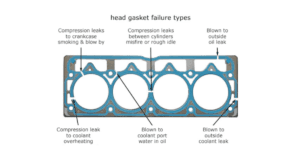 A blown head gasket isn’t just another minor repair like worn brake pads or a dirty air filter; it’s a serious engine issue that sits right at the heart of your car’s performance.
But here’s the thing: Yes, you can drive a car with a blown head gasket, but whether you should is a completely different story. In this guide, I’ll walk you through:
- What really happens when a head gasket blows
- Whether driving is possible (and for how long)
- Real risks you need to understand
- Costs, fixes, and smart decisions
- A practical buyer’s guide if you’re dealing with this issue
Let’s break it down in a way that actually helps you decide what to do next.
What Is a Blown Head Gasket?
The head gasket sits between your engine block and cylinder head. Its job is simple but critical:
- Seal combustion chambers
- Keep oil and coolant separated
- Maintain proper pressure inside the engine
When it “blows” (fails), everything starts mixing and leaking:
- Coolant enters combustion chambers
- Oil mixes with coolant
- Pressure escapes where it shouldn’t
The result? Overheating, power loss, and potential engine destruction.
Can You Drive With a Blown Head Gasket?
Short Answer:
Yes, but only for a very short time, and it’s extremely risky.
Real-World Perspective:
Driving with a blown head gasket is like driving with a cracked engine heart. You might get away with it briefly, but every mile increases the chance of catastrophic failure.
What Happens If You Keep Driving?
Here’s what typically unfolds:
- Engine Overheats Quickly
Coolant leaks reduce cooling efficiency. - White Smoke From Exhaust
Burning coolant creates thick white smoke. - Loss of Power
Compression leaks reduce engine efficiency. - Oil Contamination
Oil turns milky, losing its lubrication ability. - Total Engine Failure
Worst case: warped cylinder head or seized engine.
Driving With a Blown Head Gasket vs Fixing It
| Situation | Driving With a Blown Gasket | Fixing Immediately |
| Cost (Short-Term) | Cheap (no repair yet) | Expensive upfront |
| Cost (Long-Term) | Very high (engine damage) | Controlled cost |
| Engine Safety | Extremely risky | Safe |
| Reliability | Poor | Restored |
| Resale Value | Drops significantly | Maintained |
| Stress Level | High (constant worry) | Peace of mind |
Verdict:
Driving may save money today, but fixing saves your engine tomorrow.
When Is It (Barely) Safe to Drive?
If you absolutely must drive (not recommended), here are limited scenarios:
- Short distance (a few kilometers only)
- No severe overheating yet
- Coolant levels are still stable
- Emergency (like reaching a mechanic)
Tips for Emergency Driving:
- Keep extra coolant in the car
- Drive slowly
- Avoid traffic and hills
- Turn the heater on to reduce engine heat
- Stop immediately if the temperature rises
Signs Your Head Gasket Is Blown
Watch for these warning signs:
- White smoke from the exhaust
- Overheating engine
- Milky oil (like chocolate milk)
- Bubbles in the radiator
- Coolant loss with no visible leak
- Rough engine performance
If you see more than one of these, the gasket is likely gone.
Repair Cost Breakdown
Costs vary depending on the car and region, but here’s a general idea:
| Repair Type | Estimated Cost |
| Head gasket replacement | $500 – $2,000+ |
| Labor (major part) | $300 – $1,500 |
| Engine damage repair | $1,500 – $4,000+ |
| Full engine replacement | $2,500 – $6,000+ |
Why It’s Expensive:
- Labor-intensive (engine disassembly)
- Precision work required
- Often reveals additional damage
My Honest Experience (Personal Insight)
From experience, people usually try to “push it a little longer.” That’s the biggest mistake. I’ve seen cases where:
- A $700 repair turned into a $3,500 engine rebuild
- A simple gasket issue warped the cylinder head
- Drivers ignored overheating, and the engine seized completely
Lesson: If you catch it early, you can still save money.
Temporary Fixes (Do They Work?)
You may hear about sealants or “head gasket fix” liquids.
Reality Check:
- They can work temporarily
- Only effective for minor leaks
- Not a permanent solution
Think of them as a band-aid, not surgery.
Buyer’s Guide: What To Do If You Suspect a Blown Head Gasket
1. Confirm the Problem
- Use a combustion leak test kit
- Check oil and coolant condition
- Look for exhaust smoke
2. Decide Your Budget
Ask yourself:
- Can I afford a repair now?
- Is the car worth fixing?
3. Evaluate the Car’s Value
- Old car? Might not be worth repairing
- Newer car? Definitely fix it
4. Choose Repair vs Replace
| Scenario | Best Decision |
| New car, good condition | Repair |
| Old car, high mileage | Consider replacement |
| Minor leak | Try a temporary fix (short-term) |
| Severe overheating | Immediate repair |
5. Pick the Right Mechanic
- Look for engine specialists
- Ask for a warranty on the work
- Get multiple quotes
Long-Term Impact of Ignoring the Problem
If you continue driving:
- Warped cylinder head
- Cracked engine block
- Complete engine failure
- Massive repair bills
At that point, fixing becomes more expensive than the car itself.
Preventing a Blown Head Gasket
Prevention is always cheaper:
- Maintain coolant levels
- Fix overheating issues quickly
- Replace the thermostat when needed
- Use proper engine oil
- Regular servicing
Read More: How To Tell If Your Car AC Blower Motor Is Bad
FAQs: Can You Drive A Car With A Blown Head Gasket
1. How long can I drive with a blown head gasket?
Usually, a few miles at best before serious damage occurs. It’s unpredictable.
2. Can a car start with a blown head gasket?
Yes, but it may run rough and overheat quickly.
3. Is it worth fixing a blown head gasket?
If the car is in good condition, yes. Otherwise, consider replacement.
4. Will a blown head gasket ruin the engine?
Yes, if ignored. It can lead to total engine failure.
5. Can I use a sealant instead of repair?
Only as a temporary fix. It won’t replace a proper repair.
6. What happens if coolant mixes with oil?
It reduces lubrication and can destroy engine components quickly.
7. Why is head gasket repair so expensive?
It requires major engine disassembly and skilled labor.
Final Verdict
So, can you drive a car with a blown head gasket? Technically yes. Practically no. It’s a short-term gamble with long-term consequences. If you care about your car and your wallet, fixing it early is always the smarter move.