Checking your car’s oil level is one of the easiest maintenance tasks you can perform, yet it’s also one of the most important. A simple five-minute inspection can help prevent thousands of dollars in engine repairs.
I used to think checking engine oil was something only mechanics did. After learning how simple the process actually is, I realized it should be part of every driver’s routine.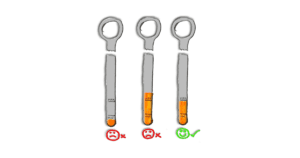 Whether you’re preparing for a long road trip or simply maintaining your daily commuter, knowing how to check your oil level can save you money, improve fuel efficiency, and extend your engine’s lifespan.
In this guide, I’ll walk you through the entire process, explain what the oil level means, show you how to read the dipstick correctly, and share practical tips I’ve learned along the way.
Why Checking Your Oil Level Matters
Engine oil performs several critical jobs:
- Lubricates moving engine parts
- Reduces friction
- Keeps the engine cool
- Prevents corrosion
- Cleans dirt and sludge
- Improves engine efficiency
Without enough oil or with oil that’s too dirty, your engine can wear out much faster.
Quick Comparison Table
| Feature | Proper Oil Level | Low Oil Level |
| Engine Protection | Excellent | Poor |
| Lubrication | Complete | Limited |
| Fuel Efficiency | Better | Reduced |
| Engine Temperature | Stable | Higher |
| Engine Noise | Quiet | Louder |
| Risk of Damage | Very Low | High |
| Need to Add Oil | No | Yes |
What You’ll Need
Fortunately, checking oil doesn’t require expensive tools. You’ll only need:
- A clean paper towel or microfiber cloth
- Protective gloves (optional)
- Your vehicle owner’s manual
- Proper engine oil, if topping up is necessary
Step 1: Park on Level Ground
This is the most overlooked step. If your vehicle is parked on a hill, the oil inside the oil pan shifts to one side, making the dipstick reading inaccurate.
Always:
- Park on flat ground
- Engage the parking brake
- Turn off the engine
Step 2: Let the Engine Cool
Many manufacturers recommend waiting 5–10 minutes after shutting off the engine. This allows oil to drain back into the oil pan.
Checking immediately after driving often produces an incorrect reading because oil is still circulating through the engine.
Step 3: Locate the Dipstick
Open the hood. You’ll usually notice a brightly colored handle. Common colors include:
- Yellow
- Orange
- Red
The owner’s manual can help if you’re unsure.
Step 4: Remove the Dipstick
Pull it straight out.
You’ll notice oil coating the lower portion.
Don’t read it yet.
The first reading is rarely accurate because oil splashes during engine operation.
Step 5: Wipe It Clean
Use a clean towel.
Remove all oil from the measuring end.
This prepares the dipstick for an accurate reading.
Step 6: Reinsert Completely
Push the dipstick back into its tube until fully seated.
Wait one or two seconds.
Then pull it out again.
Now you’re ready to inspect the oil level.
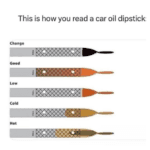
Step 7: Read the Oil Level
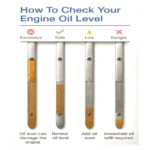
Most dipsticks have:
- MIN and MAX marks
- Two dots
- Crosshatched area
- Lines indicating safe range
Ideally, the oil should be close to the MAX mark but not above it. If it’s:
- Near MAX → Perfect
- Middle → Still acceptable
- Near MIN → Add oil soon
- Below MIN → Do not continue driving until oil is added
What Oil Color Means
Oil color tells a story.
Honey or Amber
Fresh oil.
Excellent condition.
Light Brown
Normal.
No concerns.
Dark Brown
Used but still serviceable.
Monitor regularly.
Black
Usually normal in diesel engines.
Gasoline engines may need an oil change depending on mileage.
Milky
This could indicate coolant contamination.
Professional inspection is recommended immediately.
Should You Check Oil Hot or Cold?
Both methods work depending on the manufacturer’s recommendations.
| Engine Condition | Accuracy | Recommendation |
| Cold Engine | Excellent | Best for beginners |
| Warm Engine (after waiting 5–10 minutes) | Excellent | Most manufacturers recommend |
| Immediately After Driving | Poor | Avoid |
How Often Should You Check Oil?
A good rule is:
- Every month
- Before long trips
- Every 1,000 miles (1,600 km)
- Whenever the oil warning light appears
- After engine repairs
Older vehicles may benefit from more frequent checks.
Signs Your Oil May Be Low
Watch for these symptoms:
- Oil warning light
- Engine knocking
- Ticking sounds
- Burning oil smell
- Reduced fuel economy
- Rough engine performance
- Blue exhaust smoke
- Engine overheating
Never ignore these warning signs.
How to Add Oil
If your oil level is low:
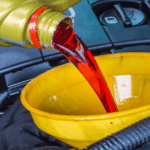
- Remove the oil filler cap.
- Add the manufacturer-recommended oil slowly.
- Pour about half a quart (or 500 ml) at a time.
- Wait a minute.
- Recheck the dipstick.
- Repeat until the level reaches the proper range.
Avoid overfilling. Too much oil can damage seals and create excessive crankshaft pressure.
Common Mistakes to Avoid
Many first-time owners make these errors:
Checking on a slope
Results are inaccurate.
Reading the first pull
Always wipe first.
Overfilling
More oil isn’t better.
Using the wrong oil
Always match the viscosity specified in your owner’s manual.
Ignoring dirty oil
Oil quality matters as much as quantity.
Personal Experience
When I first checked my own car’s oil, I expected it to be complicated. Instead, it took less than five minutes. What surprised me most was how easy it was to misread the dipstick if I skipped wiping it first.
Since making oil checks part of my monthly routine, I’ve noticed fewer maintenance surprises and greater peace of mind before long drives. It’s one of those simple habits that pays off over time.
Buyer’s Guide: What to Consider When Buying Engine Oil
Choosing the right engine oil is just as important as checking the level regularly. Here are the key factors to keep in mind before purchasing.
1. Follow the Manufacturer’s Recommendation
Always consult your owner’s manual for the recommended oil viscosity and specification. Using the wrong type can reduce performance and even damage the engine over time.
2. Select the Correct Viscosity
Common grades include:
- 0W-20
- 5W-20
- 5W-30
- 10W-30
- 0W-40
The correct viscosity depends on your vehicle, climate, and engine design.
3. Conventional vs. Synthetic Oil
Conventional Oil
- Lower cost
- Suitable for older engines
- Requires more frequent changes
Synthetic Blend
- Better protection
- Moderate price
- Improved durability
Full Synthetic
- Best engine protection
- Excellent temperature resistance
- Longer service intervals
- Ideal for modern engines
4. Look for Industry Certifications
Choose oils that meet recognized standards such as API or ILSAC certifications. These indicate the oil has passed industry performance tests.
5. Consider Your Driving Habits
If you frequently drive in:
- Heavy traffic
- Extreme temperatures
- Mountainous areas
- Tow trailers
- Make short trips
A high-quality full synthetic oil is usually the better choice.
6. Buy From Trusted Retailers
Purchase engine oil from reputable auto parts stores, dealerships, or established online retailers to reduce the risk of counterfeit products.
Read More: Wing Mirror Glass Replacement Bolton
FAQs:
1. How often should I check my oil level?
Most experts recommend checking it at least once a month and before any long trip.
2. Can I check the oil while the engine is hot?
Yes, but wait about 5–10 minutes after shutting off the engine so the oil can drain back into the oil pan.
3. What happens if my oil level is too low?
Low oil reduces lubrication, increases engine wear, raises operating temperatures, and can eventually lead to severe engine damage.
4. Is dark engine oil always bad?
Not necessarily. Engine oil naturally darkens over time as it collects contaminants. Follow the recommended oil change interval rather than relying on color alone.
5. What if I accidentally overfill the engine oil?
Overfilling can cause foaming, increased crankcase pressure, oil leaks, and potential engine damage. If the level is above the maximum mark, remove the excess oil.
6. Can I mix different brands of engine oil?
Generally, yes, as long as they have the same viscosity grade and meet the required specifications. However, using one consistent brand and formulation is preferable.
7. Why does my oil level keep dropping?
Possible causes include normal consumption, oil leaks, worn piston rings, valve seal issues, or engine wear. If you frequently need to add oil, have the vehicle inspected.
8. How long does it take to check engine oil?
Usually less than five minutes, making it one of the quickest preventive maintenance tasks you can perform.
9. Should the oil level be exactly at the MAX mark?
No. Anywhere between the MIN and MAX marks is generally considered safe, although keeping it near the upper end is ideal.
10. Can low oil affect fuel economy?
Yes. Insufficient lubrication increases engine friction, which can reduce efficiency and slightly increase fuel consumption.
Final Thoughts
Checking your oil level is one of the simplest maintenance tasks any vehicle owner can learn. It requires very little time, almost no tools, and can dramatically increase your engine’s lifespan. By making it part of your monthly routine, you’ll catch problems early, improve your vehicle’s reliability, and avoid many costly repairs.
Whether you drive a brand-new SUV, an older sedan, or a hardworking pickup truck, taking five minutes to inspect your oil is an investment in your engine’s long-term health.