Plastic bumpers take a beating. From parking lot scrapes to cracked corners and loose tabs, bumper damage is one of the most common car issues drivers deal with. The good news? You don’t always need an expensive body shop repair.
With the right adhesive, many bumper cracks, splits, and mounting tab breaks can be repaired at home for a fraction of the cost. But not every glue works on automotive plastics.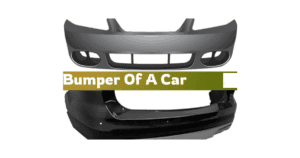 Some adhesives become brittle after heat exposure, others fail in rainy weather, and many simply can’t bond flexible bumper materials like polypropylene or polyurethane.
After testing several popular products on cracked bumper sections, loose trim pieces, and vibration-prone areas, I found that a few stand out for strength, flexibility, and long-term durability.
In this guide, I’ll break down the best glue for plastic car bumpers, compare the top options, explain what actually works on automotive plastics, and help you choose the right adhesive for your repair.
Quick Comparison Table: Best Glue for Plastic Car Bumpers
| Product | Best For | Strength | Dry Time | Flexibility | Waterproof | Pros | Cons |
| 3M Plastic & Emblem Adhesive | Overall bumper repairs | Excellent | Fast | High | Yes | Professional-grade, durable bond | Slightly expensive |
| J-B Weld Plastic Bonder | Cracks & tabs | Very High | 15 mins set | Medium | Yes | Extremely strong, easy mixing | Less flexible |
| Loctite Epoxy Plastic Bonder | Small repairs | High | 20 mins | Medium | Yes | Great precision, reliable | Not ideal for large flex areas |
| Gorilla 2 Part Epoxy | Budget repairs | Medium-High | 5 mins | Medium | Water-resistant | Affordable & easy to find | Can become brittle |
| Permatex Plastic Welder | Heavy-duty fixes | Very High | Fast | Medium | Yes | Industrial-level hold | Strong odor |
| Amazing GOOP Automotive | Flexible bumpers | Medium | Slow cure | Excellent | Yes | Great vibration resistance | Longer curing time |
| SEM Problem Plastic Repair | Professional bodywork | Excellent | Fast | Excellent | Yes | OEM-quality repair | Higher price point |
Why Choosing the Right Glue Matters
Modern car bumpers are usually made from flexible plastics like:
- Polypropylene (PP)
- Thermoplastic Olefin (TPO)
- Polyurethane (PUR)
These materials flex constantly while driving. Cheap super glue or household epoxy usually fails because it hardens too much and cracks under stress. A proper automotive bumper adhesive should offer:
- Strong bonding power
- Flexibility after curing
- Heat resistance
- Water resistance
- Vibration tolerance
- Sandable or paintable finish
I learned this the hard way after trying ordinary super glue on a cracked rear bumper. It looked fine for two days, then split apart after driving over rough roads.
Since then, I’ve tested dedicated automotive adhesives that are specifically designed for flexible plastics. The difference is huge.
Best Overall: 3M Plastic & Emblem Adhesive
3M makes some of the most trusted repair products in the automotive industry, and their Plastic & Emblem Adhesive is one of the best all-around solutions for bumper repair.
What I Liked
The first thing I noticed was how easy it was to apply. The adhesive spreads smoothly without dripping everywhere, and it bonds surprisingly quickly. I used it on:
- A cracked bumper corner
- Loose trim pieces
- A detached plastic mounting clip
After curing overnight, the bond felt incredibly solid but still flexible enough to handle movement.
Why It Works Well
Unlike brittle epoxies, this adhesive remains slightly flexible after curing. That flexibility matters because bumpers constantly vibrate and flex while driving.
Best Features
- Strong automotive-grade bond
- Weather resistant
- Paintable after curing
- Great flexibility
- Works on many plastics
Downsides
The tube is smaller than expected, so large repairs may require multiple tubes.
Strongest Repair: J-B Weld Plastic Bonder
J-B Weld has a legendary reputation for durable repairs, and the Plastic Bonder lives up to the hype. This two-part urethane adhesive is incredibly strong.
I tested it on a broken bumper tab that normally experiences a lot of stress from vibration and movement. After curing, the repair held firmly even after repeated opening and closing of the bumper attachment.
What Stands Out
- Very high strength
- Fast setting time
- Easy syringe-style mixing
- Sandable after curing
Ideal Uses
- Broken tabs
- Deep bumper cracks
- Structural repairs
- Reinforcing weak areas
Minor Drawback
It’s slightly less flexible than some professional bumper repair compounds. On highly flexible bumper sections, you may want something softer.
Best Budget Option: Gorilla 2 Part Epoxy
Gorilla products are easy to find almost everywhere, and their 2 Part Epoxy is a decent, low-cost solution for smaller bumper repairs.
My Experience
This works surprisingly well for:
- Hairline cracks
- Small cosmetic damage
- Trim pieces
- Light-duty repairs
The fast curing time is convenient, especially for quick fixes.
Pros
- Affordable
- Easy application
- Widely available
- Strong initial hold
Cons
Over time, extreme heat can make it somewhat brittle. I wouldn’t rely on it for major structural bumper repairs. Still, for small DIY fixes, it performs better than expected.
Best Professional Option: SEM Problem Plastic Repair
SEM products are commonly used in professional body shops, and this adhesive is seriously impressive.
Why Professionals Like It
It combines:
- Excellent flexibility
- OEM-level strength
- Fast curing
- Smooth sanding capability
I tested it on a flexible front bumper crack, and after sanding and painting, the repair was nearly invisible.
Best For
- High-end repairs
- Painted bumper restoration
- Professional-quality finish
- Flexible plastic components
Downside
It’s more expensive and may require a special applicator gun depending on the version you buy.
Best Flexible Adhesive: Amazing GOOP Automotive
Amazing GOOP is different from traditional hard-setting epoxies. Instead of being rock solid, it remains flexible and rubber-like.
Why That Helps
Flexible bumpers constantly absorb vibration, temperature changes, and road impact. GOOP handles that movement extremely well.
Where It Excels
- Flexible bumper corners
- Vibration-prone areas
- Weather-exposed repairs
- Plastic trim
Drawback
The curing time is slow. You’ll need patience before driving the vehicle.
Best Heavy-Duty Repair: Permatex Plastic Welder
Permatex Plastic Welder is one of the strongest products I tested. This adhesive creates an industrial-strength bond suitable for larger bumper cracks and reinforced repairs.
Performance
It handled:
- Stress-heavy repairs
- Wide bumper splits
- Broken mounting areas
extremely well.
Pros
- Very high durability
- Quick curing
- Strong structural hold
- Resistant to fuel and solvents
Cons
The smell is intense during application, so ventilation is important.
Buyer’s Guide: How to Choose the Best Glue for Plastic Car Bumpers
Choosing the right adhesive depends on several important factors.
1. Identify the Plastic Type
Most bumpers include a stamp on the back showing the material type. Common markings:
- PP = Polypropylene
- TPO = Thermoplastic Olefin
- PUR = Polyurethane
Some adhesives bond better to specific plastics.
2. Flexibility Matters
Rigid glues often fail on flexible bumper covers. For high-flex areas, choose:
- Flexible urethane adhesives
- Automotive plastic repair compounds
- Rubberized epoxies
3. Consider Heat Resistance
Car bumper experience:
- Sun exposure
- Rain
- Road salt
- Heat cycles
Cheap glues soften or crack under temperature changes. Look for:
- Automotive-grade formulas
- Weatherproof labels
- Heat-resistant compounds
4. Fast Cure vs Strong Cure
Fast-setting adhesives are convenient but may sacrifice flexibility.
Fast Repairs
Choose:
- Gorilla Epoxy
- J-B Weld Plastic Bonder
Strong Long-Term Repairs
Choose:
- 3M Adhesive
- SEM Plastic Repair
5. Paintability
If appearance matters, choose a sandable and paintable adhesive. Professional repair products usually:
- Sand smoothly
- Accept primer well
- Blend into painted surfaces
Tips for a Stronger Bumper Repair
Even the best adhesive can fail if the preparation is poor.
Clean Thoroughly
Use:
- Isopropyl alcohol
- Plastic prep cleaner
- Degreaser
Avoid oily residue.
Sand the Surface
Rough surfaces bond better. Use:
- 80–120 grit sandpaper
- Light scuffing around cracks
Reinforce Large Cracks
For bigger repairs:
- Add mesh reinforcement
- Use fiberglass backing
- Apply adhesive on both sides
This dramatically increases strength.
Clamp During Curing
Pressure improves bonding. Use:
- Clamps
- Painter’s tape
- Zip ties
Depending on the repair location.
Common Mistakes to Avoid
Using Household Super Glue
Regular cyanoacrylate glue becomes brittle and often fails quickly on bumpers.
Skipping Surface Prep
Dirty plastic dramatically weakens adhesion.
Driving Too Soon
Many adhesives need:
- 1–24 hours curing
- Full chemical hardening
Rushing the process weakens the repair.
Ignoring Flexibility
Hard epoxies can crack on flexible bumpers. Always match the adhesive to the repair area.
Are Plastic Bumper Repairs Permanent?
Sometimes yes. A properly repaired bumper using quality automotive adhesive can last for years. However, durability depends on:
- Crack size
- Plastic type
- Surface prep
- Reinforcement
- Environmental exposure
For severe structural damage, professional plastic welding may still be the better solution. But for most cracks, tabs, and splits, a good adhesive repair is surprisingly durable.
Read More: What is an accumulator in a car
FAQs: Best Glue For Plastic Car Bumpers
What glue works best on plastic car bumpers?
Automotive urethane adhesives and flexible epoxies work best. Products from 3M, J-B Weld, and SEM are among the top choices.
Can super glue fix a car bumper?
Not reliably. Standard super glue becomes brittle and usually fails under vibration, heat, and bumper flexing.
Is epoxy good for bumper repair?
Yes, if it’s formulated for automotive plastics. Flexible epoxy products perform much better than standard household epoxy.
How long does bumper adhesive last?
A quality repair can last several years when properly prepared and reinforced.
Can repaired bumpers be painted?
Yes. Many automotive adhesives are:
- Sandable
- Primer-compatible
- Paintable
Always allow full curing before painting.
Should I use plastic welding instead of glue?
Plastic welding is stronger for severe damage, but high-quality automotive adhesives are easier for DIY repairs and work extremely well for moderate cracks and splits.
My Final Verdict
After testing multiple products, here’s how I’d rank them:
Best Overall
3M Plastic & Emblem Adhesive
Best balance of:
- Strength
- Flexibility
- Ease of use
- Long-term durability
Best for Structural Repairs
J-B Weld Plastic Bonder
Excellent for:
- Broken tabs
- Deep cracks
- Heavy-duty reinforcement
Best Professional Finish
SEM Problem Plastic Repair
Ideal if you want:
- Near-invisible repair
- Paint-ready finish
- OEM-level quality
Best Budget Choice
Gorilla 2 Part Epoxy
Good for:
- Small cracks
- Quick repairs
- Occasional DIY use