If your car suddenly starts misfiring, losing power, or refusing to start, there’s a good chance the issue traces back to something surprisingly small: the coil pack. It’s not the flashiest component under your hood, but without it, your engine simply wouldn’t run.
In simple terms, a coil pack is responsible for turning your car’s low battery voltage into the high-voltage spark needed to ignite fuel in the engine. No spark = no combustion = no movement.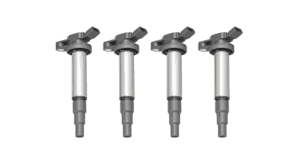 From my experience working with everyday vehicles from older sedans to modern fuel-injected cars, coil packs are one of those components you don’t think about… until they fail. And when they do, the difference is instantly noticeable.
This guide breaks everything down in a clear, readable, and practical way, so whether you’re a beginner or someone looking to diagnose issues, you’ll get real value here.
What Is a Coil Pack?
A coil pack is essentially a group of ignition coils bundled into one unit. It replaces the older distributor system found in classic cars.
Each coil inside the pack is responsible for delivering high voltage to one or more spark plugs.
How It Works (Simple Explanation)
Your car battery produces about 12 volts, but your spark plugs need around 20,000–50,000 volts to ignite fuel.
The coil pack acts like a transformer:
- Takes low voltage from the battery
- Amplifies it massively
- Sends it to the spark plugs at the exact right moment
This process supports the core principle of the internal combustion engine, where fuel and air ignite to produce power.
Coil Pack vs Traditional Ignition System
| Feature | Coil Pack System | Distributor System |
| Technology | Modern | Older |
| Maintenance | Low | High |
| Efficiency | High | Moderate |
| Reliability | Better | Prone to wear |
| Spark Timing | Precise (computer-controlled) | Mechanical timing |
| Common in | Modern cars | Classic/older cars |
👉 Real-world takeaway: Coil packs are more reliable and efficient, but when they fail, replacement is often necessary rather than repair.
Signs of a Bad Coil Pack
From practical experience, coil pack failure rarely happens quietly. Here are the most common symptoms:
1. Engine Misfires
Your engine may feel like it’s “jerking” or running unevenly.
2. Poor Fuel Economy
Unburnt fuel due to weak sparks leads to higher fuel consumption.
3. Loss of Power
Acceleration feels sluggish or delayed.
4. Check Engine Light
Modern vehicles detect ignition issues quickly.
5. Hard Starting or No Start
If multiple coils fail, the engine might not start at all.
Real-World Driving Experience With a Failing Coil Pack
Driving with a bad coil pack feels like:
- Your car is struggling to breathe
- Power delivery becomes inconsistent
- Vibrations increase, especially at idle
In one case, a simple coil pack replacement restored:
- Smooth acceleration
- Better mileage
- Quiet engine operation
It’s one of those fixes that instantly improves how your car feels.
Types of Coil Pack Systems
1. Single Coil Pack (Wasted Spark System)
- One coil serves two cylinders
- Common in older modern vehicles
2. Coil-on-Plug (COP)
- Each spark plug has its own coil
- Most modern and efficient system
3. Coil Near Plug
- Similar to COP but mounted nearby
- Uses short wires
Why Coil Packs Fail
Even though they’re durable, coil packs don’t last forever.
Common Causes:
- Heat damage (engine heat is intense)
- Oil leaks are contaminating coils
- Worn spark plugs
- Electrical issues
- Moisture intrusion
👉 Important insight: Bad spark plugs often damage coil packs—so always check both.
Buyer’s Guide: Choosing the Right Coil Pack
If you’re replacing a coil pack, don’t just grab the cheapest option. Here’s what actually matters:
1. Compatibility
Always match:
- Make
- Model
- Engine type
2. OEM vs Aftermarket
| Option | Pros | Cons |
| OEM (Original Equipment Manufacturer) | Perfect fit, reliable | More expensive |
| Aftermarket | Affordable | Quality varies |
3. Build Quality
Look for:
- Heat-resistant materials
- Good insulation
- Strong connectors
4. Brand Reputation
Reliable brands tend to last longer and perform consistently.
5. Warranty
A good warranty often indicates confidence in quality.
Installation: DIY or Mechanic?
DIY-Friendly?
Yes,s on many cars, coil packs are easy to replace:
- Remove engine cover
- Unplug connector
- Unscrew coil
- Replace
When to See a Mechanic
- Hard-to-reach engines
- Multiple misfires
- Electrical diagnosis needed
Maintenance Tips to Extend Coil Pack Life
- Replace spark plugs on time
- Fix oil leaks quickly
- Keep the engine clean
- Avoid cheap electrical components
Cost of Coil Pack Replacement
Typical costs (approximate):
- Single coil: $20–$100
- Full set: $100–$400
- Labor: $50–$150
👉 Total depends on your car type and engine design.
Long Explanation: Why Coil Packs Matter More Than You Think
Modern engines rely heavily on precision. Every millisecond matters when firing spark plugs. Coil packs allow your car’s ECU (Engine Control Unit) to control ignition timing accurately.
Compared to older systems, this means:
- Better fuel efficiency
- Lower emissions
- Smoother performance
Without coil packs, modern engines wouldn’t achieve their current level of efficiency. They’re also crucial for technologies like:
- Fuel injection systems
- Turbocharged engines
- Hybrid combustion setups
So while they may seem like a small component, they play a central role in your car’s performance and reliability.
Read More: How To Check Engine Oil
FAQS: What Does A Coil Pack Do In A Car
1. Can I drive with a bad coil pack?
You can, but it’s not recommended. It can damage your catalytic converter and worsen engine issues.
2. How long do coil packs last?
Typically 80,000 to 120,000 km, but it varies.
3. Should I replace all coil packs at once?
If one fails, others may follow; many mechanics soon recommend replacing them all together.
4. Is a coil pack the same as an ignition coil?
A coil pack contains multiple ignition coils in one unit.
5. Can a bad coil pack drain the battery?
Not directly, but it can cause starting issues that seem similar.
6. What happens if a coil pack completely fails?
The affected cylinder won’t fire, leading to rough running or no start.
7. Are expensive coil packs worth it?
Usually, yes, better durability and performance.
Final Thoughts
A coil pack might not be something you think about daily, but it’s essential to your car’s operation. When it works, your engine runs smoothly and efficiently. When it fails, everything feels off.
From personal experience, replacing a faulty coil pack is one of the most noticeable improvements you can make to engine performance. It’s a small fix with a big impact.