If you’ve ever looked underneath a car and spotted small rubber or polyurethane rings squeezed between metal parts, you’ve probably seen a car bushing. They may not look impressive at first glance, but these little components play a massive role in how your vehicle rides, handles, and absorbs road vibration.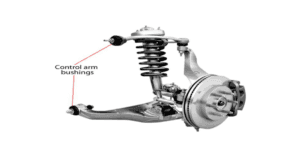 Most drivers never notice bushings until something starts clunking, squeaking, or feeling loose. Then suddenly, everyone starts talking about control arm bushings, sway bar bushings, suspension bushings, and motor mount bushings.
The first time I personally dealt with bad bushings, I thought my suspension was falling apart. Every bump produced a dull knocking sound, and the steering felt vague and unstable. After replacing a few worn bushings, the car felt tighter, quieter, and more comfortable almost instantly.
This guide explains exactly:
- What car bushings look like
- Where they’re located
- How to identify worn bushings
- Different bushing materials
- Signs of failure
- Which types last the longest
- How to choose replacement bushings
Whether you’re a beginner car owner or a DIY mechanic, this article will help you recognize and understand one of the most overlooked parts of a vehicle.
What Is a Car Bushing?
A car bushing is a cushioning component installed between two metal parts to reduce vibration, friction, and noise. Bushings are usually made from:
- Rubber
- Polyurethane
- Synthetic elastomers
They act like flexible cushions that allow controlled movement while preventing metal-on-metal contact. Without bushings, your car would:
- Shake excessively
- Produce loud vibrations
- Feel harsh over bumps
- Wear suspension parts faster
- Develop steering instability
Bushings are installed throughout the vehicle, especially in:
- Suspension systems
- Steering components
- Engine mounts
- Control arms
- Sway bars
- Shock absorbers
What Do Car Bushings Actually Look Like?
At first glance, most car bushings resemble:
- Thick rubber rings
- Donut-shaped cushions
- Rubber sleeves with metal centers
- Cylindrical inserts
- Small hockey-puck-style mounts
Some are simple black rubber cylinders, while others include metal outer shells and inner sleeves.
Common Visual Features
Typical bushings include:
| Feature | Appearance |
| Outer Layer | Rubber or polyurethane |
| Inner Sleeve | Metal tube |
| Shape | Round, cylindrical, or donut-shaped |
| Color | Usually black, sometimes red or blue |
| Texture | Smooth rubber or rigid polyurethane |
Different Types of Car Bushings
Not all bushings look identical. Their appearance depends on where they’re used.
1. Control Arm Bushings
These are among the most common suspension bushings. They usually look like:
- Large rubber donuts
- Rubber cylinders pressed into metal arms
- Circular mounts with hollow centers
They absorb road shock and allow suspension movement.
Common Signs of Wear
- Cracked rubber
- Torn edges
- Loose steering
- Clunking noises
2. Sway Bar Bushings
Sway bar bushings are smaller and usually shaped like split rubber rings. They wrap around the sway bar and secure it to the chassis. They often look like:
- Half-circle rubber clamps
- Small rubber blocks
- Grooved sleeves
3. Shock Absorber Bushings
Shock bushings are smaller, round cushions placed at the mounting points of shocks or struts. They resemble:
- Rubber washers
- Small thick rings
- Compact circular pads
4. Engine Mount Bushings
Engine mount bushings are larger and heavier-duty. They often look like:
- Thick rubber blocks
- Large cylindrical cushions
- Hydraulic-filled mounts
These reduce engine vibration transferred into the cabin.
5. Leaf Spring Bushings
Found mostly on trucks and older vehicles. They typically look like:
- Thick rubber sleeves
- Cylindrical inserts
- Reinforced rubber rings
Rubber vs Polyurethane Bushings
Many replacement bushings are available in either rubber or polyurethane. Here’s how they compare.
Comparison Table: Rubber vs Polyurethane Bushings
| Feature | Rubber Bushings | Polyurethane Bushings |
| Ride Comfort | Softer | Firmer |
| Noise Reduction | Excellent | Moderate |
| Durability | Moderate | Excellent |
| Performance Handling | Average | Better |
| Cost | Lower | Higher |
| Flexibility | More flexible | More rigid |
| Lifespan | Shorter | Longer |
| Maintenance | Minimal | May require lubrication |
| Best For | Daily driving | Performance vehicles |
What Healthy Bushings Look Like
Good bushings should appear:
- Smooth
- Flexible
- Centered
- Crack-free
- Firm but not brittle
The rubber should not appear:
- Dry
- Torn
- Crushed
- Deformed
- Separated from metal
What Worn Bushings Look Like
Bad bushings often show obvious physical damage.
Common Visual Symptoms
Cracks
Small surface cracks are early warning signs.
Splitting
The rubber separates.
Missing Chunks
Pieces of rubber break away.
Oil Soaking
Leaking oil can soften and destroy bushings.
Excessive Movement
The metal sleeve moves freely inside the bushing.
Rust Around Sleeves
Corrosion weakens mounting points.
Symptoms of Bad Car Bushings
You don’t always need to visually inspect bushings to know they’re failing. Here are the most common driving symptoms.
1. Clunking Noises
One of the earliest warning signs. You may hear:
- Knocking
- Clunking
- Thumping
Especially over bumps.
2. Loose Steering
Bad control arm bushings can make steering feel vague or delayed.
3. Uneven Tire Wear
Worn bushings affect alignment geometry.
4. Excessive Vibration
Damaged bushings allow vibrations to travel into the cabin.
5. Poor Handling
The car may:
- Wander
- Lean excessively
- Feel unstable
Why Bushings Wear Out
Bushings constantly endure:
- Heat
- Moisture
- Dirt
- Road salt
- Pressure
- Suspension movement
Over time, rubber naturally degrades.
Common Causes of Failure
| Cause | Effect |
| Age | Rubber hardens |
| Heat | Cracking |
| Oil leaks | Softening |
| Rough roads | Tearing |
| Aggressive driving | Premature wear |
| Heavy loads | Excess strain |
How Long Do Car Bushings Last?
Most factory bushings last:
- 80,000 to 150,000 miles
However, lifespan depends heavily on:
- Climate
- Road quality
- Driving habits
- Vehicle weight
- Material quality
Polyurethane bushings often last longer than rubber.
Can You Drive With Bad Bushings?
Technically, yes, but it’s not recommended for long. Driving with worn bushings can cause:
- Suspension damage
- Tire wear
- Alignment issues
- Unsafe handling
- Increased braking instability
Severely damaged bushings can even allow suspension components to shift dangerously.
How Mechanics Inspect Bushings
Most technicians inspect bushings by:
- Lifting the vehicle
- Using pry bars
- Checking for play
- Looking for cracks
- Inspecting rubber deformation
Sometimes, bad bushings are easier to feel than see.
My Experience Replacing Old Bushings
One of the biggest suspension transformations I ever experienced came from replacing old control arm bushings on an older sedan. Before replacement:
- Steering wandered
- Front end clunked
- Highway driving felt unstable
After replacing them:
- Steering tightened instantly
- Road noise decreased
- Cornering improved dramatically
It honestly felt like a newer car.
Many drivers underestimate how much bushings affect overall ride quality.
OEM vs Aftermarket Bushings
When replacing bushings, you’ll usually choose between OEM-style rubber or aftermarket polyurethane.
OEM Rubber Bushings
Pros:
- Comfortable
- Quiet
- Smooth ride
Cons:
- Shorter lifespan
- Softer handling
Polyurethane Bushings
Pros:
- Longer-lasting
- Sharper handling
- Better performance
Cons:
- More vibration
- Can squeak
- Harsher ride
Buyer’s Guide: Choosing the Best Car Bushings
Buying the right bushings depends on your vehicle and driving style.
1. Daily Driver vs Performance Car
For regular commuting:
- Rubber bushings are ideal
For sports driving:
- Polyurethane performs better
2. Climate Conditions
Extreme heat and cold affect rubber’s lifespan. Polyurethane handles harsh climates better.
3. Noise Tolerance
If you value quiet comfort:
- Choose rubber
If you prioritize handling:
- Polyurethane may be worth the extra noise.
4. Installation Difficulty
Some bushings require:
- Hydraulic presses
- Specialized tools
- Suspension removal
Check installation complexity before buying.
5. Brand Reputation
Quality matters enormously.
Cheap bushings often fail quickly.
Look for trusted manufacturers known for suspension parts.
Signs You Need Immediate Bushing Replacement
Replace bushings quickly if you notice:
- Severe clunking
- Steering instability
- Tire misalignment
- Visible splitting
- Excessive suspension movement
Ignoring these symptoms can damage more expensive suspension parts.
Can You Replace Bushings Yourself?
Yes, but some jobs are easier than others.
DIY-Friendly Jobs
- Sway bar bushings
- Shock bushings
More Difficult Jobs
- Control arm bushings
- Subframe bushings
Some require:
- Hydraulic presses
- Ball joint tools
- Alignment afterward
Average Bushing Replacement Cost
Costs vary widely depending on location and vehicle type.
| Repair Type | Typical Cost |
| Sway bar bushings | $80–$200 |
| Control arm bushings | $250–$700 |
| Full suspension bushings | $1,000+ |
| Polyurethane upgrade kits | $150–$600 |
Labor often costs more than the bushings themselves.
Are Polyurethane Bushings Worth It?
It depends on your goals. For sports cars or spirited driving:
- Absolutely
For quiet commuting:
- Rubber is usually better
Many enthusiasts love polyurethane because it improves steering response dramatically. But some drivers dislike the additional vibration and squeaks.
Common Mistakes People Make With Bushings
Ignoring Early Symptoms
Small noises become larger suspension issues later.
Replacing Only One Side
Bushings usually wear evenly.
Replacing both sides keeps the handling balanced.
Buying Cheap Parts
Low-quality rubber degrades quickly.
Skipping Wheel Alignment
Suspension work often changes alignment settings.
How to Visually Identify Bad Bushings Quickly
Here’s a simple checklist.
Healthy Bushings
✔ Smooth rubber
✔ Tight fit
✔ No cracks
✔ Minimal movement
Bad Bushings
✘ Torn rubber
✘ Splits
✘ Missing chunks
✘ Excessive movement
✘ Oil contamination
Read More: What Turbo Back Exhaust Is
FAQs: What Do Car Bushings Look Like
What color are car bushings?
Most factory bushings are black rubber. Performance polyurethane bushings are often red, blue, or yellow.
Are bushings made of rubber?
Most factory bushings are rubber, though some aftermarket options use polyurethane.
Can bad bushings ruin tires?
Yes. Worn bushings can affect wheel alignment and cause uneven tire wear.
How do I know if my control arm bushings are bad?
Look for:
- Cracks
- Clunking noises
- Loose steering
- Uneven tire wear
Do all cars have bushings?
Yes. Nearly every vehicle uses multiple bushings throughout the suspension and drivetrain.
Are polyurethane bushings better?
They last longer and improve handling, but they can increase vibration and noise.
Can bushings squeak?
Yes. Worn or dry bushings often squeak, especially polyurethane types.
How expensive is bushing replacement?
Simple jobs may cost under $100, while major suspension bushing replacements can exceed $1,000.
Do bushings affect alignment?
Absolutely. Worn bushings allow suspension movement that changes alignment angles.
Can I inspect bushings at home?
Yes. Use a flashlight and inspect for:
- Cracks
- Splits
- Loose movement
- Missing rubber
A jack and pry bar help with deeper inspection.
Final Thoughts
Car bushings may be small, but they dramatically affect how a vehicle feels on the road. Most bushings look like simple rubber or polyurethane rings with metal sleeves, yet they perform a critical role in absorbing vibration, maintaining suspension geometry, and improving ride comfort.
If your car feels loose, noisy, unstable, or harsh over bumps, worn bushings could easily be the hidden culprit.
The good news is that replacing bad bushings often delivers one of the most noticeable ride-quality improvements you can make without spending a fortune.