If you’ve ever watched a race car driver slam through gears without touching a clutch, you’ve probably wondered: “Can I put a sequential gearbox in my car?”
It’s a fair question. Sequential gearboxes look incredibly cool, they shift lightning-fast, and they give your car that racecar feel every driving enthusiast dreams about.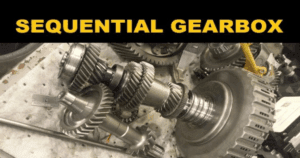 But the reality is a little more complicated. Technically, you can install a sequential gearbox in many cars, but that doesn’t mean it’s always practical, affordable, or even enjoyable for daily driving.
After spending years around modified cars, track builds, and performance upgrades, I’ve seen a lot of enthusiasts jump into sequential gearbox conversions, thinking it’s the ultimate upgrade, only to realize it comes with serious trade-offs.
In this guide, I’ll break down:
- What a sequential gearbox actually is
- Whether any car can use one
- Realistic costs and installation challenges
- Pros and cons for street vs track use
- A detailed buyer’s guide if you’re considering the upgrade
By the end, you’ll know whether installing a sequential gearbox is a brilliant idea or an expensive mistake.
What Is a Sequential Gearbox?
A sequential gearbox is a transmission where gears must be selected in order. Instead of jumping from 5th to 2nd like you can in a traditional manual transmission, a sequential gearbox only allows:
1 → 2 → 3 → 4 → 5 → 6
or
6 → 5 → 4 → 3 → 2 → 1
You cannot skip gears.
This design is common in:
- Race cars
- Rally cars
- Supercars
- High-performance motorcycles
Sequential gearboxes are designed for maximum speed and efficiency during racing, where every millisecond counts.
Sequential Gearbox vs Traditional Manual Transmission
Before considering installation, it’s important to understand how it differs from a normal manual gearbox.
| Feature | Sequential Gearbox | Traditional Manual |
| Gear selection | Must go in order | Any gear anytime |
| Shift speed | Extremely fast | Moderate |
| Clutch use | Sometimes optional | Required |
| Driving feel | Race-style | Traditional |
| Maintenance | High | Moderate |
| Daily driving comfort | Low | High |
| Cost | Very expensive | Affordable |
The main takeaway:
Sequential gearboxes prioritize speed over comfort.
Can You Put a Sequential Gearbox in Any Car?
The short answer: No, not every car. The long answer: Many cars can be converted, but it’s complicated. Installing a sequential gearbox usually requires:
- Custom bellhousing
- Transmission tunnel modification
- New ECU calibration
- Driveshaft modifications
- Custom mounts
- Sequential shifter system
In other words, it’s far from a simple swap. Most installations happen in race builds, not regular street cars.
Types of Sequential Gearboxes
Not all sequential transmissions are the same.
1. True Sequential Race Gearbox
Used in professional motorsport.
Features:
- Dog engagement gears
- Lightning-fast shifts
- Extremely loud
- High maintenance
Brands include companies like:
- Quaife
- Hewland Engineering
- Holinger Engineering
These gearboxes can cost $10,000–$40,000+.
2. Sequential-Style Paddle Shift Systems
Some modern performance cars use paddle systems that simulate sequential shifting. Examples include transmissions in vehicles produced by:
- Ferrari
- Lamborghini
- Porsche
But these are usually automated dual-clutch or automated manual transmissions, not true race-style sequential gearboxes.
Real-World Challenges of Installing a Sequential Gearbox
Many enthusiasts underestimate the complexity of this upgrade. Here are the biggest issues.
1. Cost
A full conversion typically costs:
| Component | Average Cost |
| Sequential gearbox | $8,000 – $25,000 |
| Custom installation | $2,000 – $10,000 |
| Drivetrain modifications | $1,000 – $5,000 |
| ECU tuning | $500 – $2,000 |
Total cost: $12,000 – $40,000+
That’s often more than the value of the car.
2. Daily Driving Problems
Sequential gearboxes are not designed for traffic. Common issues:
- Jerky shifts
- Loud gear whine
- Difficult low-speed driving
- Constant maintenance
They are happiest at high RPM on a track.
3. Maintenance Requirements
Unlike normal transmissions, sequential gearboxes require:
- Frequent rebuilds
- Dog ring replacement
- Regular inspection
Race teams sometimes rebuild them every season or even every few races.
Cars That Commonly Use Sequential Conversions
Sequential swaps are more common in certain builds.
Popular platforms include:
- Track-built sports cars
- Drift cars
- Rally cars
- Time-attack builds
For example, enthusiasts often modify cars produced by:
- Subaru
- Nissan
- Toyota
These platforms have strong aftermarket support, making conversions easier.
Personal Review: Is a Sequential Gearbox Worth It?
After experiencing several track cars with sequential gearboxes, I can honestly say:
They are amazing,g but not for everyone.
What I Loved
✔ Instant shifts
✔ Pure racing experience
✔ Aggressive driving feel
✔ Incredible control on track
Pulling the lever and hearing that mechanical “clack” between gears is addictive.
What I Didn’t Love
✖ Loud gear whine
✖ Expensive maintenance
✖ Hard to drive smoothly in traffic
✖ Very costly upgrade
For a weekend track toy, it’s fantastic. For a daily driver, it can quickly become frustrating.
Who Should Actually Consider This Upgrade?
Sequential gearboxes make sense for:
Track Day Enthusiasts
If your car spends most of its time on a circuit.
Race Cars
Motorsport greatly benefits from faster shifts.
Professional Motorsport Teams
Where every fraction of a second matters.
Buyer’s Guide: Choosing a Sequential Gearbox
If you’re serious about installing one, here’s what to consider.
1. Vehicle Compatibility
Check whether your car platform has:
- Available bellhousing adapters
- Transmission mounts
- Driveshaft compatibility
Popular performance cars usually have better support.
2. Budget
A realistic budget should include:
- Transmission cost
- Installation
- ECU tuning
- Future rebuilds
If your budget is under $10,000, the upgrade may not be realistic.
3. Intended Use
Ask yourself honestly:
Is the car for:
- Racing?
- Track days?
- Street driving?
Sequential gearboxes make sense only when performance matters more than comfort.
4. Manufacturer Reputation
Some of the most respected manufacturers include:
- Quaife
- Hewland Engineering
- Holinger Engineering
Choosing a reputable brand ensures reliability and service availability.
Sequential Gearbox vs Dual-Clutch Transmission
Many drivers actually prefer dual-clutch systems. Dual-clutch transmissions are found in cars from:
- Volkswagen
- Audi
- BMW
offer:
- Lightning-fast shifts
- Smooth driving
- Lower maintenance
- Street comfort
For most enthusiasts, a modern dual-clutch transmission is the better compromise.
Long-Term Ownership Reality
Sequential gearboxes demand commitment. You should expect:
- Regular rebuild costs
- Replacement parts
- Specialist mechanics
- Racing-grade fluids
If you’re not ready for that level of upkeep, the novelty can wear off quickly.
Future of Sequential Gearboxes
Interestingly, sequential gearboxes are becoming less common in road cars. Modern performance vehicles are moving toward:
- Dual-clutch systems
- Advanced automatic transmissions
- Electric drivetrains
However, in motorsport, sequential gearboxes remain dominant.
Final Verdict
So, can you put a sequential gearbox in any car? Technically, yes, but realistically, only certain cars and situations make sense.
Sequential gearboxes offer:
- Unmatched shift speed
- Pure racing experience
- Incredible mechanical engagement
But they also bring:
- High cost
- Maintenance demands
- Poor street usability
For track builds, they’re incredible. For daily driving, they’re often overkill.
Read More: How To Take Fuel Out Of A Car Tank
FAQs: Can You Put A Sequential Gearbox In Any Car
Can any manual car be converted to a sequential gearbox?
Not always. Many cars require extensive modifications, including drivetrain and ECU changes.
How much does a sequential gearbox conversion cost?
Most conversions cost between $12,000 and $40,000, depending on the car and transmission.
Are sequential gearboxes faster than manual transmissions?
Yes. They allow extremely fast shifts, which improve lap times in racing.
Are sequential gearboxes street legal?
Yes, in most places. However, they can be impractical for everyday driving.
Do sequential gearboxes need a clutch?
Usually only for launching from a stop. Once moving, shifts can occur without clutch use.
Why do race cars use sequential gearboxes?
They allow:
- Faster gear changes
- Reduced driver error
- Better performance on track
Can automatic cars be converted to sequential gearboxes?
Yes, but it requires major drivetrain changes, making it expensive and complex.
Are sequential gearboxes reliable?
They are reliable for racing, but they require frequent maintenance and rebuilds.