A rear view mirror may look like a small part of your car, but once it falls off, you’ll realize how important it really is. Driving without one feels awkward, unsafe, and sometimes even illegal, depending on local road laws.
I learned this the hard way after my rear-view mirror suddenly dropped onto the dashboard during a hot summer afternoon. At first, I assumed it would be a quick fix with glue from the garage drawer. Unfortunately, that “quick fix” lasted less than two days before the mirror fell again.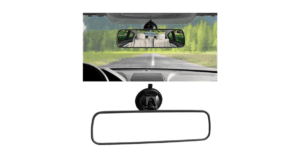 That experience taught me there’s actually a proper way to reinstall a rear-view mirror. The good news? You can absolutely do it yourself at home without paying expensive repair-shop labor costs.
This guide walks you through everything you need to know:
- Why rear-view mirrors fall off
- Tools and adhesives you need
- Step-by-step installation instructions
- Common mistakes to avoid
- Best mirror adhesive kits
- Buyer’s guide
- Frequently asked questions
If you want a secure, long-lasting repair, keep reading.
Why Rear View Mirrors Fall Off
Rear view mirrors are usually attached to the windshield using a small metal mounting button and a specialized adhesive. Over time, several things can weaken that bond. Common causes include:
- Extreme heat inside the car
- The old adhesive is drying out
- Windshield vibration
- Improper previous repairs
- Sudden impact or accidents
- Heavy aftermarket mirrors
- Humidity and moisture
In warmer climates, especially, windshield adhesive can soften and eventually fail.
Signs Your Rear View Mirror Is About to Fall
Before it completely detaches, you might notice:
- Mirror wobbles while driving
- Clicking noises near the windshield
- Loose mounting bracket
- Mirror slowly drooping downward
- Adhesive discoloration
Catching the issue early can save you from replacing the windshield or damaging electronics like rain sensors and dash cams.
Tools You Need to Put a Rear View Mirror Back On
Here are the basic supplies most DIY installers use:
| Tool | Purpose | Necessary? |
| Rear view mirror adhesive kit | Bonds mirror the windshield | Yes |
| Razor blade | Removes old adhesive | Yes |
| Glass cleaner | Cleans the mounting area | Yes |
| Microfiber cloth | Prevents scratches | Yes |
| Marker or tape | Mark’s mirror position | Helpful |
| Sandpaper/emery cloth | Cleans the metal tab | Recommended |
| Gloves | Cleaner handling | Optional |
| Screwdriver/Allen key | Tightens the mirror mount | Sometimes |
Types of Rear View Mirror Mounts
Not all mirrors attach the same way.
1. Glue-On Mount
The most common setup. A metal tab is glued directly to the windshield. Best for:
- Standard cars
- Older vehicles
- DIY repairs
2. Twist Lock Mount
Mirror twists into a pre-installed button. Best for:
- OEM mirrors
- Factory installations
3. Screw-On Mount
Uses tiny screws or hex bolts. Best for:
- Trucks
- SUVs
- Heavy mirrors
4. Electronic Smart Mirrors
Connected with sensors, cameras, or auto-dimming systems. Best for:
- Modern vehicles
- Advanced safety systems
These require extra care because wiring can easily be damaged.
Step-by-Step: How to Put a Rear View Mirror Back On
Step 1: Remove the Old Adhesive
This step matters more than people realize. Use a razor blade carefully to scrape:
- Old glue from the windshield
- Adhesive residue from the mounting button
The surface must be completely smooth and clean. Do not rush this step.
Step 2: Clean the Glass Thoroughly
Use glass cleaner or rubbing alcohol. Clean:
- Windshield interior
- Mounting tab
- Mirror bracket
Even fingerprints can weaken the adhesive bond. Allow everything to dry fully.
Step 3: Mark the Correct Position
- Use masking tape or a washable marker outside the windshield.
- This helps align the mirror properly before attaching it.
- A crooked mirror becomes annoying immediately while driving.
Step 4: Prepare the Metal Mounting Button
- Many kits recommend lightly sanding the metal tab.
- This roughens the surface slightly and improves bonding strength.
- Wipe it clean afterward.
Step 5: Apply the Adhesive
Most rear-view mirror kits include:
- Activator
- Glue
Follow the instructions carefully because different brands cure differently. Usually:
- Apply the activator to the glass
- Let dry briefly
- Add adhesive to the metal tab
- Press onto the windshield
Hold firmly for 30–60 seconds.
Step 6: Wait Before Reattaching the Mirror
This is where many DIY jobs fail. People often reattach the mirror too soon. Most adhesives need:
- 15 minutes minimum
- Sometimes, 24 hours for a full cure
Check product instructions. Patience makes a huge difference.
Step 7: Attach the Mirror
Once cured:
- Slide mirror onto tab
- Tighten the screw if necessary
- Adjust viewing angle
Test carefully without applying too much force.
Common Mistakes That Cause Mirrors to Fall Again
Using Household Glue
Super glue is NOT designed for windshield heat cycles. Avoid:
- Super glue
- Hot glue
- Construction adhesive
- Epoxy is not rated for automotive glass
Always use automotive mirror adhesive.
Skipping Surface Prep
Dirty glass equals weak bonding. Oil, dust, or leftover glue dramatically reduces adhesive strength.
Installing in Cold Weather
Many adhesives cure poorly below the recommended temperatures. Ideal temperature:
- 50°F–75°F (10°C–24°C)
Hanging Heavy Accessories
Large dash cams or decorations can stress the mount. Avoid:
- Heavy air fresheners
- Bulky accessories
- Excessive mirror adjustments
Best Rear View Mirror Adhesive Kits
Here are some widely trusted options drivers often recommend.
| Product | Best Feature | Cure Time | Ideal For |
| Permatex Extreme Mirror Adhesive | Strong heat resistance | Fast | Hot climates |
| Loctite Rearview Mirror Adhesive | Easy application | Medium | Beginners |
| 3M High-Bond Adhesive | OEM-style strength | Moderate | Long-term repairs |
| VersaChem Mirror Adhesive | Budget-friendly | Fast | Quick fixes |
My Personal Experience Reinstalling a Rear View Mirror
The first time I tried fixing mine, I used regular super glue because I assumed “glue is glue.” Bad idea. The mirror fell overnight.
The second attempt used a proper automotive adhesive kit and careful preparation. That repair lasted years without problems, even through hot weather and rough roads.
The biggest lesson: Preparation matters more than force. A clean surface and proper curing time are everything.
Should You Replace the Mirror Instead?
Sometimes reinstallation isn’t enough. You may need a replacement if:
- Mirror housing is cracked
- Electronic components stopped working
- The mounting tab broke
- Mirror glass shattered
- Auto-dimming failed
In those cases, replacing the entire unit makes more sense.
DIY vs Professional Repair
| Factor | DIY Repair | Professional Repair |
| Cost | Low | Higher |
| Time | 30–60 minutes | Usually faster |
| Skill Needed | Basic | None |
| Warranty | Depends on the adhesive | Often included |
| Best For | Simple repairs | Advanced electronics |
DIY works well for standard mirrors. Professional repair is safer for:
- Luxury vehicles
- Sensor-equipped mirrors
- Heated mirrors
- Camera-integrated systems
Buyer’s Guide: Choosing the Right Rear View Mirror Adhesive
Heat Resistance
Cars get extremely hot inside. Choose adhesives specifically rated for:
- High temperatures
- Automotive glass
Cure Time
Fast-curing kits save time but may require precise installation. Slower cure options can allow better alignment.
Compatibility
Not all adhesives work with:
- Metal buttons
- Plastic mounts
- Smart mirrors
Always check compatibility.
Ease of Use
Some kits include:
- Cleaner
- Activator
- Applicator sticks
Beginner-friendly kits are worth the small extra cost.
Durability
Look for:
- Vibration resistance
- UV resistance
- Moisture protection
Cheap adhesive usually fails faster.
Can Extreme Weather Affect the Repair?
Absolutely.
Hot Weather
Heat softens weak adhesives.
Cold Weather
Cold temperatures slow curing.
Humidity
Moisture can interfere with bonding. If possible, perform the repair indoors or in mild weather.
How Long Does Rear View Mirror Adhesive Last?
A properly installed mirror can last:
- Several years
- Sometimes the lifetime of the vehicle
Poor installations may fail within days.
Safety Tips During Installation
- Wear gloves when handling chemicals
- Avoid touching the adhesive directly
- Keep the windshield ventilated
- Never drive before the adhesive cures fully
- Keep children away from chemicals
When to Call a Professional
DIY repair may not be ideal if:
- The windshield is cracked
- Mirror includes advanced electronics
- The mounting area is damaged
- The adhesive repeatedly fails
Professional installers have specialized curing products and tools.
Rear View Mirror Maintenance Tips
To extend the life of your repair:
- Avoid slamming car doors
- Keep the windshield clean
- Don’t overload the mirror
- Check for looseness occasionally
- Park in shaded areas when possible
Read More: What Is A Car Antenna For
FAQs: How Do You Put A Rear View Mirror Back On
Can I use super glue for a rear-view mirror?
No. Super glue usually fails under windshield heat and vibration.
How long should I wait before attaching the mirror?
Most adhesives recommend at least 15 minutes before mounting the mirror and up to 24 hours for full curing.
Why does my rear-view mirror keep falling off?
Common reasons include:
- Poor surface cleaning
- Wrong adhesive
- Extreme heat
- Heavy mirror accessories
Can I drive without a rear-view mirror?
Laws vary by location, but driving without one may be unsafe or illegal.
Do all rear-view mirrors use the same adhesive?
No. Some mirrors use specialized mounts or electronic systems requiring specific products.
Is replacing the windshield necessary?
Usually not unless:
- The glass is cracked
- The mounting area is damaged
- The previous adhesive caused glass issues
Can cold weather ruin the repair?
Yes. Many adhesives struggle to cure properly in low temperatures.
How much does professional repair cost?
Typically:
- $30–$100 for standard mirrors
- More for smart mirrors or luxury vehicles
Are aftermarket mirrors reliable?
Many are excellent, but build quality varies widely.
What is the strongest rear-view mirror adhesive?
Many drivers trust:
- Permatex
- 3M
- Loctite
because of their automotive-grade heat resistance and durability.
Final Thoughts
Putting a rear-view mirror back on is one of those car repairs that seems intimidating at first but becomes surprisingly manageable once you understand the process. The key is using:
- Proper automotive adhesive
- Careful surface preparation
- Enough curing time
Most DIY repairs fail because people rush. Take your time, follow the adhesive instructions closely, and you can achieve a repair that lasts for years.
For basic mirrors, this is one of the easiest and most cost-effective DIY automotive fixes you can do at home.