A car horn is one of those features most drivers rarely think about until it suddenly stops working. Then it becomes a serious problem. Whether you need to warn another driver, pass a safety inspection, or stay road-legal, a functioning horn matters more than many people realize.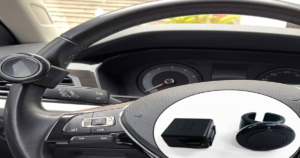 If your steering wheel horn suddenly stops responding, works intermittently, or honks nonstop, don’t panic. In many cases, the issue is surprisingly simple to diagnose and repair.
This guide walks you through everything you need to know about fixing a car horn in the steering wheel, including:
- Common causes
- Step-by-step troubleshooting
- DIY repair tips
- Replacement part recommendations
- Safety precautions
- Costs and tools
- Buyer’s guide
- FAQs
By the end, you’ll know whether you can fix the horn yourself or when it’s smarter to call a professional mechanic.
Why Your Steering Wheel Horn Stops Working
The horn system in most vehicles is fairly simple. When you press the horn pad on the steering wheel, it completes an electrical circuit that sends power to the horn unit.
But several components can fail. Common causes include:
- Blown fuse
- Faulty horn relay
- Damaged horn switch
- Broken clock spring
- Wiring issues
- Dead horn unit
- Steering wheel contact wear
- Battery or grounding problems
Some issues are minor DIY fixes. Others involve the steering wheel airbag system and require extra caution.
Signs Your Steering Wheel Horn Has Problems
Before jumping into repairs, identify the symptoms.
Common Warning Signs
| Symptom | Possible Cause | Repair Difficulty |
| Horn does not work at all | Fuse, relay, horn unit | Easy |
| Horn works intermittently | Clock spring or loose wiring | Medium |
| Horn honks continuously | Stuck horn switch | Medium |
| The horn only works when the wheel turns | Clock spring issue | Hard |
| Steering wheel buttons fail, too | Clock spring failure | Hard |
| Weak or distorted horn sound | Bad horn unit | Easy |
This comparison table helps narrow down the likely source of the problem.
Understanding How a Steering Wheel Horn Works
Before fixing anything, it helps to understand the basic system. The horn system usually includes:
- Horn button or pad
- Clock spring
- Horn relay
- Fuse
- Wiring harness
- Horn unit
- Vehicle battery
When you press the horn pad:
- The switch closes the circuit
- The relay activates
- Power reaches the horn
- The horn produces sound
If any component fails, the horn stops functioning properly.
Safety First: Important Precautions
Working around a steering wheel can be dangerous because of the airbag system.
Always Follow These Safety Rules
Disconnect the Battery
Remove the negative battery terminal and wait at least 10–15 minutes before touching the steering wheel.
Avoid Static Electricity
Static discharge can accidentally deploy an airbag.
Never Probe Airbag Connectors
Use caution around yellow connectors or wiring.
Wear Safety Gloves
Protect yourself from sharp steering wheel components.
Use Proper Tools
Improvised tools can damage electrical systems.
Ignoring safety precautions can lead to expensive repairs or injury.
Tools You May Need
Here are the most common tools used when fixing a steering wheel horn:
| Tool | Purpose |
| Screwdrivers | Remove steering wheel covers |
| Socket set | Remove steering wheel bolts |
| Multimeter | Test electrical circuits |
| Fuse puller | Replace the blown fuse |
| Steering wheel puller | Remove the wheel safely |
| Trim tools | Prevent interior scratches |
| Replacement fuse | Common quick fix |
| Contact cleaner | Clean electrical contacts |
Most DIY horn repairs require only basic hand tools.
Step 1: Check the Horn Fuse
This is the easiest and most common fix.
How To Check It
- Locate the fuse box
- Find the horn fuse using the diagram
- Remove the fuse
- Inspect for a broken metal strip
If the strip is broken, the fuse is blown. Replace it with the same amperage rating.
My Experience
In many vehicles, the horn fuse blows because of age or moisture. I’ve seen drivers spend hours removing the steering wheel only to discover a 50-cent fuse was the issue. Always start here.
Step 2: Test the Horn Relay
The relay controls power delivery to the horn.
Symptoms of a Bad Relay
- Clicking noise without horn sound
- Horn works intermittently
- Horn stops randomly
How To Test It
A quick trick: Swap the horn relay with another identical relay in the fuse box. For example:
- Fog lamp relay
- AC relay
- Headlight relay
If the horn suddenly works, replace the relay.
Step 3: Test the Horn Unit
Sometimes the horn itself fails. Most vehicles have:
- One horn
- Or dual high/low tone horns
How To Test the Horn
- Locate the horn near the grille
- Disconnect wiring
- Use jumper wires from the battery
If the horn doesn’t sound, replace it.
Step 4: Inspect Steering Wheel Horn Switch
If the fuse, relay, and horn are good, the steering wheel switch may be faulty.
Symptoms
- The horn only works when pressing hard
- Horn works on one side only
- No horn response
Common Causes
- Worn contacts
- Broken spring
- Dirt buildup
- Damaged horn pad
Cleaning contacts sometimes restores operation.
Step 5: Check the Clock Spring
The clock spring is a major culprit in steering wheel horn failure.
What Is a Clock Spring?
It’s a coiled electrical connector behind the steering wheel that maintains electrical contact while allowing the wheel to rotate. It also connects:
- Airbag
- Cruise control buttons
- Steering wheel audio controls
Symptoms of a Bad Clock Spring
| Symptom | Likely Cause |
| Airbag light on | Clock spring |
| The horn stops when turning | Clock spring |
| Steering wheel buttons are dead | Clock spring |
| Clicking sound while turning | Clock spring |
How To Replace a Clock Spring
This repair is more advanced.
Basic Steps
- Disconnect battery
- Remove the airbag module
- Remove the steering wheel
- Disconnect the old clock spring
- Install the new unit
- Reassemble carefully
Important Tip
Never rotate a new clock spring before installation. It can become misaligned and break immediately.
DIY vs Professional Repair
Some repairs are beginner-friendly. Others require experience.
| Repair Type | DIY Friendly? |
| Fuse replacement | Yes |
| Relay replacement | Yes |
| Horn replacement | Yes |
| Horn switch cleaning | Moderate |
| Clock spring replacement | Advanced |
| Airbag-related repair | Professional recommended |
If airbags are involved and you feel uncertain, hiring a mechanic is safer.
Average Repair Costs
Repair costs vary by vehicle type.
| Repair | Estimated Cost |
| Fuse replacement | $5–$20 |
| Relay replacement | $15–$50 |
| Horn replacement | $40–$150 |
| Horn switch repair | $100–$300 |
| Clock spring replacement | $200–$600 |
| Dealer diagnosis | $100–$180 |
Luxury vehicles often cost significantly more.
Common Mistakes To Avoid
Using the Wrong Fuse Size
Never install a higher-rated fuse.
Ignoring Airbag Safety
This can become dangerous quickly.
Buying Cheap Electrical Parts
Low-quality relays and clock springs often fail early.
Skipping Ground Checks
Poor grounding causes many electrical issues.
Forcing Steering Wheel Removal
Use a steering wheel puller when needed.
Buyer’s Guide: Choosing Replacement Horn Parts
If you need replacement parts, choosing quality components matters.
What To Look For
OEM Compatibility
Original equipment parts usually fit best.
Warranty
Look for at least a 1-year warranty.
Corrosion Resistance
Especially important in humid climates.
Trusted Brands
Avoid unknown ultra-cheap electrical components.
Correct Voltage
Most passenger vehicles use 12V systems.
Best Parts To Replace First
If you’re unsure where to begin, start with the cheapest and easiest items:
- Fuse
- Relay
- Horn unit
- Horn switch
- Clock spring
This approach saves money and time.
Is It Safe To Drive Without a Horn?
Technically, you can still drive. But it’s risky and often illegal. A working horn is important for:
- Emergency warnings
- Accident prevention
- Vehicle inspections
- Road safety compliance
Driving without one is not recommended.
When the Horn Honks Constantly
A horn that won’t stop honking can be stressful.
Common Causes
- Stuck horn button
- Water damage
- Shorted wiring
- Failed relay
Temporary Fix
Remove:
- Horn fuse
- Or relay
This silences the horn until proper repairs are completed.
Steering Wheel Horn Problems in Older Cars
Older vehicles often develop:
- Corroded wiring
- Worn steering wheel contacts
- Loose grounds
In classic cars, the repair may involve:
- Cleaning brass contacts
- Replacing springs
- Rebuilding steering wheel assemblies
These repairs are usually mechanical rather than electronic.
Horn Problems After Airbag Repair
This is surprisingly common. After steering wheel or airbag work:
- Clock spring may be misaligned
- Connectors may be loose
- Airbag wiring may interfere with the horn contacts
If your horn stopped working immediately after steering wheel service, inspect those areas first.
My Personal Thoughts on DIY Horn Repair
Horn repairs can range from incredibly simple to frustratingly complex. In my experience:
- About half of the horn issues are fuse or relay related
- Another large percentage comes from failed clock springs
- Cheap aftermarket parts often create repeat failures
If you enjoy DIY repairs, basic horn troubleshooting is a good beginner electrical project.
But once airbags enter the picture, patience and caution become essential.
Preventing Future Horn Problems
Here are a few ways to avoid future failures:
Keep Moisture Away
Water intrusion damages relays and horn units.
Avoid Slamming the Steering Wheel
Repeated hard horn presses wear contacts.
Fix Electrical Issues Early
Weak grounds can damage multiple systems.
Protect Fuse Boxes
Moisture and corrosion destroy electrical reliability.
Use Quality Parts
Cheap electronics usually fail sooner.
Read More: Signs Car AC Compressor Is Bad
FAQs: How To Fix a Car Horn in the Steering Wheel
Why did my steering wheel horn stop working suddenly?
The most common reasons are:
- Blown fuse
- Bad relay
- Faulty clock spring
- Broken horn switch
Start with the fuse first.
Can I fix my car horn myself?
Yes, many horn issues are beginner-friendly. Simple fixes include:
- Replacing a fuse
- Swapping a relay
- Replacing the horn unit
More advanced steering wheel repairs require caution.
How much does it cost to fix a steering wheel horn?
Typical costs range from:
- $5 for a fuse
- Up to $600 for a clock spring replacement
Labor rates vary by vehicle and location.
What happens if the clock spring breaks?
You may experience:
- Horn failure
- Airbag warning light
- Steering wheel button malfunction
The clock spring usually needs replacement.
Can a bad battery affect the horn?
Yes. Low voltage or poor grounding can weaken or disable the horn system.
Is it dangerous to remove the steering wheel airbag?
It can be if done improperly. Always disconnect the battery and follow the manufacturer’s safety instructions.
Why does my horn only work when turning the steering wheel?
This usually indicates a failing clock spring.
Can a horn relay fail intermittently?
Yes. Relays often fail randomly before stopping completely.
What fuse controls the horn?
It varies by vehicle. Check the owner’s manual or fuse box diagram.
Should I buy OEM or aftermarket horn parts?
OEM parts usually provide:
- Better fit
- Better durability
- More reliable electrical performance
High-quality aftermarket parts can still work well if purchased from reputable brands.
Final Verdict
Fixing a car horn in the steering wheel can be straightforward if you diagnose the issue methodically. Start with the basics:
- Fuse
- Relay
- Horn unit
Then move toward:
- Horn switch
- Clock spring
- Steering wheel wiring
For many drivers, the repair is completely manageable at home with simple tools and patience. However, if airbag removal or steering wheel disassembly feels intimidating, a professional mechanic is worth the cost.