There’s almost nothing worse than turning on your car’s air conditioning during a scorching summer drive only to feel warm air blowing from the vents. For many drivers, that moment marks the beginning of a frustrating and potentially expensive repair journey.
In many cases, the real culprit is the AC compressor. The air conditioning compressor is often called the “heart” of a vehicle’s AC system. When it starts failing, your comfort disappears quickly. I learned this the hard way during a long highway trip in midsummer.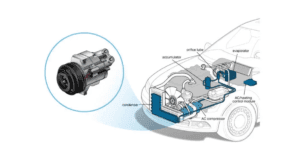 My car’s AC had been making strange noises for weeks, but I ignored them. Eventually, the air stopped cooling altogether, and I ended up sweating through traffic while trying to diagnose the issue.
After replacing the compressor, I realized how many warning signs I had missed. This guide explains the most common signs of a bad car AC compressor, how to identify them early, repair options, costs, and what to look for when buying replacement parts.
Whether you drive an older sedan, SUV, pickup truck, or modern hybrid, understanding compressor symptoms can save you time, money, and stress.
What Does a Car AC Compressor Do?
Before diving into symptoms, it helps to understand the compressor’s role. The AC compressor pressurizes and circulates refrigerant through the air conditioning system. It works together with components like:
- Condenser
- Evaporator
- Expansion valve
- Refrigerant lines
- AC clutch
Without a functioning compressor, refrigerant cannot circulate properly, which means the AC system cannot cool the cabin.
Think of it like a heart pumping blood through the body. If the heart fails, the entire system suffers.
Most Common Signs of a Bad Car AC Compressor
Here are the major warning signs drivers should never ignore.
1. Warm Air Instead of Cold Air
This is usually the first symptom most people notice. When your compressor starts failing, the AC system may lose its ability to cool refrigerant effectively. As a result:
- Air feels mildly cool at first
- Cooling becomes inconsistent
- Eventually, only warm air blows
In my experience, the cooling performance often declines gradually before complete failure.
Possible Causes
- Compressor clutch failure
- Internal compressor wear
- Refrigerant circulation issues
- Compressor seizure
If your refrigerant level is full but the air still feels warm, the compressor may be the problem.
2. Loud Noises When AC Is On
A healthy compressor should operate quietly. If you hear:
- Grinding
- Squealing
- Clicking
- Rattling
- Metal-on-metal noises. The compressor may have internal damage. This happened in my vehicle shortly before the system failed. The sound resembled a worn bearing or loose pulley.
Why It Happens
Inside the compressor are bearings, pistons, valves, and moving components. Over time:
- Bearings wear out
- Internal components loosen
- Lubrication breaks down
Once metal parts begin grinding together, failure often follows quickly.
3. AC Compressor Clutch Not Moving
The AC clutch engages and disengages the compressor. A failing clutch may:
- Refuse to engage
- Stay stuck engaged
- Engage intermittently
You can usually inspect this visually while the engine runs.
Symptoms of Clutch Failure
- AC works occasionally
- Clicking sounds
- Compressor pulley spins, but clutch does not
- No cooling at idle
Sometimes the clutch alone can be replaced instead of the entire compressor.
4. Refrigerant Leaks
Compressors can develop leaks around:
- Seals
- Hoses
- O-rings
- Shaft bearings
Signs include:
- Oily residue near AC components
- Hissing sounds
- Weak cooling performance
Low refrigerant levels place extra strain on the compressor, accelerating wear.
5. Dashboard Warning Lights
Modern vehicles may trigger:
- Check engine light
- AC warning indicators
- Climate control fault messages
This doesn’t always mean the compressor itself is bad, but it can indicate:
- Pressure problems
- Electrical failures
- Sensor issues linked to the compressor
A diagnostic scan tool can help identify fault codes.
6. Compressor Seizing
A seized compressor is one of the worst-case scenarios. When this happens:
- The pulley may stop spinning
- The serpentine belt can squeal
- Engine performance may suffer
- Belt damage may occur
In severe cases, the vehicle may become unsafe to drive.
Comparison Table: Healthy vs Bad AC Compressor Symptoms
| Feature | Healthy Compressor | Bad Compressor |
| Air Temperature | Cold and consistent | Warm or inconsistent |
| Noise Level | Quiet operation | Grinding or rattling |
| Clutch Movement | Smooth engagement | Intermittent or stuck |
| Refrigerant Pressure | Stable | Irregular |
| Cabin Cooling | Fast cooling | Weak cooling |
| Fuel Efficiency | Normal | May decrease |
| Belt Condition | Smooth operation | Squealing possible |
| AC Performance at Idle | Stable | Weak at stoplights |
Why AC Compressors Fail
Several factors can shorten compressor lifespan.
Lack of Refrigerant
Low refrigerant means reduced lubrication. Without enough oil circulation:
- Bearings wear faster
- Internal temperatures rise
- Components grind together
Dirty Condenser
A clogged condenser increases pressure inside the system. Excess pressure stresses the compressor continuously.
Electrical Problems
Faulty:
- Relays
- Fuses
- Wiring
- Sensors
can prevent proper compressor operation.
Age and Wear
Most compressors eventually wear out. Average lifespan:
- 8–12 years
- 100,000–150,000 miles
Driving conditions heavily affect longevity.
Moisture Contamination
Water inside the AC system creates corrosion and internal damage. This often occurs if:
- The system is opened improperly
- Vacuum procedures are skipped
- Leaks remain untreated
Early Symptoms Most Drivers Ignore
Many compressor failures give warning signs months in advance. Here are subtle symptoms people often overlook:
- Slight drop in cooling performance
- Weak airflow at idle
- Occasional clicking sounds
- AC takes longer to cool the cabin
- Intermittent cold air
- Mild vibration from the dashboard
Catching problems early can prevent complete compressor failure.
How Mechanics Diagnose a Bad Compressor
Professional diagnosis usually includes several tests.
Visual Inspection
Mechanics inspect:
- Belt condition
- Clutch movement
- Refrigerant leaks
- Oil residue
Pressure Testing
AC manifold gauges measure:
- High-side pressure
- Low-side pressure
Abnormal readings can indicate compressor problems.
Electrical Testing
Technicians test:
- Voltage supply
- Clutch engagement
- Sensor signals
Noise Diagnosis
Experienced mechanics often identify failing bearings simply by listening carefully.
Comparison Table: Compressor Problems vs Other AC Issues
| Symptom | Compressor Issue | Refrigerant Leak | Blower Motor Issue |
| Warm Air | Yes | Yes | Sometimes |
| Loud Grinding | Common | Rare | Rare |
| Weak Airflow | Rare | Rare | Common |
| Clicking Sounds | Common | Rare | Possible |
| Compressor Clutch Failure | Yes | No | No |
| Cabin Fan Not Working | No | No | Yes |
| Refrigerant Pressure Problems | Yes | Yes | No |
Can You Drive With a Bad AC Compressor?
Technically, yes,s but it depends on the severity.
If the Compressor Is Only Weak
You may still drive temporarily. However:
- Cooling performance declines
- Fuel economy may worsen
- Failure can spread debris through the system
If the Compressor Is Seized
Driving becomes risky. Possible consequences:
- Broken serpentine belt
- Engine overheating
- Loss of alternator function
- Power steering problems
At that point, immediate repair is recommended.
How Much Does AC Compressor Replacement Cost?
Costs vary depending on:
- Vehicle type
- Compressor brand
- Labor rates
- Additional damaged parts
Average Costs
| Repair Type | Estimated Cost |
| Compressor Clutch Replacement | $200–$500 |
| Compressor Replacement | $700–$1,500 |
| Luxury Vehicle Repair | $1,500–$3,000 |
| Refrigerant Recharge | $100–$300 |
| Full AC System Flush | $150–$400 |
Luxury and hybrid vehicles usually cost more.
OEM vs Aftermarket Compressors
Choosing the right replacement matters.
OEM Compressors
Advantages
- Better fitment
- Reliable performance
- Manufacturer-tested
Disadvantages
- Expensive
Aftermarket Compressors
Advantages
- Lower cost
- Wider availability
Disadvantages
- Quality varies greatly
I personally prefer high-quality aftermarket brands from reputable manufacturers when OEM pricing becomes excessive.
Buyer’s Guide: Choosing the Right AC Compressor
Replacing a compressor is expensive, so selecting the correct part matters.
1. Check Vehicle Compatibility
Always verify:
- Make
- Model
- Engine size
- Production year
Small differences matter.
2. Buy From Reputable Brands
Trusted manufacturers generally provide:
- Better durability
- Warranty protection
- Cleaner machining
- Better seals
Cheap, unknown brands often fail prematurely.
3. Consider Warranty Coverage
A good compressor should include:
- At least 1-year warranty
- Ideally, 2–3 years
Some premium brands offer limited lifetime coverage.
4. Inspect Included Components
Some compressors include:
- Clutch
- Oil
- Seals
- O-rings
Others require separate purchases.
5. Replace Supporting Components
When replacing a failed compressor, many mechanics also recommend:
- Receiver drier
- Expansion valve
- Refrigerant flush
Skipping these may shorten compressor life.
6. Avoid Used Compressors
Used compressors are risky because:
- Internal wear is unknown
- Contamination may exist
- Lifespan is unpredictable
A remanufactured unit from a trusted supplier is usually safer.
Signs You Need Immediate Repair
Do not delay service if you notice:
- Burning smell from vents
- Loud metal grinding
- Smoke from the engine bay
- Serpentine belt squealing
- Compressor locking up
These symptoms can lead to larger engine-related problems.
My Personal Experience With Compressor Failure
In my case, the compressor failed gradually over several months. First, the air wasn’t as cold during stop-and-go traffic. Then I noticed occasional clicking sounds when turning on the AC. Eventually, the compressor began rattling loudly every time it engaged.
I initially assumed the issue was low refrigerant, but a recharge didn’t solve the problem. Within weeks:
- Cooling stopped completely
- The pulley squealed loudly
- The clutch intermittently failed
The final repair included:
- New compressor
- Receiver drier
- System flush
- Refrigerant recharge
The repair wasn’t cheap, but afterward the cooling performance felt better than it had in years. The biggest lesson? Early symptoms matter.
How to Extend Compressor Lifespan
Preventive care makes a huge difference.
Run the AC Regularly
Even during winter:
- Run AC for 10–15 minutes weekly
- Keeps seals lubricated
- Prevents internal drying
Fix Leaks Quickly
Small refrigerant leaks eventually damage the compressor.
Replace Cabin Air Filters
Restricted airflow can strain the entire system.
Keep Condenser Clean
Remove:
- Dirt
- Leaves
- Debris
from the condenser regularly.
Avoid Overcharging Refrigerant
Too much refrigerant raises pressure and damages components. Always follow manufacturer specifications.
Common Misdiagnoses
Many drivers incorrectly assume every AC issue means compressor failure. Possible alternative causes include:
- Low refrigerant
- Bad blower motor
- Faulty relay
- Clogged expansion valve
- Electrical sensor issues
Proper diagnosis matters before replacing expensive components.
Is Compressor Repair Better Than Replacement?
Sometimes.
Repair May Work If:
- Only the clutch failed
- A minor seal leak exists
- Internal damage is limited
Replacement Is Better If:
- Compressor seized
- Metal debris contaminated system
- Internal components failed
Most severe failures require full replacement.
Hybrid and Electric Vehicle Compressor Issues
Modern hybrid and EV compressors differ from traditional systems. Many uses:
- Electrically driven compressors
- High-voltage systems
These require specialized repair procedures. Never attempt DIY repairs on hybrid AC systems without proper training.
DIY vs Professional Repair
DIY Pros
- Lower labor costs
- Educational experience
DIY Cons
- Refrigerant handling laws
- Specialized tools required
- Risk of contamination
- Incorrect charging problems
Most compressor replacements are best handled professionally.
Environmental Considerations
AC refrigerants can harm the environment if released improperly. Professional shops use:
- Recovery machines
- Recycling systems
- Proper disposal methods
Avoid venting refrigerant illegally.
Read More: What Is A Car Antenna For
FAQs: Signs Car AC Compressor Is Bad
How do I know if my car’s AC compressor is bad?
Common symptoms include:
- Warm air
- Loud noises
- Clutch failure
- Refrigerant leaks
- Weak cooling performance
Can a bad compressor damage the engine?
Indirectly, yes. A seized compressor can damage the serpentine belt, affecting:
- Alternator
- Water pump
- Power steering
How long does an AC compressor last?
Most last:
- 8–12 years
- 100,000–150,000 miles
Maintenance greatly affects lifespan.
Is it expensive to replace an AC compressor?
Yes. Average repair costs range from:
- $700 to $1,500
Luxury vehicles can exceed $2,000.
Can low refrigerant damage the compressor?
Absolutely. Low refrigerant reduces lubrication and increases internal wear.
Can I replace only the compressor clutch?
Sometimes. If the compressor internals remain healthy, clutch-only replacement may work.
What happens if I ignore compressor problems?
Ignoring symptoms can lead to:
- Total AC failure
- Belt damage
- System contamination
- Higher repair costs
Why is my AC compressor making noise?
Usually due to:
- Worn bearings
- Internal damage
- Loose components
- Clutch failure
Can a bad compressor cause poor fuel economy?
Yes. A struggling compressor can place additional load on the engine.
Should I buy OEM or aftermarket compressors?
OEM offers better reliability, while quality aftermarket brands can provide strong value at lower cost.
Final Thoughts
A failing AC compressor rarely dies without warning. In most cases, the system gives multiple clues long before total failure occurs. Strange noises, weak cooling, intermittent performance, and clutch issues should never be ignored.
After dealing with compressor failure personally, I now pay much closer attention to subtle AC performance changes. Catching the issue early could have saved me hundreds of dollars and prevented additional system damage.
The good news is that modern AC systems are highly repairable when diagnosed properly. Whether you choose OEM or aftermarket parts, professional installation and regular maintenance can restore your vehicle’s cooling performance for years to come.
If your car’s air conditioning suddenly stops keeping you cool, the compressor may be trying to tell you something important.