If you’ve ever driven a car, you’ve used a gearbox even if you didn’t realize it. Every time your car speeds up smoothly, climbs a hill, or cruises comfortably on the highway, the gearbox is quietly doing an important job behind the scenes.
But how does a gearbox actually work in a car? At first glance, a gearbox may sound complicated. Terms like gears, ratios, torque converters, clutches, and transmissions can feel overwhelming.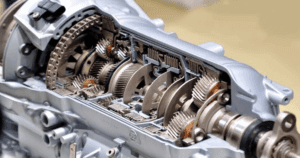 The good news is that the basic idea is surprisingly simple. A gearbox controls how power from the engine reaches the wheels. It helps your car move efficiently at different speeds without overworking the engine.
Think of it like riding a bicycle. When you shift gears on a bike, pedaling becomes easier uphill or faster on flat roads. A car gearbox works in a very similar way, only much more advanced.
In this detailed guide, we’ll break everything down in simple language. Whether you’re a complete beginner, a car enthusiast, or someone planning to buy a vehicle, this article will help you understand:
- What a gearbox does
- How manual and automatic gearboxes work
- Different types of transmissions
- Common gearbox problems
- Maintenance tips
- Which gearbox type is best for you
- Buying advice
- Frequently asked questions
Let’s dive in.
What Is a Gearbox in a Car?
A gearbox, also called a transmission, is a mechanical system that transfers engine power to the wheels using different gear ratios.
The engine in a car produces power continuously, but the wheels need different amounts of force depending on the situation:
- More force when starting from a stop
- Moderate force when city driving
- Less force but more speed on highways
The gearbox adjusts this balance. Without a gearbox:
- The engine would struggle at low speeds
- Fuel efficiency would be poor
- Driving would feel rough and inefficient
- The engine could overheat or stall
The gearbox ensures the engine stays in its ideal operating range.
Simple Explanation of How a Gearbox Works
Imagine your engine spinning extremely fast all the time. The wheels, however, need different speeds depending on driving conditions.
The gearbox acts like a middleman between:
- The engine
- The wheels
It changes gear ratios to:
- Increase torque
- Reduce engine strain
- Improve speed control
- Enhance fuel economy
Lower gears provide:
- More pulling power
- Better acceleration
- Easier hill climbing
Higher gears provide:
- Better fuel efficiency
- Lower engine RPM
- Smoother highway driving
Main Components of a Gearbox
Understanding the key parts makes the whole system easier to grasp.
1. Input Shaft
The input shaft receives power from the engine.
2. Countershaft
This shaft contains gears that work with the output shaft gears.
3. Output Shaft
The output shaft sends power to the wheels.
4. Gears
Different-sized gears create different speed and torque ratios.
5. Clutch (Manual Cars)
The clutch disconnects engine power temporarily so gears can change smoothly.
6. Synchronizers
These help gears engage smoothly without grinding.
7. Gear Selector
This allows the driver or transmission system to choose gears.
How Gear Ratios Work
Gear ratio determines how many times the engine rotates compared to wheel rotation. For example:
| Gear | Purpose | Result |
| 1st Gear | Maximum power | Strong acceleration |
| 2nd Gear | Moderate power | Faster movement |
| 3rd Gear | Balanced driving | City cruising |
| 4th Gear | Efficient speed | Highway driving |
| 5th/6th Gear | Fuel saving | Low RPM cruising |
Lower gears:
- Higher torque
- Lower speed
Higher gears:
- Lower torque
- Higher speed
How a Manual Gearbox Works
A manual transmission requires the driver to change gears manually using:
- A clutch pedal
- A gear stick
Step-by-Step Manual Gearbox Process
Step 1: Pressing the Clutch
When you press the clutch pedal:
- Engine power disconnects from the gearbox
- Gears can change safely
Step 2: Selecting a Gear
Moving the gear stick selects a specific gear pair.
Step 3: Releasing the Clutch
As you release the clutch:
- Power reconnects
- The chosen gear transfers power to the wheels
The process repeats every time you shift.
Advantages of Manual Gearboxes
Better Driver Control
Manual cars offer more engagement and precise control.
Lower Purchase Cost
Manual transmissions are usually cheaper.
Lower Repair Costs
Repairs are often simpler and less expensive.
Better Fuel Economy (Older Cars)
Older manual cars typically consumed less fuel.
Disadvantages of Manual Gearboxes
- Requires more skill
- Difficult in heavy traffic
- Clutch wear over time
- Less convenient for beginners
How an Automatic Gearbox Works
Automatic transmissions shift gears automatically without driver input. Instead of a clutch pedal, they use:
- Torque converters
- Hydraulic systems
- Sensors
- Electronic controls
Step-by-Step Automatic Gearbox Process
Step 1: Torque Converter Transfers Power
The torque converter replaces the clutch. It transfers engine power smoothly using transmission fluid.
Step 2: Sensors Monitor Driving Conditions
The system monitors:
- Vehicle speed
- Engine RPM
- Throttle position
Step 3: Transmission Chooses the Best Gear
The computer selects the ideal gear automatically.
Step 4: Hydraulic Pressure Engages Gears
Hydraulic systems activate the proper gear set. The process happens continuously while driving.
Manual vs Automatic Gearbox Comparison
| Feature | Manual Gearbox | Automatic Gearbox |
| Driving Ease | Requires skill | Very easy |
| Fuel Economy | Often better in older cars | Excellent in modern cars |
| Maintenance Cost | Lower | Higher |
| Driving Fun | More engaging | More comfortable |
| Traffic Comfort | Tiresome | Convenient |
| Purchase Price | Cheaper | More expensive |
| Repair Complexity | Simpler | Complex |
| Learning Curve | Steeper | Beginner-friendly |
Types of Car Gearboxes
Modern cars use several gearbox designs.
1. Manual Transmission
Traditional driver-operated gearbox. Best for:
- Enthusiasts
- Budget buyers
- Rural driving
2. Automatic Transmission (AT)
Uses planetary gears and hydraulic systems. Best for:
- Daily commuting
- City driving
- Comfort
3. CVT (Continuously Variable Transmission)
Uses pulleys instead of fixed gears.
Benefits:
- Smooth acceleration
- Excellent fuel efficiency
Drawbacks:
- Less sporty feel
- Some drivers dislike the “rubber band” sensation
4. Dual-Clutch Transmission (DCT)
Uses two clutches for lightning-fast gear changes.
Benefits:
- Fast shifting
- Sporty performance
- Efficient power delivery
Drawbacks:
- Expensive repairs
- Sometimes jerky at low speeds
5. Semi-Automatic Transmission
Allows automatic operation with optional manual control.
Popular in:
- Sports cars
- Performance vehicles
Why Cars Need Multiple Gears
Engines operate best within certain RPM ranges. A single gear would create problems:
- Poor acceleration
- High fuel consumption
- Engine stress
Multiple gears allow:
- Smooth starts
- Better climbing ability
- Efficient cruising
- Reduced engine wear
What Happens If a Gearbox Fails?
Gearbox failure can become extremely expensive. Common symptoms include:
Grinding Noises
May indicate worn synchronizers or damaged gears.
Delayed Gear Changes
Common in automatic transmissions.
Slipping Gears
The transmission unexpectedly changes gears.
Burning Smell
Usually caused by overheated transmission fluid.
Fluid Leaks
Low transmission fluid can destroy the gearbox.
Vibrations
Can indicate internal damage.
Common Causes of Gearbox Problems
| Cause | Effect |
| Low transmission fluid | Overheating |
| Aggressive driving | Premature wear |
| Ignoring maintenance | Internal damage |
| Towing overload | Excessive heat |
| Clutch abuse | Manual gearbox wear |
How to Maintain a Gearbox
Proper maintenance can dramatically extend gearbox life.
Check Transmission Fluid
Healthy fluid:
- Clean
- Bright
- Proper level
Dirty fluid can damage internal components.
Change Fluid Regularly
Follow manufacturer recommendations.
Typical intervals:
- 30,000 to 60,000 miles
Avoid Aggressive Driving
Hard launches and sudden shifts increase wear.
Warm Up in Cold Weather
Cold transmission fluid flows poorly.
Fix Leaks Immediately
Even small leaks can become major failures.
Signs You Need Gearbox Repair
Watch for:
- Gear slipping
- Warning lights
- Strange noises
- Harsh shifting
- Delayed acceleration
- Fluid puddles
Ignoring symptoms usually increases repair costs.
How Long Does a Gearbox Last?
With good maintenance:
- Manual gearboxes: 150,000–300,000 miles
- Automatic gearboxes: 100,000–250,000 miles
Driving habits matter greatly.
Manual Gearbox Driving Tips
Don’t Ride the Clutch
Keeping your foot partially on the clutch causes wear.
Shift Smoothly
Avoid forcing gears.
Use Correct Gears
Don’t lug the engine in high gears.
Automatic Gearbox Driving Tips
Come to Full Stops Before Changing Direction
Switching from reverse to drive while moving stresses components.
Avoid Excessive Heat
Heat is the biggest automatic transmission enemy.
Service Regularly
Fluid condition is critical.
The Evolution of Car Gearboxes
Gearboxes have evolved significantly.
Early Cars
Early vehicles used very basic manual systems.
Modern Cars
Today’s transmissions feature:
- Electronic controls
- AI-assisted shifting
- Multiple driving modes
- Advanced efficiency optimization
Some modern cars now have:
- 8-speed automatics
- 10-speed automatics
- Intelligent adaptive transmissions
Electric Cars and Gearboxes
Most electric vehicles don’t use traditional multi-speed gearboxes.
Why?
Electric motors produce instant torque over a wide RPM range.
This eliminates the need for many gears.
However:
- Some EVs still use single-speed reduction gears
- High-performance EVs may use multi-speed systems
Are Automatic Gearboxes Better Than Manual?
It depends on your priorities.
Choose Manual If You Want:
- More driving involvement
- Lower repair costs
- Simpler mechanics
Choose Automatic If You Want:
- Convenience
- Smooth commuting
- Easier city driving
Modern automatics are now extremely efficient.
Buyer’s Guide: Choosing the Right Gearbox
Buying a car means choosing the right transmission for your lifestyle.
Best for City Driving
Automatic or CVT transmissions are ideal.
Why?
- Easier in traffic
- Less fatigue
- Smooth operation
Best for Highway Driving
Modern automatics perform excellently on highways. Benefits:
- Better fuel economy
- Lower RPM cruising
Best for Performance Enthusiasts
Dual-clutch transmissions or manuals offer exciting driving dynamics.
Best for Budget Buyers
Manual gearboxes are often cheaper:
- Lower purchase cost
- Lower maintenance expenses
Best for New Drivers
Automatic transmissions are easier to learn.
Gearbox Maintenance Cost Comparison
| Gearbox Type | Maintenance Cost | Repair Complexity |
| Manual | Low | Moderate |
| Automatic | Moderate to High | High |
| CVT | Moderate | High |
| DCT | High | Very High |
My Personal Take on Modern Gearboxes
After driving both manual and automatic cars over the years, one thing becomes obvious: modern transmissions are incredibly advanced compared to older systems.
Manual cars still offer a unique connection between driver and machine. There’s satisfaction in perfectly timing a downshift or controlling the car directly.
But modern automatic transmissions deserve a lot of credit. They shift faster, improve fuel efficiency, and make everyday driving dramatically easier.
For daily commuting, especially in traffic-heavy areas, automatics are hard to beat. For pure driving enjoyment, manuals still have loyal fans.
The best gearbox ultimately depends on how and where you drive.
Read More: Car AC Compressor Cost
FAQs: How Does A Gearbox Work In A Car
What does a gearbox do in a car?
A gearbox changes gear ratios to control how engine power reaches the wheels. It helps balance speed, torque, and fuel efficiency.
Is a gearbox the same as a transmission?
Yes. The terms “gearbox” and “transmission” are often used interchangeably.
Which gearbox is best?
There is no single best gearbox.
- Manual: better control and lower cost
- Automatic: easier driving
- CVT: fuel efficiency
- DCT: sporty performance
How long does a gearbox last?
A well-maintained gearbox can last over 200,000 miles.
Can you drive with a bad gearbox?
Driving with gearbox problems is risky and may cause severe damage.
Why do automatic transmissions fail?
Common reasons include:
- Low fluid
- Overheating
- Poor maintenance
- Internal wear
Do electric cars have gearboxes?
Most EVs use single-speed transmissions instead of traditional multi-speed gearboxes.
Is manual better than automatic?
It depends on preference.
Manual:
- More engaging
- Cheaper repairs
Automatic:
- Easier
- More convenient
How often should transmission fluid be changed?
Typically, every 30,000–60,000 miles, depending on manufacturer recommendations.
What causes gearbox overheating?
Common causes:
- Low fluid
- Heavy towing
- Aggressive driving
- Hot weather
Final Thoughts
The gearbox is one of the most important systems in any car. Without it, engines couldn’t efficiently deliver power to the wheels across different driving conditions.
While gearboxes may seem intimidating at first, the core concept is simple:
- Lower gears provide power
- Higher gears provide efficiency
Whether you drive a manual, automatic, CVT, or dual-clutch vehicle, the gearbox constantly works behind the scenes to balance performance, comfort, and fuel economy.
Understanding how a gearbox works not only makes you a more informed driver, but it can also help you maintain your vehicle better, avoid costly repairs, and choose the right car for your needs.
Modern transmissions continue to evolve rapidly, especially with the rise of hybrid and electric vehicles. But regardless of technology, the gearbox remains a key part of how cars move efficiently and smoothly every day.