If you’ve ever stepped into your car on a blazing summer afternoon and instantly felt cool air hitting your face, there’s one small component you probably never thanked the car AC evaporator coil.
Most drivers know about compressors, refrigerants, or cabin filters, but the evaporator coil quietly does one of the most important jobs in your vehicle’s air conditioning system. Without it, your AC would simply blow warm air and make summer drives unbearable.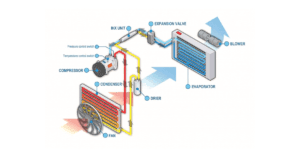 I recently had to deal with an evaporator coil issue in my own car after noticing weak cooling and a strange musty smell coming through the vents. At first, I thought it was just low refrigerant or a dirty cabin air filter.
Turns out, the evaporator coil was partially clogged and starting to corrode. That experience pushed me to learn far more about this component than I ever expected.
This guide combines personal experience, practical insights, and technical knowledge in a simple and readable format. Whether you’re trying to diagnose AC problems, planning a replacement, or just curious about how your car’s cooling system works, this article covers everything.
What Is a Car AC Evaporator Coil?
The evaporator coil is a heat exchanger located inside your car’s dashboard, usually hidden deep behind the center console. Its main job is to absorb heat from the cabin air. Here’s the simple version:
- Refrigerant enters the evaporator coil as a cold liquid.
- The blower fan pushes warm cabin air over the coil.
- The coil absorbs the heat.
- Cool air blows through the vents.
- Moisture from the air condenses on the coil and drains outside the car.
That tiny puddle of water under your parked car on a hot day? That’s usually condensation from the evaporator coil.
Why the Evaporator Coil Matters So Much
Many people assume the compressor is the “heart” of the AC system. While that’s partly true, the evaporator coil is where the actual cooling experience happens.
A healthy evaporator coil provides:
- Faster cabin cooling
- Better airflow
- Cleaner air quality
- Reduced humidity
- Improved passenger comfort
- Better fuel efficiency indirectly
When the evaporator coil starts failing, the whole AC system feels weak and inefficient.
My Personal Experience With a Faulty Evaporator Coil
A few months ago, my car’s AC started acting strangely. At first:
- Cooling became inconsistent
- Airflow felt weaker
- A damp smell appeared occasionally
Then things got worse:
- AC stopped cooling during traffic
- Windows fogged up easily
- The cabin felt humid
I initially replaced the cabin air filter. No improvement. Next, I checked refrigerant levels. They were fine. Finally, the mechanic inspected the evaporator coil using a small inspection camera. The coil had:
- Dirt buildup
- Mold growth
- Early corrosion signs
The repair wasn’t cheap because accessing the evaporator coil required removing much of the dashboard. But once replaced, the cooling performance became dramatically better. The difference honestly shocked me:
- Air became ice cold faster
- Airflow improved
- Bad odors disappeared completely
That experience made me realize how overlooked this component really is.
Signs Your Car AC Evaporator Coil Is Failing
Here are the most common symptoms you should never ignore.
1. Weak Cooling Performance
This is usually the first sign. If your AC:
- Takes too long to cool
- Blows mildly cool air
- Struggles in hot weather
…the evaporator coil could be dirty or leaking.
2. Bad Smell From AC Vents
A moldy or musty odor often means:
- Moisture buildup
- Mold growth on the evaporator
- Dirty coil surfaces
This is extremely common in humid climates.
3. Reduced Airflow
Even when the blower motor works properly, clogged evaporator fins can restrict airflow. You may notice:
- Weak vent pressure
- Uneven cooling
- Airflow noise changes
4. Water Leaking Inside the Cabin
If the evaporator drain gets blocked, condensation can leak onto:
- Passenger floor mats
- Carpet areas
- Under-dashboard sections
This can create long-term interior damage.
5. AC Compressor Cycling Frequently
A damaged evaporator can disrupt refrigerant pressure, causing:
- Compressor short cycling
- Reduced efficiency
- Increased engine load
Comparison Table: Healthy vs Faulty Evaporator Coil
| Feature | Healthy Evaporator Coil | Faulty Evaporator Coil |
| Cooling Speed | Fast and consistent | Slow or uneven |
| Airflow | Strong and smooth | Weak or restricted |
| Cabin Smell | Fresh air | Musty or moldy odor |
| Humidity Control | Excellent | Poor |
| Compressor Performance | Stable | Frequent cycling |
| Fuel Efficiency | Better AC efficiency | AC system works harder |
| Noise Levels | Quiet operation | Hissing or airflow noise |
| Maintenance Needs | Minimal | Frequent repairs |
Types of Car AC Evaporator Coils
Not all evaporator coils are built the same.
Aluminum Evaporator Coils
Most modern vehicles use aluminum coils because they:
- Resist corrosion better
- Are lightweight
- Offer good heat transfer
Pros
- Affordable
- Efficient
- Commonly available
Cons
- Can crack over time
- Sensitive to contamination
Copper Evaporator Coils
Older vehicles may use copper.
Pros
- Easier to repair
- Excellent thermal conductivity
Cons
- More expensive
- Heavier
- Can corrode faster
How Long Does an Evaporator Coil Last?
On average:
- 8 to 15 years
- Around 100,000–150,000 miles
But lifespan depends heavily on:
- Climate
- Maintenance
- Air quality
- Humidity
- Driving habits
Cars in humid or dusty areas usually experience faster evaporator wear.
Common Causes of Evaporator Coil Failure
1. Dirt and Dust Accumulation
Over time:
- Dust blocks airflow
- Cooling efficiency drops
- Moisture gets trapped
This eventually creates mold and corrosion.
2. Moisture Buildup
Evaporators constantly deal with condensation. If drainage becomes poor:
- Water sits on the coil
- Corrosion increases
- Mold develops
3. Refrigerant Leaks
Tiny leaks can damage the coil internally. Signs include:
- Oily residue
- Reduced cooling
- Hissing sounds
4. Corrosion
Chemical contaminants in the air can slowly corrode metal surfaces. This is especially common in:
- Coastal areas
- Polluted cities
- High-humidity regions
Evaporator Coil Cleaning: Is It Worth It?
Absolutely. A professional cleaning can dramatically improve:
- Cooling performance
- Air quality
- System lifespan
In many cases, cleaning solves problems before replacement becomes necessary.
DIY vs Professional Cleaning
DIY Cleaning
You can use:
- AC foam cleaners
- Cabin vent sprays
- Coil disinfectants
Good For:
- Mild odor problems
- Basic maintenance
Not Good For:
- Severe clogs
- Leaks
- Internal corrosion
Professional Cleaning
Mechanics use:
- Specialized chemicals
- Pressure equipment
- Inspection tools
This is far more effective.
Comparison Table: Cleaning vs Replacement
| Factor | Cleaning | Replacement |
| Cost | Low | High |
| Time Required | 1–2 hours | 6–12 hours |
| Effectiveness | Good for minor issues | Best for major damage |
| Improves Cooling | Yes | Completely restores |
| Removes Leaks | No | Yes |
| Removes Corrosion | Limited | Completely |
| Recommended For | Dirt and odor | Cracks and leaks |
Evaporator Coil Replacement Cost
This is where things get painful. The part itself may not be extremely expensive, but labor costs are high because mechanics often need to remove:
- Dashboard
- Glove box
- AC housing components
Average Cost Estimates
| Vehicle Type | Estimated Cost |
| Small Sedan | $500–$900 |
| SUV | $700–$1400 |
| Luxury Vehicle | $1200–$2500 |
Labor usually accounts for most of the expense.
Is Replacement Worth It?
In most cases, yes. If your car:
- Is otherwise reliable
- Has strong engine performance
- Still holds good value
…then replacing the evaporator coil can restore comfort for years. However, if your vehicle is extremely old and already facing major repairs, you may reconsider.
Best Brands for Replacement Evaporator Coils
Some brands consistently offer better reliability.
Denso
Known for:
- OEM quality
- Excellent durability
- Strong cooling efficiency
Valeo
Popular in European vehicles.
Strengths
- Precision engineering
- Long lifespan
Four Seasons
A solid aftermarket option.
Good For
- Budget-friendly replacements
- Widely available parts
UAC (Universal Air Conditioner)
Popular in Asian and domestic vehicles.
Benefits
- Affordable
- Decent performance
What I Liked After Replacing My Evaporator Coil
After replacement, I noticed:
Immediate Cooling
The cabin cooled almost twice as fast.
Better Airflow
The vents felt noticeably stronger.
Cleaner Air
No more weird smells.
Less Humidity
Windows stopped fogging up.
Quieter Operation
The blower sounded smoother and less strained.
Honestly, it made the car feel newer.
Downsides of Evaporator Coil Repairs
To keep things realistic, there are frustrations too.
Expensive Labor
Dashboard removal is labor-intensive.
Time-Consuming
My car stayed at the workshop for nearly two days.
Cheap Parts Can Fail Quickly
Low-quality aftermarket coils may:
- Leak early
- Corrode faster
- Reduce cooling efficiency
Buyer’s Guide: Choosing the Right Car AC Evaporator Coil
Here’s what actually matters when buying one.
1. Compatibility
Always check:
- Vehicle make
- Model
- Year
- Engine type
Even small mismatches can create installation problems.
2. OEM vs Aftermarket
OEM Parts
Advantages
- Perfect fit
- Factory-level performance
Disadvantages
- More expensive
Aftermarket Parts
Advantages
- Affordable
- More options
Disadvantages
- Quality varies heavily
3. Material Quality
Aluminum coils generally offer:
- Better corrosion resistance
- Lightweight construction
Look for anti-corrosion coatings if possible.
4. Warranty Coverage
A good evaporator coil should include:
- At least 1-year warranty
- Leak protection coverage
Longer warranties usually indicate better confidence from manufacturers.
5. Brand Reputation
Avoid unknown brands with:
- No reviews
- Suspiciously low prices
- Poor fitment reputation
6. Professional Installation Support
Some brands provide:
- Installation instructions
- Technical support
- Better packaging
This reduces installation mistakes.
Maintenance Tips to Extend Evaporator Coil Life
Replace Cabin Air Filters Regularly
Dirty filters force contaminants onto the coil. Recommended interval:
- Every 12,000–15,000 miles
Run the AC Frequently
Even in winter, running the AC helps:
- Lubricate seals
- Prevent moisture stagnation
Clean Air Vents
Dust entering vents eventually reaches the evaporator.
Fix Refrigerant Leaks Early
Small leaks become major repairs if ignored.
Use AC Disinfectant Sprays
These help reduce:
- Mold growth
- Odors
- Bacteria accumulation
Can a Bad Evaporator Coil Affect Fuel Economy?
Indirectly, yes. When the AC system struggles:
- Compressor works harder
- Engine load increases
- Fuel efficiency drops slightly
A healthy AC system operates more efficiently overall.
Is It Safe to Drive With a Bad Evaporator Coil?
Usually yes, but comfort and visibility suffer. Potential issues include:
- Poor cooling
- Foggy windows
- Mold exposure
- Water leakage inside cabin
Long-term neglect can damage other AC components too.
How Mechanics Diagnose Evaporator Coil Problems
Professional diagnostics may include:
UV Dye Testing
Detects refrigerant leaks.
Pressure Testing
Checks system performance.
Inspection Cameras
Used to inspect hidden evaporator surfaces.
Electronic Leak Detectors
Find tiny refrigerant leaks.
Can You Repair an Evaporator Coil Instead of Replacing It?
Sometimes, but usually replacement is preferred. Small leaks may be repaired temporarily, but:
- Repairs often don’t last long
- Corrosion usually spreads
- Labor costs repeat later
Most mechanics recommend replacement for long-term reliability.
Warning Signs You Shouldn’t Ignore
Seek inspection immediately if you notice:
- Sweet chemical smell
- Oily residue
- Sudden cooling loss
- Water dripping inside cabin
- Persistent mold odor
These can indicate serious evaporator problems.
Final Verdict: Is the Car AC Evaporator Coil Important?
Absolutely. The evaporator coil is one of the most critical parts of your car’s air conditioning system, yet most drivers never think about it until something goes wrong.
After dealing with evaporator problems personally, I can confidently say:
- A healthy coil dramatically improves comfort
- Proper maintenance saves money
- Early cleaning prevents expensive repairs
While replacement costs can be frustrating, the improvement in cooling performance and cabin comfort often makes it worthwhile.
If your AC feels weak, smells bad, or struggles during hot weather, don’t ignore the warning signs. The evaporator coil may be quietly asking for attention.
Read More: How To Read an Engine Oil Dipstick
FAQs: Car AC Evaporator Coil
What does a car AC evaporator coil do?
It absorbs heat from cabin air and helps produce cold air through the AC vents.
How do I know if my evaporator coil is bad?
Common signs include:
- Weak cooling
- Musty odors
- Water leaks
- Reduced airflow
- AC cycling issues
Can a dirty evaporator coil be cleaned?
Yes. Professional cleaning can restore airflow and cooling performance if damage isn’t severe.
How expensive is evaporator coil replacement?
Typically between $500 and $2500 depending on the vehicle and labor requirements.
How long does an evaporator coil last?
Usually 8–15 years with proper maintenance.
Can I drive with a leaking evaporator coil?
You can, but cooling performance will worsen and refrigerant loss may damage other AC components.
Why does my AC smell bad?
Mold and bacteria often grow on dirty evaporator coils due to moisture buildup.
Is evaporator coil replacement difficult?
Yes. It often requires dashboard removal and extensive labor.
Does replacing the evaporator coil improve cooling?
Absolutely. Many drivers notice significantly faster and colder airflow afterward.
Should I choose OEM or aftermarket evaporator coils?
OEM offers better fitment and reliability, while quality aftermarket brands can save money if chosen carefully.
Conclusion
The car AC evaporator coil may stay hidden behind your dashboard, but its role in cabin comfort is massive. Whether you’re battling weak airflow, unpleasant odors, or rising repair costs, understanding this component helps you make smarter maintenance decisions.
My own experience taught me that ignoring early AC symptoms only leads to bigger expenses later. Regular cleaning, timely inspections, and quality replacement parts can keep your vehicle cool and comfortable for many years.
If there’s one takeaway from this entire guide, it’s this: Don’t wait until your AC completely fails before paying attention to the evaporator coil.