If you’ve ever looked under your car’s hood or read about engine components, you may have come across the term EGR valve. It’s not the most famous part of a vehicle, but it plays a surprisingly important role in keeping your engine efficient and environmentally friendly.
The EGR valve (Exhaust Gas Recirculation valve) helps reduce harmful emissions by sending a small amount of exhaust gas back into the engine’s combustion chamber. This process lowers engine temperature and reduces the production of harmful gases released into the air.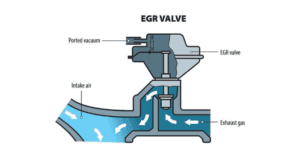 At first glance, the system sounds complicated, but understanding what an EGR valve does and why it matters can help you diagnose engine issues, improve fuel efficiency, and avoid costly repairs.
In this guide, I’ll break down how an EGR valve works, its benefits, common problems, and how to choose the right replacement if needed. I’ll also share practical insights from real-world driving and maintenance experience so you can understand this component without needing to be a mechanic.
What Is an EGR Valve?
An EGR valve is a component in your vehicle’s emission control system that redirects a portion of exhaust gases back into the engine’s intake system.
Instead of allowing all exhaust gases to leave through the exhaust pipe, the EGR valve recirculates some of them into the combustion chamber. This process helps:
- Reduce engine combustion temperatures
- Lower nitrogen oxide (NOx) emissions
- Improve fuel efficiency in certain driving conditions
- Support environmental emission standards
The EGR system is especially important in modern vehicles designed to meet strict environmental regulations.
Why Cars Use an EGR Valve
When fuel burns in an engine, temperatures can reach extremely high levels. At these temperatures, nitrogen and oxygen combine to form nitrogen oxides (NOx), which contribute to air pollution and smog.
The EGR valve reduces this problem by introducing inert exhaust gases back into the combustion chamber. This lowers the oxygen concentration and combustion temperature, reducing harmful emissions.
Think of it like cooling down the engine’s combustion process without sacrificing performance.
Quick Comparison: EGR Valve vs Other Emission Components
| Feature | EGR Valve | Catalytic Converter | PCV Valve |
| Main Purpose | Reduce NOx emissions | Convert harmful gases | Control crankcase pressure |
| Location | Between intake and exhaust | In the exhaust system | On the engine valve cover |
| How It Works | Recirculates exhaust gas | Uses catalysts to clean exhaust | Recirculates engine vapors |
| Impact on Performance | Helps control combustion temperature | Minimal engine impact | Improves engine ventilation |
| Maintenance Need | Can clog over time | Long lifespan | Occasionally replaced |
Each of these components works together to reduce vehicle emissions and improve engine efficiency.
How an EGR Valve Works
The EGR system operates automatically based on engine conditions. Here’s a simplified breakdown of the process:
Step 1: Engine Produces Exhaust Gas
During combustion, the engine generates hot exhaust gases that normally exit through the exhaust system.
Step 2: EGR Valve Opens
Under certain driving conditions, usually when cruising,g the EGR valve opens.
Step 3: Exhaust Gas Is Redirected
A small amount of exhaust gas flows back into the intake manifold.
Step 4: Combustion Temperature Drops
The recirculated gas reduces oxygen levels and cools the combustion process.
Step 5: Emissions Are Reduced
Lower combustion temperatures mean fewer nitrogen oxide emissions.
Types of EGR Valves
Not all EGR valves are the same. Over the years, manufacturers have developed different designs.
1. Vacuum-Controlled EGR Valve
Older vehicles often use vacuum-operated valves. They rely on engine vacuum to open and close.
Pros
- Simple design
- Easy to repair
Cons
- Less precise control
2. Digital Electronic EGR Valve
Modern cars often use electronically controlled EGR valves. The car’s engine computer manages these valves.
Pros
- More accurate emission control
- Better fuel efficiency
Cons
- More expensive to replace
3. Linear EGR Valve
Linear EGR valves use a position sensor to regulate exhaust flow precisely. They’re common in many newer vehicles.
Signs of a Bad EGR Valve
A faulty EGR valve can cause several noticeable problems. Common symptoms include:
Rough Idle
If the valve gets stuck open, exhaust gases enter the engine when they shouldn’t. This causes rough engine idle.
Poor Fuel Economy
A malfunctioning EGR system may disrupt the engine’s air-fuel mixture.
Engine Knocking
Without proper exhaust gas recirculation, combustion temperatures rise. This can cause engine knocking or pinging sounds.
Check Engine Light
Modern vehicles detect EGR problems and trigger a warning light.
Increased Emissions
A faulty valve can cause your car to fail emissions tests.
Common Causes of EGR Valve Failure
EGR valves can fail for several reasons.
Carbon Buildup
Over time, carbon deposits from exhaust gases accumulate in the valve. This buildup can prevent it from opening or closing properly.
Electrical Issues
Electronic valves may fail due to faulty sensors or wiring.
Engine Problems
Poor combustion or excessive soot can accelerate EGR clogging.
Real-World Experience With EGR Valve Problems
A few years ago, my car started idling roughly and occasionally stalled at traffic lights. At first, I suspected spark plugs or fuel injectors.
After a quick diagnostic scan, the issue turned out to be a clogged EGR valve. Cleaning the valve restored smooth engine performance almost immediately.
That experience taught me that even small components like the EGR valve can have a big impact on how your car runs.
Comparison: Clean vs Faulty EGR Valve
| Condition | Clean EGR Valve | Faulty or Clogged EGR Valve |
| Engine Performance | Smooth acceleration | Rough running |
| Fuel Economy | Efficient | Reduced mileage |
| Emissions | Low emissions | High NOx output |
| Idle Quality | Stable idle | Rough or stalling |
| Engine Temperature | Controlled | Higher combustion temps |
Regular maintenance keeps the EGR valve functioning properly.
Buyer’s Guide: Choosing the Right EGR Valve
If your EGR valve needs replacement, choosing the correct one is important. Here’s what to consider.
1. Vehicle Compatibility
Always check that the valve matches:
- Your vehicle’s make and model
- Engine size
- Model year
Using the wrong valve can cause engine errors.
2. OEM vs Aftermarket Parts
OEM (Original Equipment Manufacturer)
Pros
- Exact factory fit
- Reliable performance
Cons
- Higher price
Aftermarket EGR Valves
Pros
- Lower cost
- Widely available
Cons
- Quality may vary
3. Electronic vs Vacuum Valves
Make sure you choose the correct valve type for your vehicle. Modern engines almost always use electronic EGR valves.
4. Build Quality
Look for valves made from:
- Heat-resistant metal
- High-quality electrical connectors
- Durable seals
5. Warranty
Reliable manufacturers often offer 1–2 year warranties.
Can You Drive With a Bad EGR Valve?
Technically, yes, but it’s not recommended. Driving with a faulty EGR valve can cause:
- Engine knocking
- Reduced fuel economy
- Increased emissions
- Potential engine damage
Fixing the issue early is usually inexpensive compared to major engine repairs.
How to Clean an EGR Valve
Cleaning can sometimes restore the valve’s function. Basic steps include:
- Locate the EGR valve
- Remove it carefully
- Spray it with carburetor or EGR cleaner
- Remove carbon deposits with a soft brush
- Reinstall the valve
Always consult your vehicle’s service manual before attempting repairs.
How Often Should an EGR Valve Be Replaced?
EGR valves don’t have a strict replacement interval, but many last 70,000 to 100,000 miles. Regular maintenance and engine cleaning can extend their lifespan.
Read More: What Does A Gearbox Do In A Car
FAQs: What Does An EGR Valve Do
What does an EGR valve do?
The EGR valve recirculates exhaust gases into the engine to reduce combustion temperature and harmful emissions.
Can a bad EGR valve damage the engine?
Yes. If ignored, it can lead to overheating, knocking, and reduced engine performance.
How much does an EGR valve cost?
Replacement typically costs between $150 and $400, including labor.
Can you clean an EGR valve instead of replacing it?
In many cases, yes. Cleaning carbon buildup can restore normal function.
What happens if the EGR valve is stuck open?
A stuck-open valve can cause rough idle, stalling, and poor acceleration.
What happens if the EGR valve is stuck closed?
Combustion temperatures increase, leading to engine knocking and higher emissions.
Final Thoughts
The EGR valve might not be the most visible part of your engine, but it plays a critical role in reducing emissions, improving efficiency, and maintaining proper combustion temperatures.
Understanding what an EGR valve does can help you diagnose engine issues earlier and keep your car running smoothly.
Regular maintenance, occasional cleaning, and timely replacement when necessary will ensure this small component continues doing its big job, keeping your engine cleaner and more efficient.