Modern cars are packed with features designed to make driving more comfortable, but one small component often gets overlooked: the cabin air filter. Most drivers forget it even exists until the air inside the vehicle starts smelling musty, airflow becomes weak, or allergies suddenly get worse during the drive.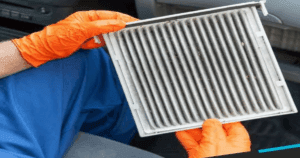 The good news? Replacing a cabin air filter is one of the easiest and cheapest car maintenance tasks you can do yourself.
In many vehicles, the entire process takes less than 15 minutes and requires little or no tools. Even if you’ve never worked on a car before, this is an ideal beginner-friendly DIY project.
In this complete guide, you’ll learn:
- What a cabin air filter does
- Signs it needs replacement
- How to replace it step-by-step
- Common mistakes to avoid
- Best cabin air filter types
- Buyer’s guide
- Maintenance tips
- Frequently asked questions
Let’s get started.
What Is A Cabin Air Filter?
A cabin air filter cleans the air that enters your car’s interior through the heating and air conditioning system. It traps:
- Dust
- Pollen
- Dirt
- Mold spores
- Smoke particles
- Road debris
- Air pollutants
Without a clean cabin filter, contaminated air can circulate inside your car and reduce HVAC performance.
Most cabin filters are located behind the glove box, under the dashboard, or beneath the hood near the windshield.
Why Replacing Your Cabin Air Filter Matters
Many drivers ignore the cabin filter because it doesn’t directly affect engine performance. However, it has a huge impact on comfort and air quality. A dirty cabin filter can cause:
- Weak airflow from vents
- Foggy windows
- Bad odors
- Increased allergy symptoms
- Reduced AC efficiency
- HVAC system strain
Regular replacement keeps the air fresh and helps your climate control system work properly.
Signs Your Cabin Air Filter Needs Replacement
Here are the most common warning signs.
1. Weak Airflow From Vents
If the fan is running normally but less air comes out, the filter may be clogged.
2. Bad Smells Inside The Car
A dirty filter can trap moisture, bacteria, and mold, causing unpleasant odors.
3. Increased Dust In Cabin
More dust collecting on dashboards and seats may indicate the filter isn’t working properly.
4. Loud HVAC Fan Noise
When airflow is restricted, the blower motor may work harder and sound louder.
5. Allergy Symptoms While Driving
Sneezing or watery eyes inside the car may mean the filter is no longer trapping pollen effectively.
How Often Should You Replace A Cabin Air Filter?
Most manufacturers recommend replacing the cabin air filter every:
- 12,000 to 15,000 miles
OR - Once per year
However, replacement intervals depend on driving conditions.
Replace More Often If You:
- Drive in dusty areas
- Commute in heavy traffic
- Live in polluted cities
- Frequently use AC
- Drive near construction zones
- Have pets
- Suffer from allergies
Cabin Air Filter Types Comparison
| Filter Type | Best For | Advantages | Disadvantages |
| Basic Particle Filter | Everyday driving | Affordable, simple | Limited odor protection |
| Activated Carbon Filter | City driving | Removes smells and pollutants | Slightly more expensive |
| HEPA Cabin Filter | Allergy sufferers | Excellent filtration | Higher cost |
| Electrostatic Filter | Dust-heavy environments | Improved particle capture | Less common |
| Washable Cabin Filter | Long-term savings | Reusable | Requires cleaning maintenance |
Tools You May Need
Most vehicles require very few tools. Possible tools include:
- Phillips screwdriver
- Flathead screwdriver
- Flashlight
- Owner’s manual
- Replacement cabin air filter
Some cars need no tools at all.
How To Replace Car Cabin Air Filter: Step-By-Step
Step 1: Locate The Cabin Air Filter
The filter is usually found in one of three places:
Behind The Glove Box
Most common location.
Under The Dashboard
Usually on the passenger side.
Under The Hood
Near the windshield cowl. Check your owner’s manual if unsure.
Step 2: Empty The Glove Box
If the filter sits behind the glove compartment:
- Remove all items first
- Prevent contents from spilling during removal
Step 3: Remove The Glove Box Stops
- Most glove boxes have side tabs or dampener arms.
- Gently press inward to release the stops and lower the glove box.
- Some vehicles use screws instead.
Step 4: Remove The Cabin Filter Cover
You’ll usually see a rectangular plastic cover. Unclip or unscrew it carefully. Avoid forcing brittle plastic tabs.
Step 5: Slide Out The Old Filter
Pull the old filter straight out. Pay attention to:
- Airflow direction arrows
- Filter orientation
The old filter may contain:
- Dust
- Leaves
- Bugs
- Dirt
- Hair
Some filters become extremely clogged after years of neglect.
Step 6: Clean The Filter Housing
Before installing the new filter:
- Wipe debris from housing
- Vacuum loose dirt if possible
This helps improve airflow and cleanliness.
Step 7: Install The New Cabin Air Filter
Insert the new filter in the same direction as the old one. Match the airflow arrow correctly. Incorrect installation reduces effectiveness.
Step 8: Reattach The Cover
Secure the cabin filter door or panel. Make sure clips lock properly.
Step 9: Reinstall The Glove Box
Lift the glove box back into place. Reconnect any dampener arms or tabs.
Step 10: Test The HVAC System
Turn on:
- AC
- Heater
- Fan speeds
Check for:
- Strong airflow
- Reduced odor
- Smooth operation
You should notice immediate improvement.
My Personal Experience Replacing A Cabin Air Filter
The first time I replaced a cabin air filter, I expected it to be complicated. Surprisingly, it took less than ten minutes.
The biggest shock was seeing how dirty the old filter had become. It was packed with leaves, dust, and dark debris. After installing the new filter, the airflow felt noticeably stronger, and the musty smell inside the car disappeared almost instantly.
Since then, replacing the cabin air filter has become part of my yearly maintenance routine because it’s inexpensive and makes the entire driving experience more pleasant.
Common Mistakes To Avoid
Installing The Filter Backward
Always follow the airflow arrows.
Buying The Wrong Size
Cabin filters vary by vehicle model. Double-check compatibility.
Forgetting To Clean The Housing
Debris left inside can contaminate the new filter quickly.
Ignoring Replacement Intervals
A severely clogged filter can strain the HVAC system.
Using Cheap Low-Quality Filters
Poor filters may restrict airflow or fail to trap contaminants effectively.
Cabin Air Filter Buyer’s Guide
Choosing the right cabin air filter matters more than many drivers realize.
Here’s what to consider.
1. Vehicle Compatibility
Always confirm:
- Year
- Make
- Model
- Engine type
Using the wrong filter can prevent proper installation.
2. Filter Material
Standard Filters
Good for basic dust protection.
Carbon Filters
Excellent for reducing odors and pollution.
HEPA Filters
Ideal for allergy sufferers and cleaner air.
3. Driving Environment
City Drivers
Activated carbon filters help remove exhaust odors.
Rural Drivers
Basic particle filters may be enough.
Allergy-Prone Drivers
HEPA-style filters offer better protection.
4. Brand Reputation
Trusted brands usually provide:
- Better filtration
- Improved durability
- Proper fitment
5. Price Range
Typical cabin filter prices:
| Filter Type | Average Cost |
| Basic Filter | $10–$20 |
| Carbon Filter | $20–$35 |
| HEPA Filter | $30–$50 |
Even premium filters are affordable compared to dealership labor costs.
DIY Replacement vs Professional Service
| DIY Replacement | Professional Service |
| Cheaper | More expensive |
| Usually under 15 minutes | Convenient |
| Beginner-friendly | No effort required |
| Learn basic maintenance | Labor fees added |
| Cost-effective | Often marked-up filter prices |
Many repair shops charge significantly more for a task that most owners can handle themselves.
Can A Dirty Cabin Filter Damage Your Car?
Indirectly, yes. A severely clogged cabin filter can:
- Restrict airflow
- Overwork the blower motor
- Reduce AC efficiency
- Increase HVAC wear
While it won’t destroy your engine, neglecting the filter can shorten HVAC component life.
Does Every Car Have A Cabin Air Filter?
Most modern vehicles do, but some older cars may not. Cabin air filters became common in vehicles during the late 1990s and early 2000s.
If unsure:
- Check the owner’s manual
- Search your vehicle model online
- Ask a parts store
Best Time To Replace A Cabin Air Filter
Good replacement times include:
- Before the summer AC season
- Before allergy season
- During annual maintenance
- After dusty road trips
Many drivers replace it every spring.
How Long Does Replacement Take?
For most vehicles:
- 5–15 minutes
Some luxury vehicles may require more disassembly.
Can You Clean A Cabin Air Filter Instead?
Most disposable filters should be replaced, not cleaned. Washable filters are the exception. Trying to clean paper filters usually reduces effectiveness.
Signs You Installed The Filter Incorrectly
Watch for:
- Reduced airflow
- Whistling sounds
- Rattling
- Poor fit
- HVAC noises
Double-check orientation and seating if problems occur.
Benefits Of Replacing Cabin Air Filters Regularly
Cleaner Interior Air
Reduces dust and allergens.
Better AC Performance
Improves airflow efficiency.
Less Odor
Helps eliminate musty smells.
Healthier Driving Environment
Especially helpful for allergy sufferers.
Improved Defrosting
Proper airflow helps clear windows faster.
Is A Cabin Air Filter The Same As An Engine Air Filter?
No. They serve different purposes.
| Cabin Air Filter | Engine Air Filter |
| Cleans the air for passengers | Cleans the air entering the engine |
| Located inside the HVAC system | Located near the engine intake |
| Improves cabin comfort | Protects engine performance |
| Filters dust and pollen | Filters dirt from the intake air |
Both are important maintenance items.
Environmental Impact Of Dirty Filters
Old filters collect pollutants and debris. Replacing them regularly helps maintain cleaner cabin air and more efficient HVAC operation. Some filters are recyclable depending on the materials used.
Read More: What Do Car Bushings Look Like
FAQs: How To Replace Car Cabin Air Filter
How much does it cost to replace a cabin air filter?
DIY replacement usually costs between $10 and $50, depending on filter type. Professional service may cost $50 to $120.
Can I drive with a dirty cabin air filter?
Yes, but airflow and air quality may suffer. Long-term neglect can strain HVAC components.
How often should cabin air filters be replaced?
Typically,y every 12,000–15,000 miles or once per year.
Do cabin air filters affect AC cooling?
Yes. A clogged filter can reduce airflow and make the AC feel weaker.
Are expensive cabin air filters worth it?
Premium filters with activated carbon or HEPA filtration can improve odor control and air quality.
Can a dirty cabin air filter cause bad smells?
Absolutely. Moisture and trapped debris can create moldy or musty odors.
Is replacing a cabin air filter easy?
In most vehicles, yes. It’s one of the easiest DIY car maintenance tasks.
Will replacing the filter improve airflow?
Usually yes. A fresh filter often restores stronger airflow immediately.
Can cabin air filters help with pollen allergies?
Yes. HEPA and high-quality filters can reduce pollen and airborne particles.
What happens if you never replace the cabin air filter?
Airflow may become restricted, odors may develop, and HVAC components may experience extra strain.
Final Thoughts
Replacing a car cabin air filter is one of the easiest and most rewarding DIY maintenance tasks you can do. It’s inexpensive, quick, beginner-friendly, and instantly improves cabin comfort.
Whether you’re dealing with weak airflow, unpleasant smells, or allergy problems, a fresh cabin filter can make a major difference.
For most drivers, replacing the filter once a year is a smart habit that keeps the HVAC system running efficiently and the interior air cleaner.
If you’ve never changed yours before, you’ll probably be surprised at how dirty the old filter looks and how much fresher your car feels afterward.