There’s nothing quite like switching on your car’s AC on a hot day… and getting blasted with warm air instead. If you’ve been there, chances are your AC condenser might be leaking, a surprisingly common issue that can sneak up on you.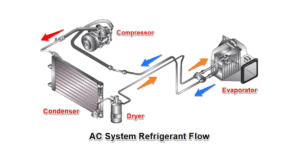 I’ve dealt with this firsthand. One summer, my AC slowly lost its cooling power over a few weeks. At first, I thought it just needed a recharge,e but nope. The real culprit?
A tiny leak in the condenser that ended up costing more than I expected. In this guide, I’ll break down:
- Real-world car AC condenser leak repair costs
- What affects pricing
- Repair vs replacement options
- A comparison table to simplify decisions
- A buyer’s guide for choosing parts and services
- Long-form insights into AC systems
- FAQs to answer common concerns
Let’s dive in.
Quick Comparison: AC Condenser Leak Repair Options
| Repair Option | Average Cost (USD) | Difficulty | Durability | Best For | My Verdict |
| AC Leak Sealant | $20 – $80 | Easy | Low | Minor temporary fixes | Short-term only |
| Professional Leak Repair | $150 – $400 | Medium | Medium | Small leaks | Good if caught early |
| Condenser Replacement (Aftermarket) | $300 – $700 | Medium–High | High | Moderate damage | Best value |
| Condenser Replacement (OEM) | $600 – $1200+ | High | Very High | Long-term reliability | Premium choice |
What Does the AC Condenser Actually Do?
The AC condenser is a critical component of your car’s air conditioning system. It sits at the front of the vehicle (near the radiator) and is responsible for:
- Converting refrigerant gas into a liquid
- Releasing heat outside the vehicle
- Helping maintain cool airflow inside the cabin
Think of it as the “heat exchanger” of your AC system.
Signs You Have a Condenser Leak
Before you start worrying about cost, here are some common symptoms:
- AC blowing warm or mildly cool air
- Visible refrigerant leaks (oily residue near front grille)
- Hissing sounds when AC is running
- AC system is losing pressure quickly
- Compressor cycling frequently
From experience, the slow loss of cooling is the biggest clue that it’s rarely sudden.
How Much Does It Cost to Fix a Car AC Condenser Leak?
Let’s break this down clearly.
1. DIY Leak Seal Fix ($20 – $80)
This is the cheapest option and also the riskiest.
What you get:
- A sealant injected into the AC system
- Temporary blockage of small leaks
My experience:
I tried this once. It worked… for about a month.
⚠️ Downside:
- Can clog AC components
- Not recommended for modern systems
2. Professional Leak Repair ($150 – $400)
If the leak is small and accessible, a technician might:
- Locate the leak using UV dye
- Seal or repair the damaged section
Pros:
- More reliable than DIY
- Less expensive than replacement
Cons:
- Not always possible (especially with aluminum condensers)
3. Full Condenser Replacement ($300 – $1200+)
This is the most common and effective solution.
Cost breakdown:
- Parts: $150 – $700
- Labor: $150 – $500
Why it’s expensive:
- Labor-intensive (front bumper removal in some cars)
- Requires refrigerant recharge
Real-world note:
In my case, the replacement cost around $550 total, and it solved everything permanently.
What Affects the Cost?
Several factors can change your final bill:
1. Car Make & Model
Luxury cars = higher parts and labor costs.
2. OEM vs Aftermarket Parts
- OEM = more expensive, longer-lasting
- Aftermarket = cheaper, variable quality
3. Labor Complexity
Some cars require removal:
- Bumper
- Radiator supports
4. Refrigerant Type
Newer refrigerants (like R1234yf) are more expensive than older ones.
5. Location
Labor rates vary widely depending on your region.
Repair vs Replacement: Which Should You Choose?
| Scenario | Best Option |
| Tiny leak, older car | Repair or sealant |
| Moderate leak | Professional repair |
| Major damage/corrosion | Replacement |
| Long-term ownership | OEM replacement |
👉 My honest advice: If your condenser is leaking, replacement is usually the smarter long-term move.
Buyer’s Guide: Choosing the Right AC Condenser Solution
1. Know Your Priorities
Ask yourself:
- How long will I keep this car?
- Do I want a temporary fix or a permanent solution?
2. OEM vs Aftermarket
OEM (Original Equipment Manufacturer)
- Perfect fit
- Longer lifespan
- Higher cost
Aftermarket
- More affordable
- Quality varies widely
👉 Tip: Choose a reputable aftermarket brand if on a budget.
3. Warranty Matters
Look for:
- At least 1-year warranty
- Coverage for defects
4. Compatibility Check
Always verify:
- Year
- Engine size
- Trim level
Even small differences can matter.
5. Installation Costs
Don’t forget:
- Refrigerant recharge
- Labor time
- Additional parts (O-rings, seals)
Deep Dive: Why AC Condensers Leak
From personal experience and mechanical insights, here are the main causes:
1. Road Debris Damage
Small rocks can puncture the condenser.
2. Corrosion
Moisture and salt gradually eat away at metal.
3. Wear and Tear
Over time, seals and joints degrade.
4. High Pressure
AC systems operate under high pressure any weak point can fail.
How to Prevent Future Leaks
- Avoid driving too close behind trucks (reduces debris impact)
- Keep the condenser clean and free of dirt
- Run AC regularly (even in winter)
- Check system pressure periodically
Real-World Experience: What I Learned
When my AC stopped cooling properly, I initially ignored it. Big mistake. What started as a minor leak turned into:
- Full refrigerant loss
- Compressor strain
- Higher repair costs
Lesson learned: Fix AC issues early; it saves money.
Read More: Signs Of A Bad Car AC Condenser
FAQs: Car AC Condenser Leak Repair Cost
1. Can you drive with a leaking AC condenser?
Yes, but your AC won’t work properly, and it may damage other components.
2. Is it worth repairing instead of replacing?
Only if the leak is small. Most cases require replacement.
3. How long does a condenser last?
Typically 8–12 years, depending on conditions.
4. Can I fix it myself?
DIY is possible but not recommended due to:
- Refrigerant handling
- Specialized tools
5. Why is refrigerant recharge expensive?
Because refrigerants (especially newer types) are costly and require proper handling.
6. Will insurance cover it?
Usually, no, unless caused by an accident.
7. How long does replacement take?
2–5 hours, depending on the car.
8. What happens if I ignore it?
You risk damaging the compressor, leading to much higher costs.
Final Verdict
A leaking AC condenser is one of those problems that starts small but can escalate quickly. While quick fixes like sealants may seem tempting, they rarely last.
From both an experience and a cost perspective:
- Short-term fix: Sealant or minor repair
- Best value: Aftermarket replacement
- Best long-term: OEM replacement
If your budget allows, go for a proper replacement; you’ll save money and headaches in the long run.