If you’ve ever had your car hesitate, stall, or refuse to start at the worst possible moment, there’s a good chance the fuel pump was the culprit. I learned this the hard way during a late-night grocery run: the engine was cranking, but nothing was happening.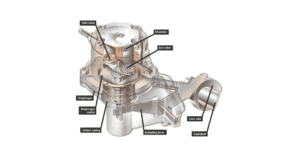 That small, hidden component inside your fuel tank? It’s more important (and expensive) than most people realize. In the U.S., fuel pump replacement costs can vary widely depending on your car, mechanic, and whether you choose OEM or aftermarket parts.
In this guide, I’ll walk you through real-world costs, comparisons, and practical advice so you can make the smartest decision possible.
What Does a Fuel Pump Actually Do?
In simple terms, the fuel pump delivers gasoline from your tank to the engine at the correct pressure.
No fuel pump = no fuel delivery
No fuel delivery = no engine power
It’s that critical.
Average Fuel Pump Replacement Cost in the USA
Let’s get straight to the numbers.
| Vehicle Type | Parts Cost | Labor Cost | Total Cost Range |
| Compact Cars | $100 – $350 | $200 – $400 | $300 – $750 |
| Sedans | $150 – $500 | $250 – $500 | $400 – $1,000 |
| SUVs | $250 – $700 | $300 – $600 | $550 – $1,300 |
| Pickup Trucks | $300 – $800 | $350 – $700 | $650 – $1,500 |
| Luxury Vehicles | $500 – $1,500+ | $400 – $900 | $900 – $2,400+ |
👉 National average: $500 – $1,200
👉 Dealership price: Usually 20–40% higher
My Personal Take: What Surprised Me Most
When I replaced my fuel pump, I expected a simple swap. Turns out, it wasn’t. Here’s what stood out:
- Labor costs were higher than expected
- Accessing the pump required extra work
- Cheap parts were tempting but risky
I chose a mid-range aftermarket pump instead of the OEM one, and it has held up perfectly so far. The key lesson? Don’t blindly go for the cheapest option.
What Affects Fuel Pump Replacement Cost?
1. Vehicle Make & Model
A basic sedan costs far less than a luxury SUV. Some cars have easy access panels, while others require dropping the fuel tank.
2. Labor Complexity
Labor is often 50% or more of the total cost. If the mechanic needs to remove the fuel tank, expect higher charges.
3. OEM vs Aftermarket Parts
- OEM (Original Equipment Manufacturer): Higher price, guaranteed fit
- Aftermarket: More affordable, but quality varies
4. Location in the USA
Labor rates differ significantly:
- Urban areas: Higher costs
- Rural areas: Lower costs
5. Additional Repairs
You might also need:
- Fuel filter replacement
- Fuel line cleaning
- Tank inspection
Warning Signs Your Fuel Pump Is Failing
Don’t ignore these symptoms:
- The engine sputters at high speed
- Trouble starting the car
- Sudden loss of power
- Whining noise from the fuel tank
- Frequent stalling
👉 If you notice multiple symptoms, acting on fuel pump failure quickly can leave you stranded.
Repair vs Replacement: What’s Worth It?
| Option | Cost | Longevity | Recommendation |
| Repair | Lower | Short-term fix | Not recommended |
| Replacement | Higher | Long-term fix | Best choice |
Fuel pumps are rarely repaired effectively. Replacement is the safer and smarter investment.
OEM vs Aftermarket Fuel Pumps
| Feature | OEM Pump | Aftermarket Pump |
| Price | Expensive | Budget-friendly |
| Quality | Excellent | Varies widely |
| Fit | Perfect | Usually good |
| Warranty | Strong | Limited (varies) |
| Availability | Dealer only | Widely available |
👉 My recommendation:
A high-quality aftermarket pump from a reputable brand offers the best balance between price and performance.
Buyer’s Guide: How to Choose the Right Fuel Pump
Choosing the wrong fuel pump can cost you twice, once now and again later.
1. Confirm Compatibility
Make sure the pump matches:
- Make and model
- Engine size
- Year
2. Choose Trusted Brands
Look for well-known aftermarket manufacturers rather than unknown, cheap options.
3. Check Warranty
At least a 6–12 month warranty is ideal.
4. Consider Complete Assemblies
Sometimes buying a full fuel pump module (not just the pump) is easier and more reliable.
5. Read Reviews
User feedback often reveals real-world performance.
6. Factor in Labor Costs
A cheaper pump with complicated installation can cost more overall.
Can You Replace a Fuel Pump Yourself?
Yes, but it’s not for beginners.
Pros:
- Saves $200–$700 in labor
- Great learning experience
Cons:
- Risk of fuel leaks
- Safety hazards
- Time-consuming
👉 My honest advice:
Unless you’re experienced, leave it to a professional mechanic.
How to Save Money on Fuel Pump Replacement
Here are practical ways to cut costs:
- Get multiple quotes from mechanics
- Buy your own parts (if the shop allows)
- Avoid the dealership unless necessary
- Replace related components together
- Schedule repair early (before total failure)
How Long Does a Fuel Pump Last?
Most fuel pumps last:
👉 100,000 to 150,000 miles
However, lifespan depends on:
- Fuel quality
- Driving habits
- Maintenance
What Happens If You Ignore a Bad Fuel Pump?
Ignoring the issue can lead to:
- Complete engine failure
- Unexpected breakdowns
- Higher towing and repair costs
It’s not a repair you want to delay.
Is Fuel Pump Replacement Worth It?
Absolutely, especially if your car is otherwise in good condition, compared to buying a new car, spending $500–$1,000 is often a smart investment.
Read More: How To Check My Oil In My Car
FAQs: Fuel Pump Replacement Cost
1. How much does a fuel pump replacement cost in the USA?
Typically between $500 and $1,200, depending on the vehicle and labor.
2. Can I drive with a bad fuel pump?
You can, but it’s risky. Your car may stall unexpectedly.
3. How long does replacement take?
Usually 2–4 hours, depending on vehicle complexity.
4. Is it cheaper to replace at home?
Yes, but only if you have the right tools and experience.
5. What’s the cheapest way to replace a fuel pump?
Use a reliable aftermarket part and an independent mechanic.
6. Does insurance cover fuel pump replacement?
Usually, no, it’s considered wear and tear.
7. Should I replace the fuel filter too?
Yes, it’s often recommended during replacement.
Final Thoughts:
If I had to do it again, I’d still skip the cheapest option and go for a reliable mid-range aftermarket pump. It’s the sweet spot between cost and durability.
Fuel pump replacement isn’t cheap, but it’s one of those repairs where cutting corners can cost you more in the long run.