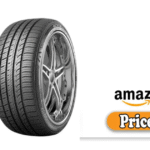
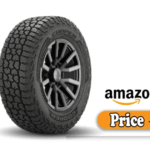
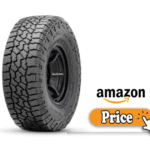
In the vast world of automotive tires, few names carry the consistent legacy of quality and value quite like Cooper Tires. Whether you’re cruising down a sunlit highway or tackling snowy terrain, the tires under your vehicle make a massive difference in how safe, smooth, and fuel-efficient your journey is.
But with so many options on the market, drivers are asking: Who makes Cooper Tires? And more importantly, are they any good? This guide explores the history, manufacturing, quality, and real-world performance of Cooper Tires.
We’ll break down what the brand offers, where it stands in today’s competitive market, and whether it’s the right choice for your vehicle.

What I Like About Cooper Tires
Let’s start with the positive, and there are quite a few.
1. American Heritage, Global Reach
Cooper Tires is one of the few tire brands with deep American roots, having been founded in 1914 in Akron, Ohio. Over the years, it’s maintained a reputation for producing reliable, no-nonsense tires that perform across a variety of vehicles and terrains.
2. Excellent Value for Money
Cooper is known for delivering premium performance at a mid-tier price point. You often get features seen in more expensive brands, like advanced tread design and silica-infused compounds, without the premium markup.
3. Wide Range of Applications
From compact cars to heavy-duty trucks, and from summer performance tires to rugged off-road all-terrains, Cooper covers nearly every segment. Their Discoverer, Evolution, and Zeon lines are standout examples in their categories.
4. Made in the USA (Largely)
Many Cooper tires are still manufactured in U.S. plants (in Ohio, Mississippi, and Arkansas), offering peace of mind to buyers who prioritize domestic manufacturing.
5. Strong Off-Road and All-Terrain Options
Cooper shines when it comes to light trucks, SUVs, and off-road vehicles. The Discoverer AT3, STT Pro, and Rugged Trek lines are praised for their grip, durability, and sidewall strength in rough conditions.
What Could Be Better
Despite Cooper’s strengths, there are a few areas where improvements could be made.
1. Limited High-Performance Options
While Cooper offers sporty tires like the Zeon RS3-G1, it doesn’t have a strong presence in the ultra-high-performance market like Michelin or Pirelli. Enthusiasts with track-day ambitions might want to look elsewhere.
2. Winter Tire Selection Is Modest
Although Cooper offers winter tires like the Discoverer Snow Claw, the selection is limited compared to brands like Nokian or Bridgestone. In harsh winter climates, this could be a factor.
3. OEM Presence Is Limited
Unlike Michelin or Continental, Cooper isn’t a major supplier for original equipment (OE) on new vehicles. That can make them less top-of-mind for some consumers.
4. Noise on Some All-Terrain Models
While the off-road grip is stellar, some all-terrain and mud-terrain tires can generate noticeable road noise, a trade-off common in the category but still worth noting. 👉🏿👉🏻 Check Latest Price and Offer at Amazon 👈🏻👈🏿
My Personal Experience
After driving on Cooper tires across different vehicles and terrains, I can confidently say they strike a solid balance between comfort, durability, and value.
Vehicle 1: 2017 Toyota Tacoma (Discoverer AT3 XLT)
Used for 60% highway and 40% off-road. These tires delivered impressive off-road grip and stability. On pavement, they felt planted but did create a low hum above 60 m, which is expected for A/T tires.
Vehicle 2: 2015 Ford Fusion (CS5 Ultra Touring)
Smooth ride, quiet at high speeds, and great cornering stability. Treadwear was excellent after 45,000 miles; they still had usable life left.
Vehicle 3: 2019 Jeep Grand Cherokee (Rugged Trek)
Used for snow and light trail use. These tires bit into icy trails with confidence and provided a firm, confident ride in wet and dry conditions.
Cooper tires are not flashy, but they work. They’re built with real-world performance in mind, especially for trucks and daily commuters.
Design
Cooper’s tire designs focus on function, not gimmick, which is refreshing in a market full of overhyped tread marketing.
Tread Engineering
- 3D Micro-Gauge Siping: Improves wet traction and tread block stability.
- Adaptive-Traction Technology: Featured in off-road models, enhancing grip across loose surfaces.
- Stabiledge Technology: Reduces tread block squirm for better high-speed stability.
Sidewall Features
Many off-road and truck tires have reinforced sidewalls with aggressive patterns and raised white lettering, enhancing both protection and appearance.
Aesthetic Appeal
While Cooper tires prioritize performance, many models like the Zeon and Discoverer series do offer sharp, aggressive designs that look good on trucks, SUVs, and sports sedans.
Performance
Let’s dive into how Cooper tires stack up in various conditions and use cases.
1. Dry Traction
Most Cooper tires offer solid dry grip, especially the Zeon and CS5 lines. The tread compound remains stable and responsive even during aggressive lane changes or highway speeds.
2. Wet Conditions
Cooper tires perform reliably in the rain. Features like wide circumferential grooves and silica-enhanced tread compounds help reduce hydroplaning.
3. Snow and Ice
While not leading the pack in winter, models like the Discoverer True North and Snow Claw provide reliable traction for light to moderate snow. Deep winter performance, however, is best handled by specialized brands.
4. Off-Road
This is where Cooper shines. The Discoverer STT Pro and AT3 XLT are built for rugged terrain with stone ejectors, sidewall armor, and deep tread blocks. They’re tough and dependable in mud, gravel, sand, and rocky trails.
5. Noise and Comfort
Touring tires like the CS5 Ultra Touring and Evolution Tour offer a quiet, plush ride, suitable for long-distance commuters. Off-road tires, naturally, generate more road noise.
Build Quality
Cooper’s reputation for quality is well-earned. Their tires are built using advanced processes and subject to rigorous testing.
Materials
- Silica-infused compounds improve flexibility and traction.
- Twin steel belts with nylon overlays enhance durability.
- Many models have polyester cord bodies for added ride comfort.
Manufacturing Standards
Cooper Tires are made under ISO-certified conditions. Most of their production takes place in U.S.-based facilities (Findlay, Ohio; Tupelo, Mississippi; and Texarkana, Arkansas), though some models are also produced internationally.
Warranty
Cooper offers strong mileage warranties:
- Up to 80,000 miles for touring models (e.g., CS5 Grand Touring)
- Around 45,000–55,000 miles for all-terrain models
- 45-day test drive guarantee
This shows they stand behind their product.
Alternative Options
Curious how Cooper stacks up against similar brands? Here’s a quick comparison:
| Brand | Strengths | Weaknesses | Price Tier |
| Michelin | Premium performance, longevity | Expensive | High |
| Falken | Great wet grip, budget-friendly A/Ts | Slightly less durable | Mid |
| BFGoodrich | Off-road beast, stylish | Costly | High |
| General Tire | Good value, solid A/Ts | Limited ultra-high performance | Mid |
| Firestone | Trusted brand, decent touring tires | Mixed reviews on tread life | Mid |
Verdict: If you’re looking for a brand with solid performance and reliability without the luxury markup, Cooper is hard to beat.
Read More: Who Makes AMP Tires
Final Thought
So, who makes Cooper Tires, and should you buy them?
The Short Answer:
Cooper Tires is owned by Goodyear Tire & Rubber Company, which acquired Cooper in 2021. Cooper continues to operate as a distinct brand but benefits from Goodyear’s vast R&D, distribution, and support network.
The Big Picture
Cooper Tires represent an excellent balance of American heritage, modern technology, and consumer-friendly pricing. They’re not the flashiest tires on the market, but they’re built to last, perform, and protect without emptying your wallet.
Are they worth it?
Yes, especially for:
- Truck and SUV owners
- Daily drivers need reliable all-season options.
- Budget-conscious consumers who don’t want to compromise safety
In short, Cooper Tires delivers where it counts.
FAQs: Who Makes Cooper Tires
1. Who owns Cooper Tires?
Cooper is a subsidiary of Goodyear Tire & Rubber Company, following a $2.5 billion acquisition finalized in 2021.
2. Are Cooper tires made in the USA?
Yes, many Cooper tires are manufactured in the United States, particularly in Ohio, Mississippi, and Arkansas. Some models are made abroad under Cooper’s quality standards.
3. Are the tires of good quality?
Absolutely. Cooper tires consistently score well in independent reviews for tread life, handling, and ride comfort, especially in the all-terrain and touring categories.
4. What is the warranty on Cooper tires?
Warranties vary by model:
- Up to 80,000 miles for touring tires
- Around 50,000 miles for A/T and performance tires
- Most include a 45-day satisfaction guarantee.
5. Do Cooper tires perform well in snow?
Select models, like the Discoverer Snow Claw and True North, are built for winter. Their all-season models can handle light snow but aren’t substitutes for winter-specific tires.
6. Are Cooper tires quiet?
Yes, especially the touring models like CS5 Ultra Touring. Off-road models will naturally produce more road noise.
7. Are Cooper tires good for off-road?
Definitely. Cooper’s Discoverer STT Pro, Rugged Trek, and AT3 XLT are among the best off-road tires in their price range.
8. Are Cooper tires better than Michelin?
Cooper offers better value for budget-conscious drivers. Michelin offers more premium performance and longer tread life. It depends on your needs and budget.
9. How long do Cooper tires last?
Cooper tires typically last between 40,000 and 80,000 miles, depending on the model and usage conditions.