When my car first started hesitating during acceleration, I assumed it was bad fuel. A week later, it stalled at a traffic light and wouldn’t restart. After a tow and diagnostic test, the mechanic gave me the verdict: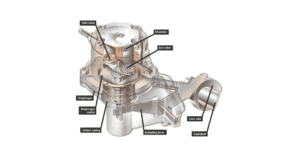 “Your fuel pump is failing.” At that moment, I realized how little I understood about one of the most important components in a vehicle. Since then, I’ve learned a lot, and today I’m breaking it all down in simple, easy-to-understand language.
If you’ve ever wondered:
- What does a fuel pump do?
- Where is it located?
- How long does it last?
- What are the warning signs?
- Is replacement expensive?
This guide will answer everything.
What Is a Fuel Pump in a Car?
A fuel pump is a mechanical or electrical device that delivers fuel from the gas tank to the engine at the proper pressure. Without it, your engine simply cannot run. Think of the fuel pump as the heart of your car’s fuel system.
It pumps gasoline (or diesel) to keep the engine alive. Modern vehicles typically use an electric fuel pump, while older vehicles used mechanical pumps mounted on the engine.
How a Fuel Pump Works (Simple Explanation)
Here’s what happens when you turn the key or push the start button:
- The ignition activates the fuel pump.
- The pump pulls fuel from the tank.
- Fuel travels through fuel lines.
- The fuel injectors spray fuel into the engine.
- Combustion occurwhen s your engine runs.
The pump maintains precise fuel pressure so your engine runs smoothly, efficiently, and safely.
If pressure drops?
The engine struggles.
If pressure stops?
The engine dies.
My Personal Experience with Fuel Pump Failure
Here’s exactly what I noticed before mine failed:
- Sluggish acceleration
- Engine sputtering at highway speeds
- Difficulty starting
- Occasional stalling
At first, the symptoms were subtle. Then they got worse. Replacement cost? Around $850 total (parts + labor).
That hurt, but ignoring it would’ve been worse. Lesson learned: Early diagnosis saves money.
Types of Fuel Pumps
There are two main types:
1. Mechanical Fuel Pump
Used in older carbureted vehicles.
- Mounted on the engine
- Driven by camshaft motion
- Simpler design
2. Electric Fuel Pump
Used in modern fuel-injected vehicles.
- Located inside the fuel tank
- Electrically powered
- Maintains high fuel pressure
- More efficient and reliable
Most cars today use electric fuel pumps.
Mechanical vs Electric Fuel Pump (Comparison Table)
| Feature | Mechanical Fuel Pump | Electric Fuel Pump |
| Location | Engine-mounted | Inside the fuel tank |
| Used In | Older cars | Modern vehicles |
| Pressure Output | Lower | Higher & precise |
| Efficiency | Moderate | High |
| Noise Level | Quiet | Slight humming sound |
| Maintenance | Easier access | More complex |
| Reliability | Good (older tech) | Very reliable |
Electric pumps provide better performance and fuel efficiency.
Signs of a Failing Fuel Pump
These symptoms are extremely common:
1. Engine Sputtering at High Speed
Fuel flow becomes inconsistent.
2. Loss of Power During Acceleration
The pump can’t deliver enough fuel.
3. Car Won’t Start
No fuel reaching the engine.
4. Whining Noise from Fuel Tank
High-pitched humming sound.
5. Sudden Engine Stall
Especially when fuel levels are low.
If you notice two or more of these signs, get it inspected immediately.
Where Is the Fuel Pump Located?
In most modern vehicles:
- Inside the fuel tank
- Submerged in gasoline for cooling
Older vehicles:
- Mounted near the engine block
Submerged electric pumps stay cooler and last longer.
How Long Does a Fuel Pump Last?
Average lifespan:
- 100,000 to 150,000 miles
- 8 to 15 years (depending on driving habits)
However, lifespan depends heavily on maintenance and fuel habits.
What Causes Fuel Pump Failure?
From personal experience and mechanic advice, common causes include:
1. Driving on Empty
Low fuel overheats the pump.
2. Contaminated Fuel
Dirt and debris clog the pump.
3. Electrical Issues
Faulty wiring or relay.
4. Worn Internal Components
Normal wear and tear over time.
I used to drive with less than a quarter tank, which likely contributed to my failing early.
Fuel Pump Replacement Cost
Here’s what you can expect:
- Fuel pump part: $200 – $600
- Labor: $300 – $800
- Total average cost: $500 – $1,200
Luxury and performance vehicles cost more due to complex access.
Can You Drive with a Bad Fuel Pump?
Short answer: Not safely. A failing pump can:
- Stall your vehicle unexpectedly
- Leave you stranded
- Cause engine misfires
- Damage injectors over time
If symptoms appear, fix it soon.
Buyer’s Guide: Choosing the Right Fuel Pump
If you’re replacing your fuel pump, here’s what to consider.
1. OEM vs Aftermarket
- OEM (Original Equipment Manufacturer)
- More expensive
- Guaranteed fit
- Higher reliability
- Aftermarket
- More affordable
- Quality varies by brand
For long-term reliability, OEM is often worth it.
2. Compatibility
Always confirm:
- Make
- Model
- Year
- Engine size
- Fuel type (gasoline or diesel)
3. Flow Rate and Pressure Rating
Make sure it matches factory specifications. Too low = poor performance. Too high = engine damage risk.
4. Warranty
Look for:
- At least 1-year warranty
- Reputable manufacturer
5. Complete Assembly vs Pump Only
Some replacements include:
- Fuel level sensor
- Strainer
- Housing module
Complete assemblies cost more but simplify installation.
Fuel Pump Maintenance Tips
Here’s what I now do to protect my new pump:
- Keep fuel above ¼ tank
- Replace the fuel filter regularly
- Use quality fuel
- Avoid contaminated gas stations
- Address engine issues promptly
These simple habits can extend lifespan significantly.
Deep Technical Breakdown: Why Fuel Pressure Matters
Modern engines use electronic fuel injection systems. These systems require precise fuel pressure to:
- Atomize fuel correctly
- Maintain proper air-fuel ratio
- Reduce emissions
- Improve fuel economy
Too little pressure:
- Lean mixture
- Engine misfire
- Power loss
Too much pressure:
- Rich mixture
- Poor fuel economy
- Increased emissions
The fuel pump must maintain consistent pressure under all driving conditions.
Electric Fuel Pump Components Explained
Inside most modern systems, you’ll find:
- Pump motor
- Fuel strainer (filter sock)
- Pressure regulator
- Sending unit
- Electrical connectors
These components work together for smooth delivery.
DIY vs Professional Replacement
DIY Pros:
- Save $300–$800 in labor
- Educational experience
DIY Cons:
- Fuel tank removal is required in many cars
- Fire hazard risk
- Complex electrical connections
Unless experienced, professional installation is recommended.
What Happens If Fuel Pump Completely Fails?
When it fully fails:
- The engine won’t start
- No fuel pressure
- Vehicle becomes immobile
It rarely damages the engine directly, but it can leave you stranded.
Fuel Pump in Diesel vs Gasoline Engines
Diesel engines often use:
- Low-pressure pump
- High-pressure injection pump
Gasoline engines typically use:
- Single in-tank electric pump
Diesel systems are generally more complex.
Read More: What Is An AC Belt In A Car
FAQs: What Is Fuel Pump In Car
1. What does a fuel pump do in a car?
It sends fuel from the tank to the engine at the proper pressure.
2. How do I know if my fuel pump is bad?
Look for sputtering, stalling, hard starting, and whining noises.
3. Is fuel pump replacement expensive?
Yes, usually between $500–$1,200.
4. Can a bad fuel pump damage the engine?
Indirectly, yes, prolonged lean conditions can cause stress.
5. How long should a fuel pump last?
100,000–150,000 miles typically.
6. Does driving on low fuel damage the pump?
Yes, it can cause overheating and premature failure.
7. Can I replace it myself?
Possible, but often complicated due to fuel tank access.
8. What causes fuel pump relay failure?
Electrical wear, corrosion, overheating.
Final Thoughts: Is the Fuel Pump Important?
Absolutely critical. Your engine depends entirely on it. Without a functioning fuel pump, your vehicle is just a heavy piece of metal.
From my personal experience, early symptoms should never be ignored. Small hesitation today can become a stranded emergency tomorrow.
If your car feels sluggish, stalls unexpectedly, or struggles to start, don’t panic, but don’t ignore it either. A properly functioning fuel pump means:
- Smooth acceleration
- Reliable starting
- Better fuel efficiency
- Peace of mind
And in my opinion, that peace of mind is worth every penny.