When I first started driving, I thought the gearbox was just another complicated mechanical component hidden beneath the hood. Like many new drivers, I knew I had to shift gears, but I didn’t truly understand what was happening behind the scenes.
After driving vehicles equipped with manual, automatic, CVT, and dual-clutch transmissions over the years, I’ve come to appreciate how important the gearbox really is. In fact, it is one of the most critical systems in any vehicle.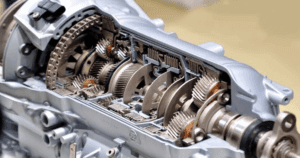 Without it, your engine would struggle to deliver power efficiently, fuel economy would suffer, and driving would become significantly more difficult.
In this guide, I’ll explain how a car gearbox works in simple terms, compare different gearbox types, discuss the advantages and disadvantages of each, and provide a practical buyer’s guide to help you choose the right transmission for your next vehicle.
What Is a Gearbox?
A gearbox, also known as a transmission, is a mechanical system that transfers power from the engine to the wheels.
The engine produces power within a limited range of revolutions per minute (RPM). However, vehicles need different levels of torque and speed depending on driving conditions.
For example:
- Starting from a standstill requires high torque.
- Highway cruising requires lower engine RPM.
- Climbing hills demands additional pulling power.
- Overtaking requires quick acceleration.
The gearbox changes gear ratios so the engine can operate efficiently while providing the required power to the wheels.
Think of a bicycle. When climbing a hill, you shift into an easier gear. When riding on flat roads, you shift into a higher gear for speed. A car gearbox performs the same function, just with much greater complexity.
Why Does a Car Need a Gearbox?
Without a gearbox:
- The engine would struggle to move the vehicle from a stop.
- Fuel consumption would increase dramatically.
- Engine wear would accelerate.
- Maximum speed would be limited.
- Driving would become uncomfortable.
A gearbox allows the engine to stay within its ideal operating range while delivering the correct amount of torque and speed.
Basic Components of a Gearbox
To understand how a gearbox works, it’s helpful to know its major components.
Input Shaft
Receives power from the engine.
Countershaft
Contains multiple gears connected to the input shaft.
Output Shaft
Transfers power from the gearbox to the driveshaft and wheels.
Gear Sets
Different-sized gears create different gear ratios.
Synchronizers
Allow smooth gear changes in modern manual transmissions.
Clutch
Disconnects the engine from the gearbox during gear changes.
Transmission Fluid
Lubricates and cools gearbox components.
How Does a Manual Gearbox Work?
A manual gearbox requires the driver to select gears using a gear lever and a clutch pedal. Here’s what happens:
Step 1: Engine Generates Power
The engine rotates the crankshaft.
Step 2: Clutch Transfers Power
When the clutch is engaged, power flows into the gearbox.
Step 3: Driver Selects a Gear
Moving the gear lever connects specific gears inside the transmission.
Step 4: Gear Ratio Changes
Different gear combinations alter torque and speed.
Step 5: Power Reaches Wheels
The output shaft sends power to the differential and wheels.
Understanding Gear Ratios
Gear ratios determine how many times the engine turns compared to the wheels.
First Gear
- Maximum torque
- Lowest speed
- Best for starting
Second and Third Gear
- Balanced acceleration
- Everyday city driving
Fourth and Fifth Gear
- Higher speed
- Improved fuel economy
Sixth Gear and Above
- Highway cruising
- Reduced engine RPM
How Does an Automatic Gearbox Work?
Automatic transmissions remove the need for manual gear changes. Instead of a clutch pedal, they use:
- Torque converter
- Hydraulic systems
- Planetary gear sets
- Electronic controls
The transmission automatically selects the best gear based on:
- Vehicle speed
- Engine load
- Throttle position
- Driving conditions
Modern automatic transmissions can shift faster and more smoothly than most drivers.
What Is a Torque Converter?
The torque converter replaces the clutch in automatic vehicles. Its main functions are:
- Transfer engine power
- Allow the vehicle to stop without stalling
- Multiply torque during acceleration
- Smooth gear changes
This fluid-based coupling makes automatic cars easier to drive in traffic.
How CVT Gearboxes Work
CVT stands for Continuously Variable Transmission. Unlike traditional gearboxes, a CVT doesn’t have fixed gears. Instead, it uses:
- Variable pulleys
- Steel belt or chain
The system continuously adjusts ratios for optimal performance.
Advantages
- Excellent fuel economy
- Smooth acceleration
- Simple operation
Disadvantages
- Less engaging driving experience
- Can feel unusual under hard acceleration
How Dual-Clutch Transmissions Work
Dual-Clutch Transmission (DCT) combines features of manual and automatic gearboxes.
It uses:
- One clutch for odd gears
- One clutch for even gears
While one gear is engaged, the next gear is already prepared. Benefits include:
- Extremely fast shifts
- Better fuel efficiency
- Enhanced performance
Many sports cars and premium vehicles use DCT systems.
Comparison Table: Types of Car Gearboxes
| Feature | Manual | Automatic | CVT | Dual-Clutch |
| Ease of Use | Moderate | Excellent | Excellent | Very Good |
| Fuel Economy | Very Good | Good | Excellent | Excellent |
| Maintenance Cost | Low | Medium | Medium | High |
| Driving Fun | Excellent | Good | Average | Excellent |
| Shift Speed | Driver Dependent | Fast | Continuous | Extremely Fast |
| Learning Curve | High | Very Low | Very Low | Low |
| Purchase Cost | Lowest | Higher | Medium | Highest |
| Traffic Comfort | Poor | Excellent | Excellent | Very Good |
My Personal Experience With Different Gearboxes
I’ve spent considerable time driving vehicles with every major transmission type.
Manual Transmission
The most engaging driving experience.
Pros:
- Complete control
- Lower maintenance costs
- More driver involvement
Cons:
- Tire some in heavy traffic
- Steeper learning curve
Automatic Transmission
Best overall for daily commuting.
Pros:
- Convenient
- Smooth operation
- Easy to learn
Cons:
- Higher repair costs
CVT
Impressive fuel efficiency.
Pros:
- Smooth power delivery
- Excellent economy
Cons:
- Less sporty feel
Dual-Clutch
Outstanding performance.
Pros:
- Lightning-fast shifts
- Sporty experience
Cons:
- More expensive repairs
Common Gearbox Problems
Like any mechanical system, gearboxes can develop issues.
Slipping Gears
The transmission unexpectedly changes gears.
Causes:
- Worn clutch
- Low fluid
- Internal wear
Grinding Noise
Usually indicates worn synchronizers or gears.
Delayed Shifting
Often caused by transmission fluid issues.
Fluid Leaks
Can lead to severe gearbox damage if ignored.
Burning Smell
May indicate overheating transmission fluid.
How to Maintain a Gearbox
Proper maintenance can extend gearbox life significantly.
Change Transmission Fluid
Follow manufacturer recommendations.
Avoid Aggressive Driving
Sudden acceleration increases wear.
Use Correct Fluid
Always use approved transmission fluid.
Service Regularly
Periodic inspections catch problems early.
Don’t Ignore Warning Signs
Small issues become expensive repairs.
Comparison Table: Manual vs Automatic Transmission
| Category | Manual | Automatic |
| Initial Cost | Lower | Higher |
| Fuel Economy | Good | Very Good |
| Maintenance | Cheaper | More Expensive |
| Driver Control | Excellent | Moderate |
| Traffic Comfort | Poor | Excellent |
| Learning Difficulty | High | Low |
| Resale Demand | Moderate | High |
| Long Trips | Good | Excellent |
Buyer’s Guide: Choosing the Right Gearbox
Selecting the right transmission depends on your driving style and needs.
Choose Manual If:
- You enjoy driving.
- You want maximum control.
- You want lower maintenance costs.
- You drive on open roads frequently.
Choose Automatic If:
- You commute daily.
- You drive in heavy traffic.
- Comfort is your priority.
- Multiple family members drive the car.
Choose CVT If:
- Fuel economy matters most.
- You primarily drive in cities.
- Smoothness is important.
Choose Dual-Clutch If:
- Performance is a priority.
- You enjoy spirited driving.
- Faster shifting appeals to you.
Which Gearbox Is Most Reliable?
Generally speaking:
- Traditional Manual Transmission
- Conventional Automatic Transmission
- CVT
- Dual-Clutch Transmission
Reliability varies significantly by manufacturer and maintenance history.
A well-maintained automatic transmission can easily exceed 200,000 miles.
Future of Car Gearboxes
The automotive industry is rapidly evolving. Electric vehicles are changing transmission design dramatically. Most EVs use:
- Single-speed gearboxes
- Simpler drivetrains
- Fewer moving parts
This reduces maintenance while improving efficiency. However, traditional gearboxes will remain important for gasoline and hybrid vehicles for many years.
Read More: Car AC Condenser Replacement Cost
FAQs: How Does A Car Gearbox Work
What is the main purpose of a gearbox?
A gearbox changes gear ratios to deliver the right balance of torque and speed while keeping the engine operating efficiently.
How many gears does a modern car have?
Most modern cars have between 5 and 10 forward gears, depending on the transmission design.
Which gearbox is best for beginners?
Automatic transmissions are generally best for beginners because they eliminate manual gear shifting and clutch operation.
Is a manual gearbox more fuel-efficient?
Historically, yes, but many modern automatic transmissions now match or exceed manual fuel efficiency.
How long does a gearbox last?
With proper maintenance, many gearboxes last 150,000 to 300,000 miles or more.
What causes gearbox failure?
Common causes include low transmission fluid, overheating, neglected maintenance, aggressive driving, and normal wear over time.
Can a gearbox be repaired?
Yes. Many gearbox issues can be repaired, although severe internal damage may require a complete rebuild or replacement.
What is the difference between a transmission and a gearbox?
In everyday automotive language, the terms are often used interchangeably. Technically, the gearbox is part of the broader transmission system.
Are CVT transmissions reliable?
Modern CVTs are more reliable than earlier designs, but reliability depends heavily on manufacturer quality and maintenance.
Do electric cars have gearboxes?
Most electric vehicles use a single-speed reduction gearbox rather than a traditional multi-speed transmission.
Which gearbox is best for city driving?
Automatic and CVT transmissions generally provide the most comfortable experience in stop-and-go traffic.
Is dual-clutch better than automatic?
For performance and shift speed, yes. For long-term simplicity and comfort, conventional automatics may be preferable.
Final Verdict
After driving countless vehicles over the years, I’ve learned that the gearbox is far more than just a collection of gears. It is the component that translates engine power into usable performance.
For most drivers, a modern automatic transmission offers the best combination of convenience, comfort, and efficiency. Enthusiasts may still prefer the engagement of a manual gearbox, while performance-focused drivers often gravitate toward dual-clutch systems.
Understanding how a gearbox works helps you become a better driver, make smarter buying decisions, and maintain your vehicle properly. Whether you’re purchasing your first car or upgrading to a new one, choosing the right transmission can dramatically affect your ownership experience.