Choosing the right tires for your vehicle isn’t just about size; it’s about safety, performance, comfort, and value. If you’ve been asking yourself, “Are Firestone tires good?”, you’re not alone. Firestone is one of the most recognized names in the tire industry, and for good reason.
With over 100 years in the business and a reputation for dependable performance, many drivers still wonder if Firestone tires are worth the investment today.
We’ll walk through what Firestone does well, where they could improve, real-world personal experiences, detailed insights into their design and performance, how they compare to competitors, and much more.

What I Like About Firestone Tires
1. Affordability Without Cutting Corners
One of Firestone’s most appealing traits is its price point. For budget-conscious drivers, Firestone offers high-quality tires at reasonable prices.
You’re not paying premium rates, but you’re still getting dependable performance, especially for daily commuting and highway driving.
2. Strong All-Season Capabilities
Firestone’s WeatherGrip and All-Season lines are reliable for varied weather. Whether it’s light snow, rain, or dry roads, they offer predictable traction and smooth handling.
3. Trusted Brand Heritage
Founded in 1900, Firestone has stood the test of time. It’s owned by Bridgestone, one of the largest and most technologically advanced tire manufacturers in the world. This means Firestone tires benefit from Bridgestone’s innovation and global testing standards.
4. Accessible Nationwide
Firestone tires are widely available, making them easy to find and install. From Firestone Complete Auto Care centers to major retailers like Costco, Walmart, and Tire Rack, you’re never far from a replacement set.
5. Decent Warranty Options
Most Firestone tires come with limited treadwear warranties ranging from 40,000 to 70,000 miles, depending on the model. This gives buyers added peace of mind.
What Could Be Better
1. Average Performance in High-Stress Conditions
While Firestone tires are solid for daily use, they don’t always excel in extreme weather or performance driving. For example, their winter tire options aren’t as dominant as brands like Michelin’s X-Ice or Bridgestone’s Blizzak.
2. Limited Innovation in Premium Segments
Firestone offers excellent value tires, but their lineup lacks ultra-premium performance or luxury options. If you’re driving a high-end sports car or luxury SUV, you may feel underwhelmed.
3. Noise Levels in Some Models
Some users report increased road noise, particularly with older or more budget-friendly models like the Firestone Firehawk AS. While not a dealbreaker, it’s something to consider if cabin quietness matters to you.
4. Wet Performance Could Improve
While their newer tires, like WeatherGrip, perform well in wet conditions, older models sometimes struggle with hydroplaning, especially as they wear down.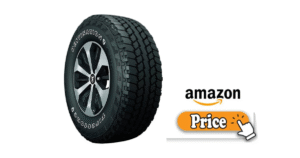 👉🏿👉🏻 Check the Latest Price and Offer at Amazon 👈🏻👈🏿
My Personal Experience with Firestone Tires
I’ve personally used Firestone Destination LE3 tires on a compact SUV for over 35,000 miles, and the experience has been mostly positive.
Installation and First Drive
The tires were installed at a Firestone Complete Auto Care center. The staff was knowledgeable a, nd didn’t push unnecessary services. Driving home, I immediately noticed a smoother and quieter ride compared to my worn OEM tires.
In the Rain and Snow
Handling in the rain was decent. While it wasn’t as grippy as premium Michelin or Bridgestone models, I never felt unsafe. In light snow, the Destination LE3 held its own, though I wouldn’t recommend it for deep winter conditions without switching to a dedicated snow tire.
Tread Wear and Durability
After 35,000 miles, the tread still looked good with even wear. I rotated them every 6,000 miles and didn’t experience any bulges, sidewall cracking, or flats. Given the price point, the performance was a pleasant surprise.
Design: Built with Practicality in Mind
Tread Design
Firestone’s tread designs vary based on application, but they mostly focus on maximizing surface contact and improving water dispersion.
The Firestone WeatherGrip, for example, features a V-shaped tread pattern designed to provide better traction in snow and rain.
Sidewall Construction
Sidewalls are built to handle typical road hazards like potholes and curbs. However, they’re not as rugged as all-terrain models from Michelin or BFGoodrich unless you’re choosing Firestone’s Destination A/T line.
Rubber Compound
Firestone uses silica-based rubber in many of its newer models to increase flexibility in cold conditions and improve grip.
While not the most cutting-edge compound available, it strikes a good balance between cost and performance.
Performance: What to Expect Behind the Wheel
Dry Road Handling
In dry conditions, Firestone tires are consistent and predictable. The Firehawk Indy 500, a performance-oriented tire, performs especially well, offering excellent grip and cornering ability for the price.
Wet Weather
Newer models like the WeatherGrip have stepped up significantly in wet conditions. Water-evacuating grooves and siping improve hydroplaning resistance. However, older or cheaper models may show diminished grip as they wear.
Snow and Ice
If you frequently face snowy or icy roads, Firestone’s all-season tires will suffice for light snow. For real winter traction, their Winterforce 2 line is the better bet, though it still trails behind dedicated winter tires from Nokian or Bridgestone.
Comfort and Noise
Firestone tires generally offer a comfortable ride. Noise levels are manageable but can increase as the tire ages. Some models, like the Destination LE3, are engineered for a quieter experience, especially on highway commutes.
Build Quality: Durability You Can Count On
Firestone’s build quality reflects its century-long legacy and Bridgestone’s influence.
Durability
The tires are engineered to withstand daily wear and tear, including stop-and-go traffic, heat, and mild off-road use (in A/T models).
Firestone’s quality control processes meet global manufacturing standards, which translates into consistent build quality.
Tread Life
While not the longest-lasting tires on the market, Firestone offers a solid lifespan. With proper maintenance, you can expect 50,000 to 70,000 miles from most models. This is supported by warranty terms that reflect Firestone’s confidence in its product.
Puncture Resistance
While Firestone doesn’t offer widespread run-flat technology, their tires are robust enough for standard urban and highway environments. For those seeking extra protection, tire insurance or road hazard coverage is recommended.
Alternative Options: Firestone vs. The Competition
Before making a final decision, it’s helpful to compare Firestone to other major brands in the same category
2. Bridgestone (Parent Company)
Bridgestone tires generally offer better technology and performance, especially in high-end and winter segments. Expect to pay a premium, though.
2. Goodyear
Comparable in price and availability. Goodyear often outperforms Firestone in wet and winter conditions, but the difference is narrow in all-season tires.
3. Michelin
Michelin excels in all categories, quietness, tread life, and handling, but costs significantly more. Best if your budget allows and you’re looking for long-term value.
4. Continental
Known for excellent wet handling and road comfort. Continental tires often score better in independent tests, but Firestone still holds its own on pricing.
5. Hankook and Kumho (Budget Brands)
These brands are priced similarly or even lower than Firestone, but often lag in durability and support. Firestone strikes a better balance between price and peace of mind.
Final Thoughts: So, Are Firestone Tires Good?
The short answer: Yes, Firestone tires are good, especially for everyday drivers looking for affordable, reliable performance.
Firestone may not lead the pack in ultra-high-performance or winter categories, but it shines where it matters most: safety, durability, and value. For the average commuter, family vehicle, or light SUV, Firestone offers a trustworthy set of tires that get the job done.
When you weigh cost against real-world results, Firestone emerges as one of the best value-focused tire brands on the market. If you’re considering a set and wondering whether it’s worth it, the answer is a confident y, especially when you’re balancing budget with everyday dependability.
FAQs: Are Firestone Tires Good | My Honest Experience
Q1: Are Firestone tires good for all-season driving?
Yes, especially newer models like the WeatherGrip and Destination LE3, which offer solid year-round performance in various climates.
Q2: Are Firestone tires noisy?
Some older or budget-friendly models may produce more road noise, but newer models have significantly improved in this area.
Q3: How long do Firestone tires typically last?
With proper care and maintenance, most Firestone tires last between 50,000 to 70,000 miles.
Q4: Do Firestone tires come with a warranty?
Yes. Most models include a limited treadwear warranty ranging from 40,000 to 70,000 miles, depending on the tire.
Q5: Are Firestone winter tires effective?
The Winterforce 2 is Firestone’s dedicated winter tire. It offers good grip and control, but isn’t as refined as premium winter options from competitors.
Q6: Are Firestone tires good for performance driving?
The Firehawk Indy 500 is a standout performance tire in their lineup. It provides excellent grip and handling for sporty vehicles at a reasonable price.
Q7: Who owns Firestone tires?
Firestone is owned by Bridgestone, one of the largest tire manufacturers in the world. This gives Firestone access to advanced technology and R&D.
Q8: Where can I buy Firestone tires?
You can find Firestone tires at Firestone Complete Auto Care, Costco, Walmart, Tire Rack, Discount Tire, and many local auto shops.
Q9: Are Firestone tires made in the USA?
Yes, many Firestone tires are manufactured in the United States, particularly at plants in Tennessee, Illinois, and North Carolina.
Q10: Are Firestone tires good for trucks and SUVs?
Yes. The Destination line, including A/T2 and LE3, is specifically engineered for light trucks and SUVs, offering good handling and durability.