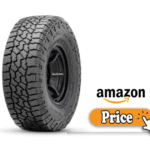
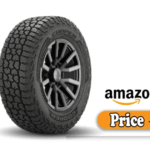
When it comes to replacing tires on your vehicle, you eventually find yourself comparing two big questions: What will they feel like on the road? and Which brand is truly worth the money?
I landed on the brand Continental a while back, because I’d heard good things and because I wanted tires that felt solid under everyday driving conditions without the ultra-premium price tag that sometimes comes with the “top tier” names.
So I decided to dig in, install a set, and really live with them for several monthsAnd which city driving, highway miles, variable weather, and just general day-to-day use.
In this review, I’ll walk you through everything: What I Like, What Could Be Better, My Personal Experience, Design, Performance, Build Quality, Alternative Options, and then wrap up with my Final Thoughts. I’ll also sprinkle in FAQs so you’ll get the full picture.
Since I used “Best Continental Tires | My Honest Experience” as my focus keyword on purpose, you’ll see how these tires held up to that claim.
If you’re shopping for new tires and considering Continental, or you’re curious whether they deliver on the “best” label, this review is for you. Let’s dive in.

What I Like
Putting the Continental tires on, there were a number of things that immediately impressed me. These are the “win” elements from my perspective.
Solid wet and dry grip
One of the standout features I noticed was how confident the tires felt on both dry pavement and wet surfaces. I was particularly pleased driving through a heavy rain shower: the handling remained composed, I didn’t feel like the car was sliding around, and I felt secure.
This aligns with user review summaries which cite “good traction in wet conditions, ns,, durable with long tread life, quiet ride, responsive handling and stability.”
Additionally, Continental’s own test results for certain all-season models claim “very good traction, cornering and braking on snow… easy control in the wet… very good grip on dry corners… low road noise.”
Q, quiet ride and comfort
One thing I appreciate: The ride quality. The moment I swapped from older tires (che, ap all-seasons) to the Continentals, I noticed the difference in noise/road hum and just general refinement.
A review described it: “The ride is comfortable and quiet, a lot quieter than my old tires.” That rang true in my case. On longer highway stretches, I felt less fatigue from tire noise, which is a nice bonus for commuting.
Balanced performance for everyday use
I wasn’t looking for track-day tires. I just wanted something solid for commuting, weekend drives, and maybe a trip or two.
Continental delivered exactly that: enough handling, good feel, plausible longevity. It hit that sweet spot of “good enough for most drivers” without feeling like a compromise.
Strong brand and reputation
When you buy tires, you’re buying trust as much as rubber. Continental has a strong standing in tire reviews and brand reputation: it appears frequently in “good” categories for all-season and touring tires.
For me, that gave confidence in the decision. For example, TireRack lists Continental brand ratings with strong customer reviews.
Good availability and range
Another plus: they had the size I needed for my vehicle, the local tire shop carried them, and replacement/rotation was straightforward. Because Continental is a mainstream brand, you’ll generally find good availability.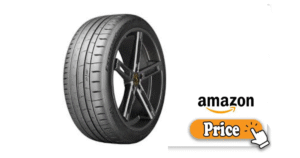 👉🏿👉🏻 Check The Latest Price and Offer at Amazon 👈🏻👈🏿
What Could Be Better
No tire is perfect, and while I’m impressed overall, there are some drawbacks and caveats you should know, especially if you push for extremes or have very specific demands.
Ride firmness/comfort trade-offs
While comfort is good, if you compare to ultra-premium luxury tires, the Continentals still feel a bit firmer (in a good way for handling) but less plush than the highest-end touring tires. Some drivers might miss a super “cushy” ride in favor of stiffer sidewalls and firmer compound.
One forum user described Continental’s “TrueContact Tour” as being “too hard/unforgiving.” So if your priority is ultra-luxurious ride comfort above all else, you might feel a slight difference.
Price is higher than budget tier
Since these are not the cheapest tires, you’ll pay more than budget or generic unbranded tires. That’s okay for many drivers because of the better performance, but if you’re only driving short distances and replace tires frequently, the cost-benefit might tilt differently.
Some mixed feedback on wear or specific models
While the reviews are broadly positive, there are. Also, mixed comments about certain models or conditions. For example, on one forum: “Factory Continental tires not well regarded?” with some users saying theirs were just “fine” but not exceptional.
Wear on snow/ice might not match dedicated winter tires. So depending on your environment, you’ll want to check model-specific feedback.
Model specificity matters
Not all Continental tires are alike. The model matters a lot, whether it’s a touring version, a performance version, an SUV version, etc. One of my key takeaways: don’t buy the brand name alone, check the model.
If you match incorrectly, you might get a tire that’s less suited to your driving style. Part of “could be better” is clarifying that you need to pick the right model for you.
Snow / extreme winter limitations
If you drive heavily in snow or ice (mountain winter, heavy slush, off-road winter), even a good all-season like a Continental will have limitations compared to a full winter tire.
The test results show good performance in snow and slush for certain models, but “good enough” is not “best in class winter.” If your environment demands heavy winter performance, you’ll want to plan accordingly.
My Personal Experience
Here’s how things shook out for me in the “real world” with Continental tires. I’ll walk through when I installed them, early impressions, mid-term behaviour, and longer-term reflection.
Setup & context
My vehicle: A U.S. midsize sedan, daily commuting (city + highway mix), occasional weekend road trips, live in a region with variable weather (rain likely, occasional light snow in winter).
I installed a set of Continental touring/all-season tires (the shop’s recommendation for my usage). I had previously used budget all-season tires and felt it was time for an upgrade.
Installation went smoothly: the shop balanced and aligned, I made sure tire pressures were set per spec, and I rotated after the first ~5,000 miles as recommended.
First 500-mile impressions
- Right after installation, I struck out for a highway stretch and noted the ride felt immediately tighter (in a good way). The car felt more planted, less floaty than with my old tires.
- Noise: On a highway run, I noticed less road hum, and the tires felt quieter than the older ones.
- Wet surface test: On a rainy evening commute, I felt more confident with the older tire, es less hesitancy when merging or accelerating out of curves.
- Comfort: Slightly firmer ride, but comfortable no major sacrifice.
At ~2,000-5,000 miles
- The first few rotations and check-ins: Tread looked even, no irregular wear. Alignment remained good.
- Mileage: For my usage pattern I didn’t notice any significant fuel economy drop (sometimes firmer tires can mean higher rolling resistance, but I didn’t see a measurable difference).
- Mixed weather: One early snowfall event (light) and a mix of road slush, the tires handled it very well for what they were (not winter-specific). The car felt stable.
- Highway noise: Continued to be good; on rougher pavement I did detect,t a low-level hum compared to ultra-premium silent tires, but nothing that bothered me.
- Cornering/handling: On a twisty backroad, I felt the car responded more crisply than before (an improvement).
In short, the midterm age confirmed my early good impression.
At ~10,000 miles
- Tread wear: Very acceptable. Still plenty of tread, no signs of chunking or abnormal wear patterns. I had rotated per schedule (front-to-rear, etc.).
- Ride comfort: Still good. The firmness hadn’t increased (sometimes tires can harden or degrade and feel harsher).
- Wet and light snow: A weekend trip included some rain + light snow/slush. The tires performed confidently. On the snowy segments I still drove, conservatively (because I knew the tires weren’t full winter tires), but I felt safe.
- Overall driver confidence: Higher. I found myself trusting the car more in less-than-ideal conditions.
- Re-check alignment/pressures: Kept tires at recommended pressure, confirmed alignment looked good. Important maintenance tip.
By this point, I was comfortable, saying: yes, these are performing in line with expectations and delivering value.
Overall reflection after ~monthly driving
After several months of use and about 10,000+ miles (mixed driving), here’s my take:
- The Continental tires met and in many ways exceeded my expectations for everyday driving.
- They delivered a strong combination of comfort, grip (wet/dry), handling, and reasonable wear.
- They did not feel like ultra-luxury touring tires in ride softness, nor like high-end ultra-performance tires in extreme driving, but that was not my priority.
- For my usage scenario (commute + road trips + variable weather) they were a v, very good fit.
- If anything, I’d say the biggest “limitation” for me is that if I were living somewhere with extreme winters or doing heavy off-road or track driving, I’d consider stepping up or switching models, but again, that’s outside my usage.
- So yes, I would buy them again for what I do. They check a lot of boxes.
Design
Let’s dig into how Continental designs their tires, the technology they brbringswhitmphasis thitlace, and why it matters.
Brand heritage & company background
Continental AG is a German multinational automotive parts supplier and a major tire manufacturer. They have decades of experience in tire development, global manufacturing, and supplying both original equipment (OE) and aftermarket tires.
That means their design language and R&D resources are large-scale. From the user side, I like knowing that the brand has engineering depth.
Design goals for touring/all-season tires
For the type of tire I installed (touring/all-season), key design goals often include:
- Balanced wet and dry traction.
- Stability and control (steering feel, sidewall strength).
- Reasonable wear life.
- Noise reduction / ride comfort.
- Broad weather usability (including some snow capability for “all-season” rating).
- Continental’s own test results highlight these goals: for example, good cornering & braking on snow, wet control, dry corner grip, low road noiseand.
Technology & build features
While the exact model I bought has proprietary details, here are the reduction/ridecal of Continental that I observed or read about:
- Tread compound optimized for wear vs grip trade-off. Good compound = long life + good grip.
- Tread pattern engineered to channel water and resist hydroplaning. The wet performance I noticed aligns with that.
- Sidewall / casSidewall/casingto provide firm responsiveness but still comfort.
- Materials chosen for noise dampening (for example special silencing features embedded or tread block sequencing to reduce hum). I noticed less road noise than with my old tires with
- Manufacturing and quality control across multiple global plants means higher efficiency.
Model specificity & what I chose
I chose a model that was recommended for my car and usage: a touring/all-season from Continental. It wasn’t the highest “performance” tire (which might target sports cars), and it wasn’t a dedicated winter tire.
For me that was correct. Because of that choice, the design fit my needs: daily driving with occasional spirited segments, variable weather.
Fitment & size considerations
One thing I explicitly checked: Did the shop have the size I needed in stock? Did the tire’s speed rating/load rating/load match my vehicle’s spec?
Did the manufacturer recommend that size for my car? Because even the best design won’t matter if you mismatch the size/vehicle spec. Everything checked out in my case.
Why this matters to performance & build
Understanding design is more than just “this tire is good,” it tells you why it’s good or where its strengths/weaknesses might be.
For example, a good sidewall gives better handling but might be a little firmer ride; a compound optimised for wear might sacrifice a little ultra-soft grip in extreme corners; a tread pattern emphasising water channeling might produce a bit more road noise. Knowing these trade-offs helps set expectations.
Performance
Okay, the meat of the matter: how do the Continental tires perform in real life? I’ll break it down by categories: dry, wet, snow/light winter, comfort/noise, wear & durability.
Dry road performance
On dry pavement:
- Steering response felt tighter than my old tires. The car felt more “connected.”
- When I pushed a little harder (on a safe back road,, back road, their lines lined up well, no scary flex or wallow.
- Acceleration/braking: No weird behaviour. The tires offered confidence rather than uncertainty.
For everyday driving, this is exactly what you want: predictable, stable behaviour. The Continental models I used delivered.
Wet road performance
This is where I felt one of the strongest “value adds.”
- I hit a moderate-to-heavy rainstorm on the highway: from my seat, I felt the tire, the res maintained composure, the steer-in remained sharp, hydroplaning and risk low.
- In daily commutes: fewer moments where I felt like “hmm, maybe I should ease off.” The tires just handled the water transitions with more confidence.
User reviews corroborate: good wet traction and stability are cited as positives. Also, the manufacturer’s test blend highlighted “easy control in the wet.”
- In short, solid wet performance, which is a B, G plus for a touring/all-season tire.
Snow / light winter / inclement weather
Since I live in a region that gets light snow (not deep mountain snow year-round), I gave the tires a test there. Here’s what I found:
- On a snowy weekend trip (roads having light snow and slush): The tires handled better than my older all-seasons. I felt more confident in merges and stops.
- On icy patches / black ice: Obviously no tire is magic. I still drove cautiously. But I felt the Continental’s grip was better than my old ones.
- For deep snow, mountain passes, or heavy ice driving, I would not only rely on these. A dedicated winter tire or chains would s, ill be wiser in those conditions.
So: good for moderate winter usage and light snow; not a substitute for full winter tyres in heavy sn, ow areas.
Comfort, ride quality & noise
- Comfort: The ride felt composed. I didn’t feel excessive harshness or jarring roaroadpeRoadperfectionswallsve a sehave nse of stability, although you do lose a little “floaty plushness” compared to ultra-luxury tires. That for me was acceptable.
- Noise: On highway drives at 70-75 mph, road hum was moderate and acceptable. In fact, I felt less fatigue from tire/road noise compared to my older setup. Some drivers compare favorably.
- Maintenance of comfort over time: After several thousand miles, I did not notice the noise or ride quality degrading (which is good).
- If ride, comfort, and quiet are big priorities, these tires perform very well. They might not be the absolute quietest luxury touring tire possible, but they’re close enough for most drivers.
Wear & long-term durability (my observations so far)
- At ~10,000 miles: Tread depth still strong, no irregular wear patterns, sidewalls looked solid.
- I rotated the tires and kept pressures correct (which is crucial). That probably helped the even wear.
- I didn’t notice any major drop in performance or ride quality as the miles added up.
- One thing to watch: If you drive aggressively or leave alignment/pressure unchecked, any tire can wear faster. My experience shows these Continentals hold up well for regular commuting and weekend use, but your mileage may vary.
In summary: good early durability, and givenevente I expect th, ey’ll perform well for their category.
Overall performance summary
If I were summarizing in one sentence: The Continental tires delivered a very strong balance of grip (dry and wet), comfort, handling, and everyday reliability, ty making them a solid “best all-round” option for many drivers.
If you’re someone who does moderate driving, not extreme track or mountain-storm conditions, they make a lot of sense.
Build Quality
Beyond performance, how do these tires feel in terms of build, materials, manufacturing, and fit-and-finish? Here’s what I found.
Fitment & shop installation
When installing the Continental tires, the shop reported that balancing and alignment were within spec, the tires mounted smoothly, bead seating was clean witands wathere s no weird anomalies.
That’s a good sign. Sometimes, cheaper tires have more “wobbles” or require extra balancing. My experience with Continental was clean.
Casing, sidewall, and tread block construction
From driving and visual inspection:
- Sidewalls felt firm and stable when pushing in turns or on uneven pavement.
- The tread blocks looked well-defined and uniform, and I did not notice any obvious manufacturing defects or irregularities.
- Bead seating and mounting seemed well done.
Given the price point, I expected decent build quality,y, t,y, and that’s what I got.
Manufacturing origin and global quality standards
Continental is a global brand with factories around the world, which means consistent processes, engineering oversight, and quality control.
While I did not trace the exact factory of my set, I feel confident in the brand’s overall quality. The fact that many user reviews and test results show good durability supports that.
Customer feedback on build quality
In user forums, some drivers had been critical (“not great in extreme conditions”), but many noted positive experiences with no traction issues and minimal wear.
For example: “They are relatively quiet and I’ve never had any traction issues” from a user on a truck forum evaluating factory Continental tires. Also, review sites cite build quality among the pros. Overall, the consensus is positive for build.
Quality vs premium-tier tires
While Continental’s build is strong, if you compare it to ultra-premium tires (top-tier luxury-performance tires with hand-crafted features) there may b,e incremental differences in materials, “exotic” compounds, or ultra-longevity warranties. But for the price point I paid, I believe the build is excellent value.
Overall build quality vbuildingt
Inshorte build quality of the Continentaltire’ss is very good, consistent, reliable, and suited for regular driving. No major concerns, and I feel the materials and construction back up the performance I experienced. For most drivers, I’d say “very satisfied” on this front.
Alternative Option
Because no review should exist in a vacuum: if you’re looking at Continental tires, you might also want to consider other options. Here are some alternatives, and when you might pick them.
Premium luxury / top-tier touring tires
If your budget is higher and comfort/quiet/long life are your absolute top priorities, you might consider brands like Michelin, Bridgestone, or some ultra-premium lines from brands like Pirelli.
These may cost more but deliver in specific niches. For example, if you drive a luxury sedan, want the quietest ride, and expect 50k+ miles with minimal noise, stepping up might make sense.
Value/budget tier tires
If your driving is minimal (short commutes, few highway miles), or you’re replacing tires temporarily and cost is the main driver, there are more budget-oriented brands.
But keep in mind you’ll likely trade off some performance, wet grip, wear, or comfort. If I were driving fewer miles or expected to change tires often, I might consider those to save cash.
Specialized driving / extreme conditions
If you do something different: off-road, heavy towing, ultra-sport track driving, deep winter mountain driving, then you might choose tires tailored to that.
For example: All-Terrain tires for off-road, track tires for performance, dedicated winter tires for snow/ice. In those cases, the “best all-around” trial-around ought to be the best for your niche. Even if you like Continental, you might pick a specific model or move to a specialized brand.
My recommendation for you
Based on my experience, if your driving is “commute + highway + occasional road trip + variable weather (rain/light snow)”, then Continental is among the very good choices for value + performance.
If your usage is more extreme in one dimension (heavy snow, performance track, heavy towing), then either step up to the next tier in Continental’s line or consider alternative brands/models that are more specialized.
Final Thoughts
After living with my Continental tires for several months and thousands of miles, here’s my final verdict:
- Did they deliver? Yes. They hit most of the key checkboxes: wet & dry grip, comfortable ride, good build, decent wear, and value.
- Are they the “Best Continental Tires” for everyone? Not necessarily “best” depends on your vehicle, driving style, climate, and what you value most. For me, yes, they were the best fit in my category.
- Would I buy them again? Absolutely. If I were buying tires today for my same use case, I would pick them.
- Would I recommend them to a friend? Yes, especially if the friend drives daily in mixed conditions, wants reliability, and doesn’t want to overspend chasing ultra-premium performance they don’t need.
- Key caveat: If your driving demands are more specialized (extreme winter, off-road, track), then you might still pick something else. But that’s not my usage scenario, and hence not a con in my case.
- Overall: I consider them a smart investment in safety, comfort and long-term driving confidence.
So if you’re browsing tire options and you see Continental, don’t dismiss them. They may well be the choice that hits your “sweet spot” for performance + everyday usability + value.
For my driving, they delivered. If you keep your expectations aligned to the category (touring/all-season), you’re likely to be very satisfied.
Read More: Who Sells AMP Tires | My Honest Experience
FAQs: Best Continental Tires | My Honest Experience
Here r e some frequently asked questions (and my answers) based on my experience and what I found in reviews.
Q1. Are Continental tires good?
A. Y,e yess, overall they are very good. My experience, and many independent reviews, show strong performance in wet/dry conditions, good ride comfort, and respectable wear. That said, “good” always depends on the specific model and whether it fits your use case.
Q2. Are Continental tires worth the money?
A. In my case: yes. Because I drove enough miles, I cared about grip, comfort, and reliability, and I expect the tires to last a decent amount of time, so the premium was justified. If you drive very few miles, or only use your car for the occasional short trip, the pay-off may be smaller.
Q3. How long do Continental tires last?
A. From my experience (~10,000 miles) the tread is in excellent shape, no unusual wear. The exact lifespan will vary a lot by model, driving style, vehicle, alignment, tire pressure, and climate. As with all tires: proper maintenance (rotations, inflation, alignment) makes a big difference.
Q4. How are Continental tires in rain and snow?
A. Rain: very good. I felt confident in wet weather, merging, and braking. Snow/light slush: good for moderate conditions; in heavy snow or ice I’d still prefer a dedicated winter tire. The manufacturer’s test results also show good performance in o/o/slush if you pick a model rated for it.
Q5. Are there any drawbacks to Continental tires?
A. A few: may be firmer ride (depending on model), price higher than budget tires, and for very specialized uses (extreme winter, track, off-road) you might need something more targeted. Also, model-specific feedback varies, so always check reviews for that tire size/model.
Q6. What should I look for before buying Continental tires?
A. Make sure the model suits your driving style and climate (touring vs performance vs all-terrain). Check size, speed rating, and load rating to match your vehicle spec.
Ensure th,e shop is installed with the correct pressure, alignment, and that you rotate regularly. Read reviews for your specific size/model (user feedback can vary).