If you’re like most drivers, you probably stay on top of oil changes, tire rotations, and brake inspections. But there’s one small component that often gets overlooked despite playing a major role in your driving comfort: the cabin air filter.
I learned this lesson firsthand after noticing a musty smell every time I turned on my car’s air conditioning. At first, I assumed the AC system needed servicing. However, after replacing a neglected cabin air filter that hadn’t been changed in years, the difference was remarkable.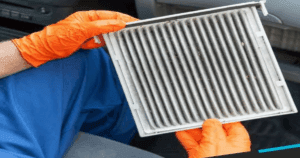 The air smelled fresher, the airflow improved significantly, and the interior became a much more pleasant place to spend time. So, how often should you change your car cabin air filter?
Most manufacturers recommend replacing it every 12,000 to 30,000 miles (20,000 to 50,000 kilometers) or approximately once every year. However, driving conditions, climate, and air quality can dramatically affect how frequently replacement is needed.
In this detailed guide, we’ll explore everything you need to know about cabin air filters, including replacement intervals, warning signs, costs, benefits, and how to choose the right filter for your vehicle.
Quick Answer: Cabin Air Filter Replacement Intervals
| Driving Condition | Recommended Replacement Interval |
| Normal driving conditions | Every 12,000–15,000 miles |
| Heavy city traffic | Every 10,000–12,000 miles |
| Dusty roads | Every 8,000–10,000 miles |
| Allergy-prone environments | Every 10,000–12,000 miles |
| Rural or farm areas | Every 8,000–12,000 miles |
| Manufacturer recommendation | Every 12 months or 15,000–30,000 miles |
| Maximum interval | 30,000 miles |
What Is a Cabin Air Filter?
A cabin air filter is a specialized filter designed to clean the air entering your vehicle’s passenger compartment through the heating, ventilation, and air conditioning (HVAC) system. Its primary job is to trap:
- Dust
- Pollen
- Dirt
- Mold spores
- Road debris
- Smoke particles
- Airborne contaminants
- Vehicle exhaust pollutants
Think of it as your car’s “lung protector.” Without a functioning cabin air filter, every contaminant outside can enter your vehicle and circulate through the ventilation system.
Why Cabin Air Filters Matter
Many drivers underestimate the importance of this small filter. A clean cabin air filter can:
Improve Air Quality
The filter removes harmful airborne particles before they reach passengers.
Reduce Allergies
People suffering from pollen allergies often notice significant improvements after installing a fresh filter.
Protect HVAC Components
A clogged filter forces the blower motor to work harder, potentially reducing its lifespan.
Improve Airflow
Clean filters allow better airflow through vents, improving heating and cooling efficiency.
Eliminate Unpleasant Odors
Old filters often trap moisture and contaminants that produce musty smells.
Signs Your Cabin Air Filter Needs Replacing
Even if you don’t know the last replacement date, your car usually provides clues.
1. Weak Airflow
One of the most common symptoms is reduced airflow through vents. Even when the fan is set to high speed, air output may feel weak.
2. Musty Odors
A dirty filter can accumulate:
- Mold
- Mildew
- Bacteria
- Moisture
This often produces unpleasant smells when the HVAC system runs.
3. Increased Allergy Symptoms
Passengers may experience:
- Sneezing
- Runny nose
- Watery eyes
- Congestion
especially during allergy season.
4. Excessive Dust Inside the Vehicle
If your dashboard becomes dusty shortly after cleaning, the cabin filter may no longer be trapping airborne particles effectively.
5. Strange HVAC Noises
Restricted airflow can place additional strain on HVAC components, sometimes causing unusual sounds.
6. Foggy Windows
Poor airflow may reduce the effectiveness of the defroster system.
Comparison Table: Clean vs Dirty Cabin Air Filter
| Feature | Clean Cabin Air Filter | Dirty Cabin Air Filter |
| Airflow | Strong and consistent | Weak and restricted |
| Interior air quality | Excellent | Poor |
| HVAC efficiency | High | Reduced |
| Odor control | Effective | Musty smells common |
| Allergy protection | Strong | Minimal |
| Blower motor strain | Low | High |
| Defrost performance | Optimal | Reduced |
| Passenger comfort | High | Lower |
How Long Does a Cabin Air Filter Last?
Several factors determine filter lifespan.
Manufacturer Recommendations
Most automakers suggest replacement every:
- 12,000–15,000 miles
- Once per year
Some premium vehicles extend intervals to:
- 20,000–30,000 miles
Always consult your owner’s manual.
Factors That Affect Replacement Frequency
1. Driving in Dusty Areas
Drivers frequently traveling on:
- Dirt roads
- Construction zones
- Rural routes
Should replace filters more frequently.
2. Urban Driving
Heavy city traffic exposes filters to:
- Exhaust fumes
- Soot
- Industrial pollutants
These contaminants clog filters faster.
3. Climate Conditions
Humid climates encourage mold growth inside filters. Dry environments generate more dust accumulation.
4. Seasonal Allergies
If pollen counts are high in your area, replacement intervals should be shortened.
5. Wildfire Smoke
Regions affected by wildfire smoke often require more frequent filter changes.
My Personal Experience
Several years ago, I ignored my cabin air filter for nearly three years. The symptoms developed gradually:
- Weak airflow
- Persistent odor
- Increased dust inside the cabin
After removing the filter, I was shocked by the amount of dirt, leaves, insects, and debris trapped inside. The replacement took less than ten minutes and cost under $20.
The improvement was immediate. Since then, I’ve made annual cabin air filter replacement part of my regular maintenance routine.
How to Inspect a Cabin Air Filter
Most vehicles make inspection relatively simple.
Step 1
Locate the filter. Common locations include:
- Behind the glove box
- Under the dashboard
- Under the hood
Step 2
Remove the filter.
Step 3
Hold it up to a light source.
Step 4
Inspect for:
- Dirt buildup
- Leaves
- Discoloration
- Damage
- Moisture
If little light passes through, replacement is usually necessary.
How to Replace a Cabin Air Filter
One reason this maintenance item is often recommended for DIYers is its simplicity.
Step 1: Purchase the Correct Filter
Match the filter to:
- Make
- Model
- Year
Step 2: Locate the Filter Housing
Usually behind the glove box.
Step 3: Remove the Cover
Most covers use clips or tabs.
Step 4: Remove the Old Filter
Pay attention to airflow direction arrows.
Step 5: Install the New Filter
Insert the new filter in the same orientation.
Step 6: Reassemble
Replace the housing cover and glove box.
The entire process often takes less than 15 minutes.
Cabin Air Filter Replacement Costs
Costs vary depending on vehicle type and service location.
| Service Type | Typical Cost |
| DIY replacement | $10–$40 |
| Standard repair shop | $40–$90 |
| Dealership service | $60–$150 |
| Premium HEPA filter installation | $50–$120 |
DIY replacement offers the greatest savings.
Types of Cabin Air Filters
Not all cabin air filters are identical.
Particulate Filters
Basic filters designed to capture:
- Dust
- Dirt
- Pollen
Pros
- Affordable
- Widely available
Cons
- Limited odor removal
Activated Carbon Filters
Contain charcoal material.
Benefits
- Remove odors
- Reduce fumes
- Improve air freshness
Drawbacks
- Slightly more expensive
HEPA Cabin Filters
Offer superior filtration.
Capable of Capturing
- Fine particles
- Allergens
- Some bacteria
Best For
- Allergy sufferers
- Urban drivers
Benefits of Replacing Cabin Air Filters Regularly
Better Breathing Environment
Cleaner air means greater comfort for all occupants.
Improved HVAC Performance
The blower motor operates more efficiently.
Reduced Repair Costs
Preventing airflow restrictions may extend HVAC component life.
Better Defroster Function
Clear visibility improves safety.
Enhanced Driving Comfort
Fresh air contributes to a more enjoyable driving experience.
Common Myths About Cabin Air Filters
Myth 1: Cabin Filters Last Forever
False.
Every filter eventually becomes clogged.
Myth 2: Air Conditioning Cleans the Air
False.
The cabin filter performs the filtration.
Myth 3: Only Luxury Cars Have Cabin Filters
False.
Most modern vehicles include cabin air filters.
Myth 4: Replacement Is Expensive
False.
Many filters cost less than a tank of fuel.
Myth 5: A Dirty Filter Won’t Hurt Anything
False.
Restricted airflow can strain HVAC components.
Cabin Air Filter vs Engine Air Filter
Many people confuse these two filters.
| Feature | Cabin Air Filter | Engine Air Filter |
| Protects | Passengers | Engine |
| Location | HVAC system | Engine intake |
| Filters | Cabin air | Combustion air |
| Affects comfort | Yes | No |
| Affects performance | Indirectly | Directly |
| Replacement interval | 12,000–30,000 miles | 15,000–30,000 miles |
Buyer’s Guide: Choosing the Best Cabin Air Filter
Selecting the right cabin air filter can improve both comfort and health.
Consider Filter Type
Basic Filter
Best for:
- Budget-conscious drivers
- Low-pollution environments
Activated Carbon Filter
Best for:
- City driving
- Odor reduction
HEPA Filter
Best for:
- Allergy sufferers
- Families
- Maximum filtration
Check Compatibility
Always verify:
- Vehicle make
- Model
- Year
- Engine option
Incorrect sizing can reduce effectiveness.
Evaluate Build Quality
Look for:
- Durable filter media
- Strong frame construction
- Reliable seals
Consider Driving Conditions
Dusty regions require higher-capacity filters. Urban environments benefit from carbon filtration.
Compare Warranty and Brand Reputation
Trusted manufacturers generally offer:
- Better filtration efficiency
- Improved durability
- Consistent fitment
Maintenance Tips for Longer Filter Life
Although replacement is eventually necessary, these tips help maximize lifespan:
- Keep Windows Closed in Dusty Conditions
- Avoid Following Dust Trucks Closely
- Regularly Vacuum Interior Surfaces
- Inspect the Filter Every Oil Change
- Replace Before Allergy Season
- Address Water Leaks Immediately
Moisture accelerates mold growth.
Environmental Considerations
Most used cabin filters contain:
- Dust
- Dirt
- Organic debris
While some components are recyclable, many filters require standard disposal. Check local recycling guidelines before discarding used filters.
Read More: How To Check Your Engine Oil
FAQs: How Often Should I Change My Car Cabin Air Filter
How often should I replace my cabin air filter?
Most vehicles require replacement every 12,000–30,000 miles or once annually.
Can I drive with a dirty cabin air filter?
Yes, but airflow, air quality, and HVAC efficiency will gradually decline.
How much does a cabin air filter cost?
Most filters cost between $10 and $40, while professional installation may bring total costs to $40–$150.
Does a cabin air filter affect fuel economy?
Not directly, though a clogged filter can make the HVAC system work harder.
Can a dirty cabin filter cause bad smells?
Yes. Dirt, moisture, mold, and bacterial accumulation often create unpleasant odors.
Is replacing a cabin air filter a DIY job?
In many vehicles, replacement takes less than 15 minutes using basic hand tools.
What happens if I never replace the cabin air filter?
You may experience reduced airflow, poor air quality, stronger odors, and increased wear on HVAC components.
Are expensive cabin air filters worth it?
For drivers with allergies, asthma, or exposure to heavy pollution, premium carbon or HEPA filters can provide noticeable benefits.
Can a clogged cabin filter affect air conditioning performance?
Yes. Restricted airflow can make the AC feel less effective even when the system itself is functioning properly.
Should I replace the cabin filter and engine air filter together?
Not necessarily, but many owners inspect and replace both during routine maintenance to simplify service scheduling.
Final Verdict
So, how often should you change your car cabin air filter? For most drivers, replacing it every 12,000 to 15,000 miles or once per year is a smart maintenance practice. However, those driving in dusty, polluted, or high-allergen environments may benefit from more frequent replacements.
Considering the low cost, simple installation, and noticeable improvements in air quality and HVAC performance, cabin air filter replacement offers one of the best maintenance values available.
A clean cabin air filter means cleaner air, better airflow, fewer odors, and a more comfortable driving experience for everyone inside the vehicle.