A properly functioning air conditioning system is essential for comfortable driving, especially during hot summer months. One of the most important yet often overlooked components in your vehicle’s AC system is the expansion valve.
If your car’s air conditioning is blowing warm air, cycling irregularly, or showing signs of poor cooling performance, the expansion valve could be the culprit.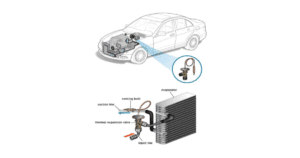 Having personally diagnosed and repaired several automotive AC systems over the years, I’ve learned that testing an expansion valve isn’t as complicated as many people assume.
With the right tools, basic knowledge, and a systematic approach, you can determine whether the valve is functioning correctly before spending money on unnecessary repairs.
This comprehensive guide explains everything you need to know about testing a car expansion valve, understanding its role, identifying failure symptoms, and selecting replacement parts when necessary.
What Is a Car Expansion Valve?
The expansion valve, also known as the thermal expansion valve (TXV), regulates refrigerant flow into the evaporator core. It acts as a metering device that controls how much refrigerant enters the evaporator based on cooling demand. Its primary functions include:
- Reducing refrigerant pressure
- Controlling refrigerant flow
- Preventing evaporator flooding
- Maintaining efficient cooling performance
- Protecting the compressor
Without a properly functioning expansion valve, the AC system cannot maintain proper pressure balance, resulting in poor cooling performance and potential component damage.
Common Symptoms of a Bad Expansion Valve
Before testing, it’s important to recognize the warning signs.
| Symptom | Possible Cause |
| Warm air from vents | Valve stuck closed |
| AC freezes, then stops cooling | Valve stuck open |
| Fluctuating vent temperatures | Intermittent valve operation |
| Frost on the evaporator | Restricted refrigerant flow |
| High-pressure readings | Expansion valve malfunction |
| Compressor cycling frequently | Improper refrigerant metering |
| Reduced fuel efficiency | AC system is working harder |
Expansion Valve vs Orifice Tube Comparison
Many vehicle owners confuse expansion valves with orifice tubes.
| Feature | Expansion Valve (TXV) | Orifice Tube |
| Flow Control | Variable | Fixed |
| Efficiency | Higher | Moderate |
| Cost | More expensive | Less expensive |
| Common Vehicles | Modern vehicles | Older vehicles |
| Performance | Better temperature regulation | Basic regulation |
| Maintenance | More complex | Simpler |
| Failure Symptoms | Variable cooling issues | Restricted airflow |
Why Testing the Expansion Valve Matters
Ignoring a faulty expansion valve can lead to:
- Compressor failure
- Increased repair costs
- Poor cabin comfort
- Refrigerant leaks
- Reduced AC lifespan
- Higher fuel consumption
A simple diagnostic test can save hundreds or even thousands of dollars in future repairs.
Tools Needed to Test a Car Expansion Valve
You’ll need:
Essential Tools
- AC manifold gauge set
- Digital thermometer
- Refrigerant pressure chart
- Safety gloves
- Eye protection
Advanced Diagnostic Tools
- Infrared temperature gun
- Scan tool
- Refrigerant recovery machine
- Electronic leak detector
Safety Precautions
Always follow these safety guidelines:
- Wear safety glasses.
- Use protective gloves.
- Never release refrigerant into the atmosphere.
- Work in a well-ventilated area.
- Keep hands away from moving engine parts.
- Follow manufacturer specifications.
Automotive refrigerants can cause severe frostbite if they contact skin.
Understanding Expansion Valve Operation
To test effectively, you need a basic understanding of how it works. The process follows these steps:
- The compressor compresses refrigerant.
- A condenser removes heat.
- The expansion valve lowers the pressure.
- The evaporator absorbs cabin heat.
- Refrigerant returns to the compressor.
The expansion valve acts as the gateway between the high-pressure and low-pressure sides of the system.
Step-by-Step Guide: How to Test a Car Expansion Valve
Step 1: Inspect AC Performance
Start your vehicle and set the AC to maximum cooling. Observe:
- Vent temperature
- Airflow consistency
- Compressor engagement
- Cooling speed
A healthy system typically produces vent temperatures between 35°F and 55°F (2°C–13°C) depending on ambient conditions.
Step 2: Connect Manifold Gauges
Attach gauges to:
- Low-side service port
- High-side service port
Start the engine and allow stabilization.
Record:
- High-side pressure
- Low-side pressure
- Ambient temperature
Step 3: Analyze Pressure Readings
Typical readings:
| Ambient Temp | Low Side PSI | High Side PSI |
| 70°F | 25-35 | 150-200 |
| 80°F | 30-40 | 175-225 |
| 90°F | 35-45 | 200-250 |
| 100°F | 40-50 | 225-300 |
Abnormal readings may indicate expansion valve issues.
Step 4: Check for Pressure Imbalance
A defective expansion valve often causes:
Valve Stuck Closed
- Very low low-side pressure
- Excessively high high-side pressure
Valve Stuck Open
- High-low-side pressure
- Low high-side pressure
These pressure abnormalities are strong indicators of valve failure.
Step 5: Measure Temperature Differences
Use an infrared thermometer.
Measure:
- Inlet temperature
- Outlet temperature
Normal operation shows a noticeable temperature drop across the valve. Minimal change may indicate improper refrigerant flow.
Step 6: Look for Frost Formation
Inspect:
- Expansion valve body
- Evaporator lines
- Suction line
Heavy frost often suggests:
- Restricted refrigerant flow
- Valve blockage
- Moisture contamination
Step 7: Monitor Compressor Cycling
A malfunctioning valve often causes:
- Rapid cycling
- Constant operation
- Irregular engagement
Observe compressor behavior for at least 10 minutes.
Step 8: Listen for Unusual Sounds
Common warning sounds include:
- Hissing
- Clicking
- Whistling
These noises may indicate refrigerant restrictions within the valve.
My Personal Experience Testing Expansion Valves
Over the years, I’ve encountered numerous AC complaints where vehicle owners immediately assumed the compressor had failed.
One memorable case involved a midsize sedan that blew cold air for five minutes before turning warm. Pressure readings initially appeared confusing. However, after monitoring system behavior over a longer period, I discovered the expansion valve intermittently sticking closed.
Replacing the valve restored consistent cooling and saved the owner from replacing a perfectly good compressor.
The lesson? Always test thoroughly before replacing expensive components.
Signs Your Expansion Valve Is Stuck Open
When stuck open:
- The evaporator receives excessive refrigerant
- Cooling becomes inconsistent
- The compressor works harder
- Low-side pressure rises
- Cabin temperatures fluctuate
Long-term operation can damage other AC components.
Signs Your Expansion Valve Is Stuck Closed
When stuck closed:
- Refrigerant flow becomes restricted
- The evaporator starves for refrigerant
- Air becomes warm
- High-side pressure spikes
- Compressor stress increases
This condition often requires immediate attention.
Can a Bad Expansion Valve Damage the Compressor?
Absolutely. A malfunctioning expansion valve can cause:
- Liquid refrigerant flooding
- Oil circulation problems
- Excessive pressure buildup
- Overheating
Since the compressor is usually the most expensive AC component, diagnosing valve issues early is critical.
Expansion Valve Testing Mistakes to Avoid
Many DIYers make these errors:
Replacing Parts Without Testing
Guesswork leads to wasted money.
Ignoring Refrigerant Charge
Low refrigerant can mimic expansion valve symptoms.
Skipping Temperature Measurements
Pressure readings alone aren’t always enough.
Using Incorrect Gauge Procedures
Improper connections create inaccurate readings.
Overlooking System Contamination
Debris often causes valve restrictions.
When the Expansion Valve Isn’t the Problem
Several components can create similar symptoms:
| Component | Similar Symptoms |
| Compressor | Poor cooling |
| Condenser | High pressures |
| Evaporator | Reduced cooling |
| Blend door actuator | Temperature issues |
| Low refrigerant | Warm air |
| Pressure sensor | Irregular cycling |
| Receiver-drier | Flow restrictions |
Always perform a complete system diagnosis.
Should You Replace or Clean the Expansion Valve?
In most situations:
Replace If:
- Mechanically stuck
- Corroded
- Internally damaged
- Contaminated with debris
Clean If:
- Minor contamination exists
- Manufacturer recommends service
- No internal damage is present
Replacement is generally the more reliable solution.
Buyer’s Guide: Choosing a Replacement Expansion Valve
Selecting the correct replacement matters greatly.
Vehicle Compatibility
Always verify:
- Make
- Model
- Engine size
- Production year
Incorrect valves can create performance problems.
OEM vs Aftermarket
OEM Advantages
- Exact fit
- Factory specifications
- Reliable performance
Aftermarket Advantages
- Lower cost
- Wider availability
- Multiple quality options
Premium aftermarket brands often perform nearly as well as OEM parts.
Build Quality
Look for:
- Corrosion-resistant materials
- Precision machining
- Quality seals
- Strong warranty coverage
Avoid extremely cheap valves with poor manufacturing standards.
Warranty Coverage
Choose products offering:
- One-year minimum warranty
- Manufacturer support
- Clear return policies
A warranty often reflects a manufacturer’s confidence.
Brand Reputation
Research:
- Customer reviews
- Technician recommendations
- Industry reputation
Trusted brands typically provide more consistent performance.
Cost of Expansion Valve Replacement
Average costs:
| Expense | Typical Range |
| Expansion valve | $25-$150 |
| Refrigerant recharge | $100-$250 |
| Labor | $150-$500 |
| Total repair cost | $275-$900 |
Luxury vehicles generally cost more due to labor complexity.
Professional vs DIY Testing
DIY Advantages
- Lower cost
- Educational experience
- Faster initial diagnosis
DIY Disadvantages
- Requires tools
- Limited accuracy
- Refrigerant handling restrictions
Professional Advantages
- Specialized equipment
- Accurate diagnosis
- Warranty-backed repairs
Professional Disadvantages
- Higher cost
- Appointment scheduling
For most enthusiasts, initial testing is manageable, while refrigerant recovery should remain a professional task.
Preventing Expansion Valve Failure
Preventive maintenance includes:
- Running the AC regularly
- Replacing cabin filters
- Fixing refrigerant leaks promptly
- Maintaining proper refrigerant charge
- Keeping the condenser clean
- Servicing the receiver-drier when recommended
These steps can significantly extend system life.
Read More: How Do You Check The Oil On A Car
FAQs: How To Test Car Expansion Valve
How do I know if my car’s expansion valve is bad?
Common signs include warm air from vents, fluctuating temperatures, frost buildup, abnormal pressure readings, and frequent compressor cycling.
Can a bad expansion valve cause warm air?
Yes. A stuck or restricted valve can prevent sufficient refrigerant from reaching the evaporator, resulting in warm airflow.
What pressure readings indicate a bad expansion valve?
Very low low-side pressure combined with high high-side pressure often indicates a stuck-closed valve. High low-side pressure with low high-side pressure may indicate a stuck-open valve.
Can I test an expansion valve without gauges?
You can observe symptoms, temperatures, and frost formation, but manifold gauges provide the most accurate diagnosis.
How long does an expansion valve last?
Most expansion valves last between 8 and 15 years, depending on vehicle usage and system maintenance.
Is replacing an expansion valve difficult?
Difficulty varies by vehicle. Some require dashboard removal, while others provide easier access.
Can low refrigerant mimic expansion valve failure?
Yes. Low refrigerant levels often create symptoms nearly identical to a faulty expansion valve.
Should I replace the receiver-drier when replacing the expansion valve?
In many cases, yes. Replacing both components helps ensure long-term AC system reliability.
What happens if I ignore a bad expansion valve?
Ignoring the issue can lead to compressor damage, poor cooling, higher repair costs, and overall AC system failure.
Can a clogged expansion valve be cleaned?
Sometimes, but replacement is generally recommended because internal contamination often causes recurring problems.
How much does it cost to test an expansion valve professionally?
Diagnostic fees typically range from $50 to $200, depending on location and shop rates.
Is an expansion valve the same as an AC metering device?
Yes. The expansion valve is one type of refrigerant metering device used in automotive air conditioning systems.
Final Verdict
Testing a car’s expansion valve is one of the most valuable diagnostic procedures for solving air conditioning issues. While the component itself is relatively small, it plays a critical role in refrigerant management and overall cooling performance.
From personal experience, I can confidently say that many expensive compressor replacements could have been avoided with proper expansion valve testing.
By monitoring pressure readings, checking temperature differences, observing compressor operation, and looking for signs of restriction or flooding, you can accurately identify expansion valve problems before they escalate.
Whether you’re a DIY mechanic or simply a vehicle owner wanting to understand your AC system better, mastering these testing techniques can save substantial repair costs while ensuring reliable cooling performance for years to come.