Checking your car’s engine oil level is one of the simplest yet most important maintenance tasks you can perform. Surprisingly, many drivers ignore this basic inspection until warning lights appear or engine problems develop.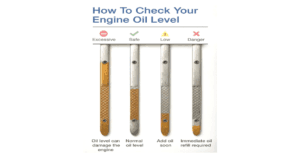 I’ve owned several vehicles over the years, from older sedans to newer SUVs, and one lesson I’ve learned is that regular oil checks can save thousands of dollars in repair costs. A five-minute inspection every few weeks can help prevent serious engine wear, overheating, and expensive breakdowns.
Whether you’re a first-time car owner or simply looking to improve your vehicle maintenance skills, this guide will walk you through everything you need to know about checking engine oil levels correctly.
Why Engine Oil Is So Important
Engine oil serves several critical functions:
- Lubricates moving engine parts
- Reduces friction and wear
- Helps cool engine components
- Prevents rust and corrosion
- Removes dirt and contaminants
- Improves engine performance
Without sufficient oil, metal components rub directly against each other, generating excessive heat and causing rapid damage.
Think of engine oil as the lifeblood of your vehicle. Just as your body needs proper blood circulation to function, your engine requires clean oil at the correct level to operate efficiently.
Signs Your Engine Oil Needs Checking
Many drivers wait for a warning light before checking oil, but that’s often too late. Watch for these warning signs:
Oil Warning Light
A dashboard oil warning light indicates low oil pressure or insufficient oil.
Engine Noise
Knocking, ticking, or grinding sounds may suggest inadequate lubrication.
Burning Oil Smell
A strong burning smell can indicate oil leakage or overheating.
Reduced Fuel Efficiency
Poor lubrication forces the engine to work harder.
Visible Exhaust Smoke
Blue-tinted smoke may indicate oil burning inside the engine.
Engine Overheating
Insufficient oil reduces cooling efficiency.
When Should You Check Engine Oil?
For most vehicles, checking engine oil:
- Once every month
- Before long road trips
- After driving in extreme temperatures
- Every 1,000 miles (1,600 km)
- Whenever dashboard warnings appear
Older vehicles often require more frequent checks because they naturally consume more oil over time.
Personally, I make it a habit to inspect oil levels every two weeks. It takes less than five minutes and provides peace of mind.
Tools You’ll Need
The good news is that checking oil requires almost no tools. You’ll need:
- Clean paper towel
- Lint-free cloth
- Gloves (optional)
- Good lighting
That’s it.
Step-By-Step Guide: How To Check Car Engine Oil Level
Step 1: Park On Level Ground
Ensure the vehicle is parked on a flat, even surface. A sloped driveway can provide inaccurate readings.
Step 2: Turn Off The Engine
Switch off the engine and allow it to cool. Most manufacturers recommend waiting:
- 5–10 minutes after driving
- Longer if the engine is extremely hot
This allows oil to settle back into the oil pan.
Step 3: Open The Hood
Locate and release the hood latch. Secure the hood using the support rod if necessary.
Step 4: Find The Dipstick
Locate the oil dipstick. It usually features:
- Yellow handle
- Orange handle
- Clearly labeled oil symbol
Refer to your owner’s manual if unsure.
Step 5: Remove The Dipstick
- Pull the dipstick out completely.
- You’ll notice oil coating the lower portion.
- Don’t read it yet.
Step 6: Wipe It Clean
- Use a clean cloth or paper towel.
- Remove all existing oil from the dipstick.
- This ensures an accurate reading.
Step 7: Reinsert The Dipstick
- Push the dipstick fully back into its tube.
- Ensure it seats completely.
Step 8: Remove It Again
- Pull the dipstick out carefully.
- Now examine the oil level.
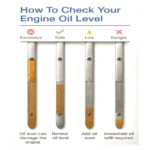
Step 9: Read The Oil Level
Most dipsticks have:
- MIN and MAX marks
- Cross-hatched area
- Two holes indicating range
The oil should fall between the minimum and maximum indicators. Ideally, it should be near the upper end of the mark.
Step 10: Check Oil Condition
Don’t just inspect the level. Look at the oil’s appearance. Healthy oil typically appears:
- Amber
- Light brown
- Smooth consistency
Dirty oil often looks:
- Very dark
- Thick
- Sludgy
Oil Level Reading Guide
| Dipstick Reading | Meaning | Action Required |
| Above Maximum | Overfilled | Drain excess oil |
| Near Maximum | Excellent | No action needed |
| Middle Range | Acceptable | Continue monitoring |
| Near Minimum | Low | Add oil soon |
| Below Minimum | Critical | Add oil immediately |
Personal Experience: Why Regular Oil Checks Matter
A few years ago, I owned an older compact sedan that seemed perfectly healthy. Since there were no warning lights, I rarely checked the oil.
One day, I noticed a slight ticking noise during startup. After checking the dipstick, I discovered the oil level was well below the minimum mark. The vehicle had been slowly consuming oil without obvious symptoms.
Had I continued driving, engine damage could have occurred. Instead, adding the proper oil solved the issue and likely prevented a major repair bill. Since then, regular oil inspections have become part of my routine.
Common Mistakes People Make
Checking On Uneven Ground
- This creates false readings.
- Always use level surfaces.
Reading Oil Immediately After Driving
- Oil needs time to drain into the oil pan.
- Wait several minutes.
Forgetting To Wipe The Dipstick
- The first pull often gives inaccurate readings.
- Always wipe and reinsert.
Overfilling The Engine
- Too much oil can be just as harmful as too little.
- Excess oil creates foam and pressure problems.
Ignoring Oil Color
- Level isn’t everything.
- Condition matters too.
Comparison Table: Low Oil vs Proper Oil Level
| Feature | Low Oil Level | Proper Oil Level |
| Engine Protection | Poor | Excellent |
| Fuel Economy | Reduced | Optimized |
| Engine Temperature | Higher | Controlled |
| Noise Level | Increased | Normal |
| Wear On Components | Severe | Minimal |
| Performance | Reduced | Smooth |
| Engine Lifespan | Shorter | Longer |
| Maintenance Costs | Higher | Lower |
How To Add Engine Oil
If your oil level is low:
Step 1
Locate the oil filler cap.
Usually marked with an oil can symbol.
Step 2
Remove the cap.
Step 3
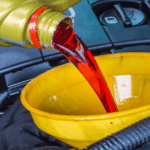
Use a funnel.
Step 4
Add oil slowly.
Step 5
Wait several minutes.
Step 6
Check the dipstick again.
Step 7
Repeat until the correct level is reached.
Never add large amounts at once.
Choosing The Right Engine Oil
Using incorrect oil can affect engine performance.
Check:
- Owner’s manual
- Oil cap specifications
- Manufacturer recommendations
Common viscosity grades include:
- 0W-20
- 5W-20
- 5W-30
- 10W-30
Always follow manufacturer requirements.
Engine Oil Types Explained
Conventional Oil
Pros:
- Affordable
- Widely available
Cons:
- Shorter lifespan
- Less protection
Best for:
Older vehicles and light driving.
Synthetic Blend Oil
Pros:
- Better performance
- Moderate pricing
Cons:
- Not as durable as a full synthetic
Best for:
Daily drivers.
Full Synthetic Oil
Pros:
- Maximum protection
- Longer intervals
- Better temperature resistance
Cons:
- Higher cost
Best for:
Modern vehicles and demanding conditions.
Buyer’s Guide: Choosing Engine Oil For Your Vehicle
When purchasing engine oil, consider the following factors.
Vehicle Manufacturer Requirements
Always start with the owner’s manual. The recommended viscosity and certification matter more than brand loyalty.
Driving Conditions
Choose oil based on how you drive.
City Driving
Frequent stop-and-go traffic benefits from synthetic oils.
Highway Driving
Most approved oils perform well.
Extreme Weather
Synthetic oils provide superior temperature protection.
Vehicle Age
Older engines may benefit from:
- High-mileage formulas
- Additional seal conditioners
Budget Considerations
| Oil Type | Average Cost | Protection Level |
| Conventional | Low | Good |
| Synthetic Blend | Medium | Better |
| Full Synthetic | Higher | Best |
While full synthetic costs more initially, it often provides greater long-term value through improved protection and longer service intervals.
How Often Should Oil Be Changed?
General guidelines:
- Conventional Oil: Every 3,000–5,000 miles
- Synthetic Blend: Every 5,000–7,500 miles
- Full Synthetic: Every 7,500–15,000 miles
Always prioritize manufacturer recommendations.
Benefits Of Regular Oil Monitoring
Routine checks offer several advantages:
Improved Reliability
Detect issues early.
Longer Engine Life
Proper lubrication reduces wear.
Better Fuel Economy
Efficient lubrication lowers resistance.
Reduced Repair Costs
Preventative maintenance saves money.
Increased Vehicle Value
A well-maintained vehicle retains value better.
Read More: How To Install Rear Facing Car Seat
FAQs: How To Check Car Engine Oil Level
How often should I check my engine oil?
Most experts recommend checking engine oil at least once per month and before long trips.
Can I check the oil when the engine is hot?
Yes, but it’s best to wait 5–10 minutes after turning the engine off to let the oil settle.
What happens if engine oil is too low?
Low oil can cause excessive friction, overheating, engine wear, and potentially catastrophic engine failure.
Is dark engine oil always bad?
Not necessarily. Oil naturally darkens over time. However, thick, gritty, or sludgy oil may indicate the need for replacement.
Can too much oil damage an engine?
Yes. Overfilling can cause foaming, increased pressure, leaks, and engine damage.
What oil level is considered ideal?
The oil should be near the maximum mark on the dipstick without exceeding it.
Should I add oil if it’s halfway between MIN and MAX?
Not usually. Oil within the safe operating range is acceptable, although topping up may be beneficial before long trips.
Why does my car lose oil between oil changes?
Possible causes include:
- Normal oil consumption
- Oil leaks
- Worn piston rings
- Valve seal issues
If consumption seems excessive, have the vehicle inspected.
Can I mix different oil brands?
Generally, yes, provided the oils have the same viscosity and specifications. However, using one type consistently is preferable.
Is synthetic oil worth the extra cost?
For most modern vehicles, yes. Synthetic oil offers better protection, longer service intervals, and improved performance in extreme temperatures.
Final Thoughts
Learning how to check your car engine oil level is one of the most valuable maintenance skills any driver can develop. The process requires only a few minutes, yet it can prevent costly repairs, improve fuel efficiency, and extend engine life significantly.
From personal experience, regular oil checks have helped me catch minor issues before they became major problems. Whether your vehicle is brand new or has hundreds of thousands of miles on it, monitoring engine oil should become part of your regular maintenance routine.
Remember: check regularly, use the correct oil, avoid overfilling, and address low levels promptly. Your engine will thank you with years of reliable performance.