If you’ve ever noticed your car’s air conditioning blowing warmer air than usual during a hot summer day, the culprit may not be a failing compressor or low refrigerant. Sometimes, the problem is much simpler: a dirty AC condenser.
I learned this firsthand when my vehicle’s air conditioner gradually lost its cooling power despite having a properly charged AC system. After inspecting the front of the condenser, I found it covered in bugs, dirt, leaves, and road debris. A thorough cleaning restored much of the cooling efficiency I had been missing.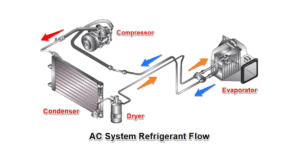 Car AC condenser cleaning is one of the most overlooked maintenance tasks. Yet it’s one of the easiest ways to improve air conditioning performance, reduce stress on the AC system, and potentially avoid expensive repairs.
In this guide, we’ll explore everything you need to know about cleaning your car’s AC condenser, from understanding its role to step-by-step cleaning instructions, common mistakes, buying advice, and maintenance tips.
What Is a Car AC Condenser?
The AC condenser is a heat exchanger located near the front of your vehicle, usually directly behind the grille and in front of the radiator. Its primary function is to release heat absorbed from inside the cabin.
When refrigerant leaves the compressor, it is hot and under high pressure. The condenser cools this refrigerant by allowing airflow to pass through its fins. As the refrigerant cools, it transforms from a gas into a liquid before continuing through the AC system.
Without a properly functioning condenser, your air conditioning system cannot efficiently cool the cabin.
Signs Your AC Condenser Needs Cleaning
Several warning signs indicate it’s time to clean your condenser:
Reduced Cooling Performance
The AC blows cool air, but not as cold as before.
Longer Cooling Times
The cabin takes longer to reach a comfortable temperature.
Higher Engine Temperatures
Since the condenser sits near the radiator, blocked airflow can affect overall cooling efficiency.
Visible Dirt and Debris
Inspect the front grille. If you see leaves, bugs, dirt, or mud buildup, cleaning is overdue.
Increased AC System Pressure
A dirty condenser may force the compressor to work harder, increasing operating pressures.
Dirty vs Clean AC Condenser Comparison
| Feature | Dirty Condenser | Clean Condenser |
| Cooling Efficiency | Poor | Excellent |
| AC Air Temperature | Warmer | Colder |
| Compressor Workload | Higher | Lower |
| Fuel Efficiency | Reduced | Improved |
| System Longevity | Shorter | Longer |
| Airflow Through Fins | Restricted | Unobstructed |
| Repair Risk | Higher | Lower |
| Cabin Comfort | Reduced | Improved |
Why Condenser Cleaning Is Important
Many drivers underestimate how much debris accumulates over time. Road dust, pollen, insects, leaves, and mud can clog the tiny condenser fins. This creates several problems:
- Reduced airflow
- Increased refrigerant temperature
- Higher compressor strain
- Poor cooling performance
- Increased fuel consumption
- Premature component wear
Routine cleaning helps restore airflow and maintain optimal performance.
How Often Should You Clean a Car AC Condenser?
The ideal cleaning schedule depends on your driving environment.
| Driving Condition | Cleaning Frequency |
| Urban Driving | Every 12 Months |
| Highway Driving | Every 6–12 Months |
| Dusty Areas | Every 3–6 Months |
| Rural Roads | Every 3–6 Months |
| Tropical Climates | Every 6 Months |
| Heavy Bug Exposure | Monthly Inspection |
As a general rule, inspect the condenser every time you change your engine air filter.
Tools Needed for AC Condenser Cleaning
Fortunately, the required tools are inexpensive.
Basic Cleaning Supplies
- Garden hose
- Spray nozzle
- Soft brush
- Microfiber cloth
- Vacuum cleaner
Advanced Cleaning Supplies
- AC condenser cleaner
- Fin comb
- Compressed air
- Plastic trim removal tools
Safety Equipment
- Gloves
- Safety glasses
Step-by-Step Car AC Condenser Cleaning Process
Step 1: Park Safely
Park on a flat surface and turn off the engine. Allow the engine to cool completely before beginning.
Step 2: Locate the Condenser
Open the hood. The condenser is usually located:
- Behind the front grille
- In front of the radiator
- Near the cooling fans
Look for thin aluminum fins.
Step 3: Remove Large Debris
Use your hands or a vacuum cleaner to remove:
- Leaves
- Twigs
- Plastic debris
- Large insects
Avoid damaging the delicate fins.
Step 4: Apply Condenser Cleaner
- Spray a dedicated condenser cleaner evenly across the surface.
- Allow the cleaner to penetrate dirt buildup for several minutes.
- Do not let the cleaner dry completely.
Step 5: Rinse Carefully
- Use low-pressure water.
- Spray from the engine side outward whenever possible.
- This pushes debris out rather than deeper into the fins.
Step 6: Straighten Bent Fins
- Inspect for damaged fins.
- Use a fine comb to carefully straighten any bent sections.
- Proper airflow depends on open fins.
Step 7: Final Inspection
Ensure:
- No debris remains
- Fins are clean
- Airflow pathways are open
Reassemble any removed covers.
My Personal Experience Cleaning an AC Condenser
The first time I cleaned a heavily clogged condenser, I was surprised by the amount of debris trapped inside. Several years of insects, dirt, and road grime had accumulated between the grille and condenser.
After cleaning:
- Cabin cooling improved noticeably.
- AC reached target temperatures faster.
- Compressor cycling became smoother.
- Highway cooling performance improved significantly.
The entire process took less than an hour and cost almost nothing.
Common Condenser Cleaning Mistakes
Using a Pressure Washer
- This is one of the biggest mistakes.
- High-pressure water easily bends condenser fins.
- Damaged fins restrict airflow permanently.
Scrubbing Too Aggressively
- The aluminum fins are extremely delicate.
- Use only soft brushes.
Ignoring Bent Fins
Even clean condensers perform poorly if airflow channels are crushed.
Using Harsh Chemicals
Strong degreasers can damage aluminum surfaces.
Always use condenser-safe cleaners.
Skipping Regular Maintenance
Waiting until cooling performance drops often means dirt buildup has become severe.
Benefits of Professional Condenser Cleaning
Professional cleaning may be worthwhile if:
- The condenser is heavily clogged.
- Access is difficult.
- Fins require repair.
- Cooling problems persist.
Professionals use:
- Specialized cleaning solutions
- Low-pressure washing equipment
- Fin straightening tools
- System diagnostic equipment
DIY vs Professional Cleaning
| Feature | DIY Cleaning | Professional Cleaning |
| Cost | Low | Higher |
| Convenience | High | Moderate |
| Time Required | 30–60 Minutes | 1–2 Hours |
| Specialized Equipment | Limited | Extensive |
| Fin Repair | Difficult | Easy |
| Diagnostic Capability | Minimal | Advanced |
| Risk of Mistakes | Moderate | Low |
| Overall Value | Excellent | Excellent for Severe Cases |
Can a Dirty Condenser Damage the AC System?
Yes.
Over time, restricted airflow can cause:
- Compressor overheating
- High refrigerant pressure
- Reduced lubrication efficiency
- Increased wear on seals
- Premature compressor failure
Because compressors are among the most expensive AC components, preventive cleaning is highly worthwhile.
Best Products for AC Condenser Cleaning
When shopping for cleaning products, look for:
Non-Corrosive Formula
Protects aluminum fins.
Foaming Action
Helps loosen dirt and debris.
No-Rinse Formula
Simplifies maintenance.
HVAC Compatibility
Many automotive condensers benefit from cleaners designed for HVAC condensers.
Buyer’s Guide: Choosing the Right AC Condenser Cleaning Products
Consider Your Vehicle Type
Larger vehicles often have larger condensers requiring cleaner air.
Best for Sedans
- Standard foaming cleaners
- Soft brushes
Best for SUVs and Trucks
- Larger spray bottles
- Fin repair tools
Best for Older Vehicles
- Fin comb kits
- Corrosion-safe cleaners
Evaluate Ease of Use
Choose products that:
- Spray evenly
- Require minimal scrubbing
- Rinse easily
Check Material Compatibility
Ensure compatibility with:
- Aluminum fins
- Rubber seals
- Plastic components
Budget Considerations
Budget Range
Basic cleaning supplies usually cost very little.
Mid-Range
Includes specialized condenser cleaners.
Premium
Professional-grade cleaning and fin restoration kits.
Additional AC Maintenance Tips
Condenser cleaning works best when combined with:
Cabin Air Filter Replacement
Dirty cabin filters reduce airflow.
Refrigerant Inspection
Verify proper refrigerant levels.
Cooling Fan Checks
Ensure fans operate correctly.
Radiator Cleaning
Clean radiators improve overall cooling efficiency.
AC Performance Testing
Monitor vent temperatures periodically.
Environmental Factors That Affect Condenser Cleanliness
Coastal Areas
Salt exposure accelerates corrosion.
Rural Areas
Dust accumulation occurs more rapidly.
Urban Areas
Road grime and pollution build up over time.
Insect-Rich Regions
Bug buildup can quickly block airflow.
Understanding your environment helps determine cleaning frequency.
How Condenser Cleaning Improves Fuel Economy
When the AC system operates efficiently:
- Compressor workload decreases.
- Engine load decreases.
- Fuel consumption improves slightly.
Although savings are modest, they accumulate over years of driving.
Long-Term Benefits of Regular Condenser Cleaning
Routine maintenance can provide:
- Better cooling performance
- Lower repair costs
- Extended compressor life
- Improved passenger comfort
- Better fuel economy
- Reduced system strain
- Higher resale value
A clean condenser contributes significantly to overall AC reliability.
Read More: How Do I Check The Oil On My Car
FAQs: Car AC Condenser Cleaning
Can I clean my AC condenser myself?
Yes. Most vehicle owners can safely clean the condenser using basic tools and low-pressure water.
How long does condenser cleaning take?
Typically 30–60 minutes depending on accessibility and debris buildup.
Will cleaning improve AC cooling?
In many cases, yes. Removing debris restores airflow and heat transfer efficiency.
Can I use a pressure washer?
No. High-pressure water can bend delicate condenser fins and reduce performance.
How much does professional condenser cleaning cost?
Costs vary by location and vehicle type, but professional service is generally affordable compared to major AC repairs.
What happens if I never clean the condenser?
Airflow restrictions increase over time, causing reduced cooling efficiency and greater compressor stress.
Can bent fins be repaired?
Yes. A fin comb can often restore airflow by straightening damaged fins.
Should I clean the radiator at the same time?
Absolutely. Cleaning both components improves airflow and cooling performance.
Is condenser cleaner necessary?
Not always, but specialized cleaners make removing stubborn dirt and grease much easier.
How do I know if my condenser is clogged?
Common signs include weak cooling, longer cooling times, visible debris, and elevated AC system pressures.
Final Thoughts
Car AC condenser cleaning is one of the simplest yet most effective maintenance tasks you can perform. Despite being overlooked by many drivers, a clean condenser directly impacts cooling performance, system efficiency, fuel economy, and component longevity.
From my own experience, regular condenser cleaning delivers noticeable improvements in cabin comfort while helping prevent expensive AC repairs. Whether you choose a DIY approach or professional service, keeping the condenser clean should be part of every vehicle maintenance routine.
A small investment of time today can help keep your air conditioner blowing cold air for years to come.