Few things are more frustrating than turning on your car’s air conditioning during a hot summer day only to discover that the air coming from the vents is warm. In many cases, the culprit is a leaking AC condenser.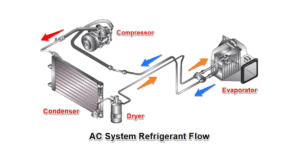 Having dealt with AC issues in several vehicles over the years, I’ve learned that condenser leaks are among the most common air-conditioning problems drivers face. While the repair can sometimes be straightforward, ignoring the issue often leads to bigger and more expensive repairs down the road.
This guide covers everything you need to know about car AC condenser leak repair, from identifying symptoms and diagnosing leaks to repair options, costs, and prevention strategies.
What Is a Car AC Condenser?
The AC condenser is a vital component of your vehicle’s air conditioning system.
Its primary job is to release heat absorbed from inside the cabin. Located near the front of the vehicle, usually behind the grille and in front of the radiator, the condenser cools high-pressure refrigerant gas and converts it into liquid refrigerant.
Without a functioning condenser, your AC system cannot properly cool the air.
How the Condenser Works
The process works like this:
- The compressor pressurizes the refrigerant.
- Hot refrigerant enters the condenser.
- Airflow removes heat.
- Refrigerant changes into liquid form.
- Liquid refrigerant travels to the expansion valve.
- Cold air is produced inside the cabin.
When a leak develops, refrigerant escapes, reducing cooling efficiency and eventually causing total AC failure.
Common Signs of an AC Condenser Leak
Recognizing the symptoms early can save money and prevent additional damage.
1. Warm Air from Vents
This is often the first noticeable symptom. If your AC blows warm or slightly cool air despite being set to maximum cooling, refrigerant loss may be occurring.
2. AC Performance Gradually Declines
Unlike sudden compressor failures, condenser leaks usually worsen gradually. Cooling effectiveness decreases over days, weeks, or months.
3. Visible Refrigerant Leak
Some refrigerants contain UV dye. You may notice:
- Green residue
- Yellow stains
- Oily buildup
around the condenser.
4. Hissing Noise
Escaping refrigerant sometimes creates a faint hissing sound. This may occur immediately after shutting off the vehicle.
5. Compressor Cycling Frequently
Low refrigerant levels cause the compressor to switch on and off repeatedly. This behavior indicates abnormal system pressure.
6. Dashboard Warning Indicators
Some modern vehicles monitor AC system pressures and may display warning messages.
What Causes AC Condenser Leaks?
Several factors contribute to condenser failure.
Road Debris Damage
Because the condenser sits near the front of the vehicle, it is vulnerable to:
- Stones
- Gravel
- Road debris
- Insects
Small impacts can puncture delicate condenser fins and tubes.
Corrosion
Moisture, road salt, and environmental contaminants can corrode metal surfaces over time. Corrosion is one of the most common causes of leaks in older vehicles.
Vibration Damage
Constant vehicle vibrations may weaken joints and welds. Over time, cracks develop.
Manufacturing Defects
Although uncommon, factory defects occasionally cause premature failure.
Accident Damage
Even minor front-end collisions can damage the condenser.
AC Condenser Leak Diagnosis Methods
Proper diagnosis is critical before performing repairs.
Visual Inspection
Technicians look for:
- Oil residue
- Corrosion
- Physical damage
- Bent fins
This is usually the first step.
UV Dye Testing
A UV dye is added to the refrigerant system. Using a UV light, leaks become visible.
Electronic Leak Detection
Electronic leak detectors identify escaping refrigerant. This method is highly accurate.
Nitrogen Pressure Test
The system is pressurized with nitrogen to locate leaks safely.
Soap Bubble Test
For accessible areas, technicians may apply a soap solution. Bubbles indicate escaping gas.
Repair vs Replacement Comparison
| Factor | Repair Small Leak | Replace Condenser |
| Cost | Lower initially | Higher upfront |
| Reliability | Moderate | Excellent |
| Lifespan | Shorter | Longer |
| Suitable for Small Damage | Yes | Yes |
| Suitable for Major Damage | No | Yes |
| Warranty Coverage | Limited | Often Better |
| Risk of Future Leaks | Higher | Lower |
| Recommended by Most Shops | Sometimes | Usually |
Can You Repair a Leaking AC Condenser?
The answer depends on the severity of the leak.
Situations Where Repair May Work
Small leaks caused by:
- Pinholes
- Minor cracks
- Damaged fittings
Can sometimes be repaired.
Situations Requiring Replacement
Most modern condensers use thin aluminum construction. Replacement is usually recommended when:
- Tubes are punctured
- Corrosion is extensive
- Multiple leaks exist
- Internal contamination occurs
DIY AC Condenser Leak Repair
Many vehicle owners wonder if condenser leaks can be fixed at home.
Tools Required
You may need:
- Safety glasses
- Refrigerant gauges
- Leak detector
- Wrenches
- UV dye kit
Step 1: Confirm the Leak
Never assume the condenser is the source. Inspect all AC components first.
Step 2: Recover Refrigerant
Refrigerant should be professionally recovered. Releasing refrigerant into the atmosphere is environmentally harmful and often illegal.
Step 3: Remove the Condenser
Typical steps include:
- Remove grille or bumper.
- Disconnect AC lines.
- Remove mounting bolts.
- Carefully extract the condenser.
Step 4: Repair or Replace
Minor repairs may involve:
- Aluminum welding
- Specialty sealants
However, replacement is usually more reliable.
Step 5: Install New Components
Replace:
- O-rings
- Seals
- Damaged fittings
Step 6: Vacuum and Recharge
The system must be evacuated using a vacuum pump before recharging.
Professional AC Condenser Leak Repair
Professional repair offers several advantages.
Accurate Diagnosis
Technicians use advanced leak detection equipment.
Proper Refrigerant Handling
Certified mechanics safely recover and recharge refrigerant.
Warranty Protection
Many repairs include warranties.
Faster Turnaround
Most repairs are completed within a few hours.
Average AC Condenser Repair Costs
Costs vary by vehicle type and location.
| Service | Average Cost |
| Leak Inspection | $50 – $150 |
| UV Dye Test | $30 – $100 |
| Condenser Repair | $100 – $400 |
| Condenser Replacement | $300 – $1,200 |
| Refrigerant Recharge | $100 – $350 |
| Complete AC Service | $400 – $1,500+ |
Luxury vehicles generally cost more.
Is AC Stop Leak a Good Solution?
Many auto parts stores sell AC stop-leak products. My experience with these products has been mixed.
Advantages
- Low initial cost
- Quick application
- Temporary relief
Disadvantages
- Often temporary
- May clog equipment
- Can damage professional AC machines
- Doesn’t fix major leaks
For long-term reliability, condenser replacement remains the preferred solution.
How Long Does Condenser Replacement Take?
Most repairs take:
- 2–4 hours for simple vehicles
- 4–6 hours for complex vehicles
- Longer for luxury models
Parts availability can also affect repair time.
Can You Drive with a Leaking AC Condenser?
Technically, yes, but it is not recommended. Potential risks include:
- Compressor damage
- Increased repair costs
- Reduced fuel efficiency
- Complete AC system failure
The longer the leak continues, the more expensive repairs may become.
How to Prevent Future Condenser Leaks
Prevention is often cheaper than repair.
Keep the Front Grille Clean
Remove debris regularly.
Install Protective Mesh
Protective screens help reduce stone damage.
Wash Road Salt Away
Winter road salt accelerates corrosion.
Schedule Regular AC Inspections
Annual inspections help identify issues early.
Fix Small Problems Immediately
Small leaks rarely stay small.
Buyer’s Guide: Choosing the Best AC Condenser Repair Option
Before spending money, consider these factors.
Vehicle Age
For older vehicles:
- Repair may be cost-effective.
For newer vehicles:
- Replacement often provides better value.
Leak Severity
Minor leaks may be repairable. Major leaks usually require replacement.
Warranty Coverage
Check:
- Manufacturer warranty
- Extended warranty
- Repair shop warranty
Condenser Material Quality
Higher-quality condensers generally last longer. Look for:
- Corrosion-resistant aluminum
- OEM-quality construction
- Reputable manufacturers
Labor Costs
Labor can exceed the cost of the part itself. Obtain multiple estimates before proceeding.
OEM vs Aftermarket Parts
OEM Parts
Pros:
- Exact fit
- Factory quality
Cons:
- Higher cost
Aftermarket Parts
Pros:
- Lower cost
- Wider availability
Cons:
- Quality varies
For long-term reliability, premium aftermarket or OEM parts are typically the best choice.
My Personal Experience with AC Condenser Repairs
Over the years, I’ve encountered condenser leaks in both older sedans and newer SUVs.
In nearly every case, replacing the condenser delivered better results than attempting temporary repairs. While the upfront cost was higher, the repair lasted longer and eliminated recurring refrigerant loss.
One lesson I’ve learned is that waiting too long often damages the compressor, turning a moderate repair into a very expensive one. Early diagnosis consistently saves money.
If your vehicle shows signs of a condenser leak, addressing it promptly is usually the smartest decision.
Read More: How Long Do Car Rotors Last
FAQs: Car AC Condenser Leak Repair
How do I know if my AC condenser is leaking?
Common signs include warm air, reduced cooling performance, visible oily residue, refrigerant loss, and hissing noises.
Can a leaking condenser be repaired?
Small leaks may be repairable, but most modern condensers are replaced for long-term reliability.
How much does condenser leak repair cost?
Repair costs typically range from $100 to $400, while replacement often costs $300 to $1,200 or more.
Is it safe to drive with a leaking condenser?
You can drive the vehicle, but continued refrigerant loss may damage the compressor and increase repair costs.
How long does a condenser last?
Most condensers last 8–15 years, depending on driving conditions and maintenance.
Can AC stop leak fix condenser leaks?
It may temporarily seal tiny leaks but is generally not a permanent solution.
Why does my condenser leak after an accident?
Front-end impacts often damage condenser tubes and fittings because the condenser is mounted near the grille.
Does insurance cover condenser damage?
If damage results from a collision or covered event, insurance may pay for repairs. Wear-and-tear failures are usually not covered.
What happens if the refrigerant completely leaks out?
The AC system stops cooling, and the compressor may suffer damage if operated continuously.
Should I repair or replace my condenser?
For significant damage, replacement is usually the better long-term investment.
Final Thoughts
Car AC condenser leak repair is one of the most common air conditioning repairs vehicle owners face. While some minor leaks can be repaired, replacement is often the most reliable long-term solution.
Early detection, proper diagnosis, and timely repairs can prevent costly compressor damage and keep your vehicle comfortable during hot weather.
Whether you choose a DIY approach or professional service, understanding the causes, symptoms, and repair options helps you make an informed decision and avoid unnecessary expenses.