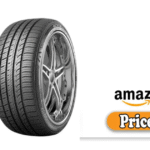
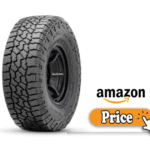
If you’ve ever scrolled through tire options for your SUV, truck, or performance ride, you’ve probably come across Atturo. They push a vibe “performance tires without breaking the bank,” rugged off-road potential, and a kind of “underdog with attitude” image.
But beyond the marketing hype: who actually owns Atturo? Where are their tires made? Are they worth your money or just another budget gamble? In this article titled “Who Owns Atturo Tires | My Honest Experience.”
I’m going to delve into the ownership question, detailing what I like and dislike about Atturo, sharing my personal ride history with them, discussing design, performance, build quality, and even suggesting an alternative option if you’re on the fence.
If you ever thought “Atturo seems too good to be true,” this deep dive might help you decide for real.

Who Owns Atturo Tires
Let’s get the ownership question out of the way first. Atturo was founded in 2009 by an American entrepreneur, Michael Mathis, and as of 2025, he remains President of the company.
According to the company’s own “About” page, Atturo remains 100% independently owned and operated, so it isn’t part of a massive tire conglomerate like some of its competitors.
That independence is part of their appeal. Atturo positions itself as a brand built by people who understand the real-world needs of drivers, not a big corporate outfit concerned only with quarterly earnings.
As for where their tires are manufactured, red even although Atturo is American-owned, their manufacturing is outsourced. They work with partner factories globally: primarily in Thailand and Taiwan, with a more “limited number” of tires made in China.
So, in short, Atturo is a privately held American brand run by the founder; it’s not a subsidiary of a giant tire corporation.
What I Like
Here’s what, in my view, works for Atturo: why the brand still deserves attention (and why I gave them a shot myself).
Affordability + Value
- The biggest draw: Atturo offers tires at price points well below premium brands, yet often with tread designs and specs that look aggressive and capable. For drivers on a budget, especially those running trucks, older SUVs, or who don’t need top-tier ultra-premium tires, that value proposition hits hard.
- “Performance within reach,” their motto, actually feels real. For many use cases (daily driving, occasional off-roading, or hauling), they deliver a strong bang-for-buck.
Decent Variety & Purpose-Built Lineup
- Their lineup isn’t just “one type fits all.” They offer tires for SUVs, light trucks, crossovers, performance cars, and even UTV/side-by-side vehicles.
- Off-road or on-road, they attempt to cover both. Their off-road-oriented models (like their “Trail Blade” series) aim for aggressive traction and ruggedness, while strand eeand t-focused offerings try to balance ride comfort and daily usability.
Independent Ownership & Transparent Info
- Because they’re independent, Atturo seems more transparent about what they are: a value-focused, niche-oriented tire brand. There’s no big corporate veil behind them. That gives a certain “authentic” feel to the brand; you don’t get the sense they’re trying to overpromise “luxury.”
- The company shares history, tire lineup details, and even manufacturing sources at least in broad strokes. That openness gives you something to evaluate when comparing tire options.
For the Price — Pretty Solid Performance (Often)
- From personal hours on the road and sifting through many user reviews, a good number of drivers report satisfactory, even strong, performance from Atturo tires, especially for daily driving, light off-road, and general SUV/ truck use.
- Considering what you pay vs. what you get, many find the compromise acceptable. For an SUV owner who doesn’t demand ultra-high-end performance, Atturo provides a trustworthy, affordable option.
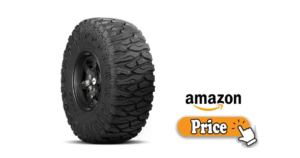 👉🏿👉🏻 Check The Latest Price and Offer at Amazon 👈🏻👈🏿
What Could Be Better
No tire brand is perfect; etc., Trade-offs come with the lower price and niche focus. Here’s where Atturo shows limitations or raises questions.
Mixed Quality & Manufacturing Variability
- Because Atturo outsources manufacturing across multiple factories (Thailand, Taiwan, and some in China), there’s potential for inconsistency. Some units seem great. Others not so much.
- Third-party reviews and user reports sometimes cite issues like tread separation, bulges, and uneven wear a risks higher than with premium-tier tires.
Longevity & Warranty Limitations
- While some models offer tread-wear warranty (e.g., 40,000–60,000 miles, or certain mileage/tread warranties depending on tire c, class), some of their aggressive off-road or specialty models (e.g., heavy-duty M/T, SXS, etc.) come with only a standard 3-year manufacturer defect warranty, but no tread-life guarantee.
- For heavy users (lots of highway miles, towing aggressively off-road, hard off-roading), the wear rate and lifetime might lag behind premium,m tires, something to consider if you demand durability over cost savings.
Mixed User Reviews — Not Always Consistent
- While many users praise Atturo, there are also voices calling them “cheap tires” or complaining about failure. For example:
“Atturo’s are cheap Chinese trash, don’t buy them.” “These tires are the worst in rain, wet, humid conditions.” (referring to a specific model)
- This sort of variability suggests that if you opt for Atturo, there’s a certain degree of “luck of the draw” depending on the batch, installation, vehicle type, and maintenance.
Not Premium Ride Feel or Ultra Performance
- If you’re used to top-tier tires, especially for high-speed highway cruising, sports driving, long-distance touring, or extreme off-road, Atturo may feel like a compromise. Noise, ride comfort, and handling might not match up to premium peers.
- In demanding conditions (heavy rain, very rough terrain, high-speed performance), performance tends to be more modest compared to premium brands. Mixed reviews on wet handling or long-term reliability reflect this.
My Personal Experience
Alright, let’s talk about my ride and what Atturo looked like through my own seat time. I run a mid-sized SUV mostly for daily commuting, occasional light off-road when I hit back-country dirt roads or do some weekend adventure trips, and some highway drives now and then.
Why I Went With Atturo
I wasn’t looking for full-on luxury. I’ve had enough cars to know that sometimes you want a solid tire that doesn’t make you wince at the price tag. When I first saw Atturo’s lineup, I liked the rugged styling, the implied off-road capability, and their honest positioning as “value” tires. I thought: “Why pay a premium if I don’t need a premium all the time?”
So I ended up going with a set of their “Trail Blade A/T” tires, size and load rating matching my SUV’s specs. I figured if they lasted as long as the originals (or better), I’d be ahead, and if not, I wasn’t out a fortune.
What Worked for Me
- Everyday Driving: On regular city roads, gravel driveways, and even some mildly rough rural roads, they handled well. Ride comfort was acceptable, and the noise level was reasonable. For commuting, moving around town, and running errands more than enough.
- Wet Conditions (Moderately Wet): I drove through some rain, light showers, occasional wet pavement they held up decently. Not supremely confident like a premium touring tire, but I felt safe up to moderate speeds with good tread depth.
- Light Off-Road / Dirt Roads: When I took the SUV on less-than-paved back roads, gravel, and dirt tracks, the “Trail Blade” tread pattern gripped adequately. For occasional adventurous driving, they weren’t bad at all.
- Value Over Time: Considering what I paid vs. what I got, they delivered solid value. I wasn’t expecting bulletproof longevity, just a dependable set for everyday use.
What Fell Short (for Me)
- High-Speed Highway Cruise: On the interstate, especially at sustained high speeds, the ride was a bit rougher than I’m used to. Not dangerous, just not as smooth or planted as some premium tires I’ve tried.
- Long-Term Wear: As of around 30,000–35,000 miles, I started noticing more wear than I would’ve liked on a “premium”-rated tire. I suspect that for heavy use (lots of miles, harsh weather), these may not last as long.
- Confidence Gap: Especially in heavy rain or if I was loading/carrying a heavy weight, I felt the limits. I’d say for “normal to moderate” use, they’re okthat that ay; but for extreme driving scenarios, I’d consider upgrading.
My Personal Verdict
For what I paid and considering how I drive, Atturo met expectations. They weren’t amazing. They weren’t premium. But they were solid, honest, value-oriented tires that got the job done.
If you’re not chasing performance benchmarks, but just want dependable rubber that doesn’t break the bank, Atturo’s a legit option.
Design
When it comes to design, both aesthetic and functional,l Atturo tires try to balance aggressive styling with practical functionality.
Tread Patterns & Visual Styling
- Atturo’s “Trail Blade” series has a rugged, aggressive tread design with big shoulder blocks, deep grooves, and a bold off-road look. On an SUV or light truck, they really give the vehicle a ready-for-adventure appearance.
- Their street / all-terrain lines often aim for a “hybrid” feel: enough grip and stiffness for on-road control, but with enough tread depth and design to handle light off-road or mixed-terrain use. This is particularly seen in their all-terrain and crossover-targeted tires.
Engineering & Functional Design
- Atturo doesn’t build everything in-house; they partner with manufacturing facilities in Asia. But they (claim to) set their own engineering specs, quality standards, and designs, meaning they’re not just slapping their name on generic tires.
- The fact that they offer specialized tires for SUVs, light trucks, performance cars, and even UTV / side-by-sides speaks to a design philosophy tailored to user needs, not a one-size-fits-all approach.
What the Design Aims For
Atturo seems to be aiming for a middle ground: giving you more than basic economy tires but not charging you like premium end-of-the-line.
Their design intent appears to be “capable enough” for everyday driving, occasional off-road or adventure use, and flexible enough for a variety of vehicle types without the steep price markup.
Performance
Performance, how the tires actually behave on the road or off-road in the weather, under load, is, of course, a key factor. Here’s how I see Atturo performing, and where they shine vs. where they struggle.
What They Do Well
- Daily Driving & Mixed Terrain: For urban/suburban driving, occasional gravel or dirt roads, and light off-roading, as they handle well. The traction is solid, ride comfort is acceptable, and noise levels are manageable. For many drivers (especially SUVs/trucks used for commuting + occasional adventures), that’s exactly the sweet spot.
- Budget-Friendly Off-Road / Mixed Use: If your off-road demands are light to moderate, like dirt tracks, gravel, light mud, snow, or occasional towing, Atturo gives a good balance of grip and off-road capability without overspending.
- Decent All-Weather / All-Purpose Performance (With Limits): For the price, their all-terrain / all-weather models perform reasonably in rain, mild wet conditions, light snow (in some cases), especially when tread depth and tire pressure are maintained.
Where Performance Is Limited
- Sustained High-Speed Highway or Long Drives: Compared with premium touring or performance tires, Atturo tends to feel a bit less stable or smooth at high speeds. Handling isn’t “sporty,” and ride comfort can degrade over long distances.
- Extreme Conditions (Heavy Rain, Deep Off-Road, Heavy Loads): When pushed hard, heavy towing, deep mud or snow, rough terrain, or severe weather, Atturo sometimes shows its budget roots. Some user reports mention loss of traction in heavy rain or early tread wear.
- Longevity vs. Premium Brands: Over time and miles, I noticed more wear than I might expect with premium-tier tires. If you drive a lot, tow often, or demand long-term durability, these tires might become a “consumable” rather than a “long-term investment.”
Build Quality
“Quality” in a lower-cost tire brand is always a balancing act. With Atturo, you get a product that, in many ca, feels solid and decent for what you pay. But it’s not bulletproof; a building’s consistency can vary.
- Because manufacturing is outsourced to partner factories (in Taiwan, Thailand, and occasionally China), there’s an inherent variability. However, the company claims to hold tight specifications and quality standards, rather than simply privatizing generic tires under its brand.
- For many users (myself included in some stretches), the build seems adequate: the tires hold air, tread intact, balance relatively stable, and no obvious major defects for standard driving conditions.
- That said, with harder use (off-road, heavy loads, harsh weather), build quality limitations become more visible: tread wear accelerates, sidewall stiffness shows, and in some reported cases, issues such as bulges or uneven wear occurred.
- Compared to premium or OEM-level tires, Atturo doesn’t offer the same level of refinement in compounds, structural rigidity, or ride smoothness. It’s a “solid budget performer,” not a “luxury performance tire.”
Alternative Option
If you’re reading this and thinking, “Okay, Atturo sounds decent, but maybe I want something a bit more premium, still not top-end expensive, but with more consistency”, I’d suggest looking into mid-tier or value-plus tires from more established brands. Something with a stronger track record for uniform build quality, warranty support, and consistent performance across conditions.
For example: mid-range all-terrain or all-season tires from well-known brands that balance cost vs quality, or slightly premium tour/AT tires offering longer tread life and better wet-weather confidence.
Without naming a specific tire off the bat (because your vehicle type, driving habits, and climate matter a lot), I recommend you compare:
- What you want: daily driving vs. off-road vs. mixed
- What you need: mileage warranty, wet-weather handling, load rating, ride comfort
- How often do you drive / tow/travel?l
I can help you pick 3–5 “best alternatives to Atturo (2025)” based on your vehicle type and budget if you tell me what you drive (SUV, truck, sedan) and a rough budget.
Final Thought
At the end of the day Atturo isn’t for everyone, and it doesn’t try to be. What Atturo offers is real: affordable tires, with honest tradeoffs, designed for everyday drivers, adventure-seekers on a budget, and folks who don’t need to overspend for “branding.” Their independent ownership, modest pricing, and decent lineup make them a valid option if your expectations match their strengths.
If I were you, with a similar vehicle and driving habits as mine: commuting, some dirt-road drives, occasional adventure, but no hardcore racing or heavytowingn I’d give Atturo a try again. Would I choose them for a luxury long-distance tour car or a heavy-duty towing truck? Probably not.
But as a solid, budget-conscious everyday tire option, they’ve earned their stripes in my book. “Who Owns Atturo Tires | My Honest Experience” in my experience, Atturo is a non-nonsense brand: flawed, but honest. If you approach them with realistic expectations, they can deliver.
Read More: Who Carries Bridgestone Tires | My Honest Experience
FAQs: Who Owns Atturo Tires | My Honest Experience
Q: Who owns Atturo Tires?
A: The brand is owned by Atturo Tire Corp., originally founded in 2009 by Michael Mathis. As of 2025, it remains privately and independently owned and operated.
Q: Where are Atturo Tires made?
A: Atturo tires are produced in partner manufacturing facilities primarily in Thailand and Taiwan, with a limited number made in China.
Q: Are Atturo Tires good?
A: They can be if you’re looking for affordable, value-focused tires for everyday driving, light off-road, SUVs/light trucks, or casual use. For heavy-duty, high-performance, or premium ride quality, they may not match up to top-tier tires.
Q: Do Atturo Tires come with a warranty?
A: Yes. Many of their tires carry a manufacturer’s defect warranty of 3 years. Some models also offer a tread-wear/mileage warranty (often 40,000–60,000 miles, depending on the tire class).
Q: Should I buy Atturo for my SUV/truck?
A: If you want a budget-conscious, decent-performing tire for regular commuting, occasional off-road or adventure, and aren’t expecting premium smoothness or long high-speed highway touring, yes, Atturo is worth considering.
If you need maximum performance and, long-lasting feel, you may want to look at higher-end alternatives.