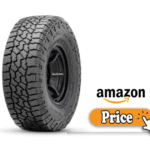
If you’re anything like me, someone who likes a mix of daily driving comfort and decent off-road capability without spending an arm and a leg, you’ve probably seen AMP Tires and their “Terrain Attack” line somewhere online or at a tire shop.
Over the last couple of years, I’ve run a set on my (truck / SUV / light-duty off-road rig), and I’ve had enough miles on them (on pavement, gravel, dirt, and a bit of snow) to call it “my honest experience.”
In this review, I’ll walk you through what I like, what could be better, and whether, at the end of the day, my AMP Terrain Attack tires are a worth-it choice for a typical U.S. driver who enjoys occasional adventure.
If you search for “Who owns AMP Terrain Attack tires,” you may find numerous opinions, but I want to provide a real-world breakdown. Let’s dive into it.

What I Like
Here’s what genuinely stands out to me about the AMP Terrain Attack tires:
- Balanced on-road and off-road performance. The all-terrain versions (like AMP Terrain Attack A/T A) manage to balance on-road comfort with off-road capability. For daily driving commuting, highway runs, and city cruising, they’re surprisingly smooth. At the same time, when you hit dirt, gravel, or mild trails, the tread design gives you confidence.
- Value for money. Compared to premium-brand tires that cost considerably more, AMP Terrain Attack tires deliver a mix of features, decent tread depth, an aggressive look, and good sidewall design at an attractive price. For people on a moderate budget but wanting “some off-road readiness,” it’s a nice middle ground.
- Good off-road bite and self-cleaning tread. The multi-block pattern, deep stepped tread blocks, and well-designed grooves channel mud, dirt, water, sand, or debris away, helping maintain traction on loose or unpaved surfaces. For casual off-road use, light trails, gravel roads, or campsite access roads, this works well.
- Acceptable noise and ride comfort for what it is. Some all-terrain and adventure-tuned tires can be unbearably loud or harsh on pavement. With AMP’s all-terrain model, the ride isn’t luxurious, but it’s far from being “torture.” Especially in stocrobust-truck mode, the ride is tolerable, and road noise isn’t too distracting.
- Flexibility across seasons (with caveats). While not a specialized winter tire, AMP’s all-terrain option carries decent all-season cred and can handle light snow or slush enough for drivers in areas with mild to moderate winters.
Tread-life potential (when rotated properly). With regular rotation and maintenance, some users have reported solid mileage over months or years. For a tire in this price range, that’s a plus. 👉🏿👉🏻 Check The Latest Price and Offer at Amazon 👈🏻👈🏿
What Could Be Better
No product is perfect, and AMP Terrain Attack tires have their share of caveats. Based on my experience, plus what others report, here are some of the areas where these tires may fall short.
- Wet-road (and sometimes rain) performance is uneven. While on dry road, things are quite stable; once rain hits, or the pavement is slick, traction feels more “iffy.” Braking distance increases, and cornering confidence tends to drop compared to all-season dedicated tires.
- Not ideal for serious snow/ice conditions. AMP markets some of their Terrain Attack models as all-season/all-terrain, which are, but they’re not true winter tires. On icy roads or deep snow, these tires often underperform. If you live somewhere with heavy winters, you’ll probably want real winter tires in cold months.
- Treadwear and longevity can be inconsistent — especially under heavy use or heavy loads. Some drivers have noticed faster-than-expected wear, especially with the more aggressive or mud-terrain oriented versions. On pavement-heavy driving or long highway miles, the softness needed for off-road grip becomes a disadvantage.
- Ride feel and refinement are “budget-tier.” If you’re coming from premium touring tires or value a super smooth, silent ride, AMP’s tires may feel a little “trucky.” Over bumps or rough patches, ride harshness is noticeable compared to refined highway tires.
- Possible balancing issues or uneven wear (on some units). In certain cases, especially with mismatched wheels/offsets or lifted suspensions, people have reported that the tires were hard to balance or developed uneven wear patterns. That can compromise ride quality and longevity.
My Personal Experience
When I first put a set of AMP Terrain Attack A/T A tires on my truck, mostly for daily driving, weekend gravel-road adventures, and occasionally some forest-road access for camping, I wasn’t expecting miracles.
I was looking for “good enough” and “good value.” Over the last 20,000 miles (mixed driving: highway, city, gravel, light dirt roads, occasional snow/slush), here’s how things played out:
- Daily driving (city + highway): Solid. The tires felt stable, steering was predictable, and I didn’t get any odd vibration or wobble (after proper balancing). They aren’t silent; there’s a slight hum at highway speeds, but nothing that spoiled the ride. On over 500-mile highway trips, I was comfortable and didn’t dread the ride.
- Wet weather: Mixed results. On light rain or damp roads, the grip seemed okay. But heavy rain or wet turns required extra caution, braking distances felt longer, and cornering didn’t feel as planted. I was always alert and more cautious in the wet, partly because I know these are “value-centered” AT tires rather than premium all-season highway tires.
- Gravel roads / light dirt / forest-road runs: This is where the tires earned their keep. The tread grabbed well on loose gravel or hard-packed dirt. Even when dusty or muddy, the self-cleaning tread pattern helped clear muck and preserve traction. I felt confident driving into campsites or gravel-road property without fear of slipping.
- Snow / light winter conditions: I did have to drive through a few snowy or slushy days. The tires got me through 2-3 inch snowpacks or slush without drama, as long as I was careful. But on a heavier snow/ice day, I wished I had dedicated winter tires; traction was noticeably lacking once things got icy.
- Wear over time: By the ~15,000-mile mark, I did notice some tread wear, not catastrophic, but noticeable. I followed a rotation schedule (~ every 5,000 miles) and kept proper inflation. I expect, with good maintenance, maybe ~30,000–40,000 miles total life, but not much more.
Overall, they delivered good enough for what I paid, and in many cases, better than I expected.
Design
What sets AMP Terrain Attack tires apart (at least on paper and in my practical use) is their thoughtful tread and sidewall design:
- Multi-block and aggressive tread pattern: On the all-terrain A/T A model, AMP uses a multi-block tread design with deep and stepped blocks. That helps with traction on loose surfaces, and the gaps aid in channeling out dust, mud, water, and debris. This design enhances off-road grip while still retaining decent on-road stability.
- Sidewall features (lug design / dual-lug sidewall): The tires employ a “Dual Variation Lug Sidewall” technology, meaning sidewalls have extra lug design that boosts traction when you dig into sand, snow, mud, or uneven ground. That’s useful if you’re off-roading or navigating rough terrain.
- Self-cleaning tread and debris eviction: The large tread voids + stepped blocks help expel dirt, rocks, slush, water, and mud, which helps prevent clogging and maintains traction in varied conditions. For casual off-roading or gravel-road loops, this gives a confidence boost.
- Balanced for mixed use: The design isn’t extreme (like full mud-terrain tires;s), instead, AMP aims for a “jack-of-many-trades” profile: decent off-road, acceptable on-road, and relatively versatile for mixed-use owners. That makes them an appealing option if you don’t want to keep switching tires when the seasons or your activities change.
In short, ort: the design philosophy behind Terrain Attack seems to be “value-driven versatility.” They’re not hyper-specialized, but for many everyday drivers with occasional off-road or adventure use, they strike a balance.
Performance
Breaking down how AMP Terrain Attack tires perform across different conditions based on my experience and broader owner/user feedback:
| Condition / Use Case | Performance & My Take |
| Dry Pavement / Highway / City Driving | Quite stable. Steering is predictable, ride is firm but acceptable. Slight road-noise hum at high speeds. Overall, good for daily driving and highway cruising (commutes, long trips). |
| Wet Roads / Rain | Mixed. Light rain or drizzle was manageable, but heavy rain / slick roads reduced confidence. Braking and cornering felt less precise, so driving more cautiously is wise. |
| Light Snow / Slush / Mild Winter | Works decently for mild snow or slushy conditions. The tread handles slush and shallow snow okay. But in heavier snow/ice, traction becomes questionable. Not a substitute for true winter tires. |
| Gravel Roads / Dirt / Loose Terrain / Light Off-Road | This is the strong suit. On gravel, dirt, or light trails, the tires hold well; grip is decent, traction remains steady, and tread cleans itself nicely. Gravel road weeps, campsite access, dirt road commutes, no sweat. |
| Mud / Loose Sand / Rough Terrain / Aggressive Off-Road | The all-terrain A/T model is decent for mild off-road, but if you plan heavy mud, deep sand, or serious rock crawling, you might want a sturdier M/T or a purpose-built off-road tire. AMP offers more aggressive variants (like AMP Terrain Attack M/T A), but those come with a compromise. |
| Tread Longevity & Wear Under Mixed Use | Reasonable if you rotate tires and maintain proper inflation. Over heavy highway miles or city commuting, expect moderate wear, not premium-tier life, but fair for the price. |
Overall: performance aligns with what AMP advertises, a versatile tire that’s more “adventure-ready daily driver” than “full-on off-road beast.”
For light to moderate off-road, mixed driving conditions, and everyday use, they hit a sweet spot between value and capability.
Build Quality
Based on what I’ve observed and what other users report, here’s how the build and construction come across for AMP Terrain Attack tires:
- Solid construction for light-truck / SUV use: AMP seems to build Terrain Attack tires with thickness, reinforced sidewalls (especially for heavier loads / off-road stress), and a durable compound suitable for mixed terrain. For normal truck/SUV loads and moderate use, they’re more than capable.
- Good balance between flexibility and toughness: The tread compound and sidewall design offer flexibility (for grip, comfort, traction) while still being tough enough to resist punctures, abrasions, or damage on rough roads. That said, I wouldn’t treat them as rock-crusher tires; they’re more for general-use trucks and light-duty off-road.
- Manufacturing consistency — mostly, but with occasional issues: Most sets seem fine, but there are scattered reports of balancing difficulties, uneven wear, or tread wear being faster than expected under certain conditions (heavy loads, frequent highway miles, aggressive terrain).
- Reasonable warranty and support (on models sold in the S.) For models like Terrain Attack A/T A, there is a limited 40,000-mile tread warranty. For a tire in this price bracket, that adds peace-of-mind as long as you maintain tires properly (rotation, alignment, inflation, etc.)
All told, the build is “good for what it is”: a mid-tier, value-oriented tire that aims to give a balance of durability, comfort, and versatility rather than niche excellence.
Alternative Option
If you like the idea of AMP Terrain Attack but are open to similar tires from other brands, maybe for a different balance (more comfort, better wet-weather grip, or more off-road aggression), here are some alternative options to consider:
- Premium all-terrain tires — If your priority is on-road comfort, wet-road performance, and long tread life rather than off-road versatility, higher-end all-terrain tires from legacy brands (e.g., tires from brands like Toyo, BFGoodrich, etc.) often offer a smoother ride, better handling, and more consistent wear. These tend to cost more but deliver in refinement.
- Dedicated mud-terrain tires (for heavy off-road use) — If you frequently tackle deep mud, rocky trails, or heavy off-road work, an aggressive M/T tire might be better than a balanced A/T. Just know that comes with tradeoffs: more noise, rougher ride, faster wear on pavement, etc.
- Season-specific tires (e.g., winter tires for snow/ice) — If you live somewhere with severe winters, not all-terrain tires can replace a dedicated winter tire for icy roads. It’s often smarter to have a second set of tires for snow/ice than to rely on a “jack-of-all-seasons.”
- Hybrid all-terrain tires from other budget-oriented brands — Some brands aim for the same sweet spot AMP targets (balance + value). They may offer slightly different tradeoffs, perhaps better wet traction or slightly longer life, worth comparing depending on your typical driving conditions.
Final Thought
If you ask me, I think AMP Terrain Attack tires are a solid, honest-value option. They won’t outperform premium brand tires in refinement, wet-weather handling, or long-term tread li, but they’re usually much more affordable, and for many drivers, they deliver exactly what they need: a balance between everyday drivability and occasional off-road capability.
If you’re running a light-duty truck or SUV, doing mostly daily driving with an occasional camping trip or gravel-road adventure, and you want a tire that looks rugged, rides decently, and doesn’t break the bank, KT Rain Attack is worth serious consideration.
That said, set realistic expectations. They’re not luxury all-terrain tires. They’re not rock-crawling super-grippers. They’re a middle-of-the-road compromise, but for many, that’s exactly the sweet spot.
If you l,ike I can compare AMP Terrain Attack vs 3–4 top competitor tires (with pros/cons, cost comparison, and ideal use cases) to help you decide which is most suitable for you. Want me to build that comparison table now?
Read More: Are Cooper Tires A Good Tire | My Honest Experience
FAQs: Who Owns AMP Terrain Attack Tires | My Honest Experience
Q: Who makes or owns AMP Tires (the brand behind Terrain Attack)?
A: AMP Tires is the brand that designs and markets the Terrain Attack line, among others. Their product line includes several variants (A/T, M/T, R/T) to cover different driving needs.
Q: Are AMP Terrain Attack tires good for everyday highway driving?
A: Yes, especially the all-terrain (A/T) variant. For city commuting, highway runs, and daily driving, they handle very acceptably: stable steering, decent ride comfort, and manageable noise levels.
Q: Can I use them for off-road or gravel/dirt roads?
A: Definitely flight-to moderate-duty off-road gravel, dirt roads, forest tracks, mild mud, etc. For aggressive off-road (rocks, deep mud, serious trails), they’re okay but are not the most aggressive mud-terrain tires.
Q: How do they fare in wet weather or snow?
A: They handle light rain and mild snow/slush reasonably well. But in heavy rain, ice, or deep snow, traction and handling deteriorate compared to dedicated all-season or winter tires. Use with caution.
Q: What is the expected lifespan (mileage) of these tires?
A: With regular rotation, good inflation maintenance, and moderate use, many users get decent tread life, perhaps 30,000–40,000 miles. Mileage varies heavily depending on driving style, terrain, load, and maintenance.
Q: Do AMP Terrain Attack tires ride smoothly, or are they noisy?
A: Ride quality and noise are “good for the price.” They’re not as plush or quiet as premium touring tires, but for a mid-tier all-terrain tire, they’re well balanced: you’ll notice some hum at highway speed, but nothing that ruins the ride.
Q: Should I buy AMP Terrain Attack or go for a higher-end brand?
A: It depends on your priorities. If you want a budget-friendly, versatile tire that works for mixed u,se and you don’t need top-tier refinement, AMP Terrain Attack is a fine choice.
If you prioritize long life, best wet-weather/winter performance, or the most refined ride possible, higher-end tires may be worth the extra money.