If you’ve ever shopped for motorcycle tires in the U.S., there’s a very good chance you’ve come across Shinko tires. They pop up everywhere, from local bike shops to online retailers,s and usually with one eye-catching detail: the price.
That’s exactly how I first noticed them. I wasn’t hunting for the cheapest tire on the market, but I was tired of paying premium-brand prices every time I needed rubber. So naturally, the question popped into my head:
Where are Shinko tires, ma, de, and does that matter? This article is my honest, real-world experience with Shinko tires, written from the perspective of an everyday U.S. rider who actually mounted them, rode on them, and lived with them.
No sponsorships. No hype. Just facts, personal impressions, and things I wish someone had told me earlier. If you’re wondering whether Shinko tires are:
- Made in the USA or overseas.
- Good quality or “cheap for a reason.”
- Worth choosing over brands like Michelin, Dunlop, or Pirelli.
You’re in the right place.

Where Are Shinko Tires Made?
Let’s answer the big question right away.
Short Answer:
Shinko tires are made in South Korea.
The Full Story:
Shinko is a South Korean tire brand that traces its roots back to Yokohama Rubber Company. In the late 1990s, Yokohama sold its motorcycle tire molds and technology to Shinko, which is why many riders say Shinko tires are “based on old Yokohama designs.”
That’s not a bad thing. In fact, it’s one of the reasons Shinko tires have gained a solid reputation, especially among riders who want reliable performance without premium pricing.
Today:
- Design & Engineering: South Korea
- Manufacturing: South Korea
- Distribution (U.S.): Shinko North America (based in California)
They are not made in China, which is a common misconception.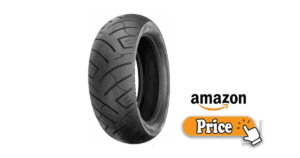 👉🏿👉🏻 Check the Latest Price and Offer at Amazon 👈🏻👈🏿
What I Like About Shinko Tires
Let’s start with the positives because there are quite a few.
1. Price-to-Performance Ratio
This is the biggest reason people buy Shinko tires. In my experience, Shinko offers:
- Solid grip
- Predictable handling
- Acceptable longevity
…at a price that’s often 30–50% cheaper than major premium brands. For riders on a budget or those who burn through tires quickly,y that matters.
2. Surprisingly Good Grip (Especially for the Price)
I’ll be honest: I expected “okay” grip. What I got was better-than-expected traction, especially:
- In dry conditions
- On twisty backroads
- During casual sport riding
No, they’re not track-day tires, but they’re also not sketchy.
3. Wide Range of Motorcycle Tire Options
Shinko doesn’t just make one or two models. They cover a lot of ground:
- Sportbike tires
- Cruiser tires
- Adventure / dual-sport tires
- Off-road and dirt bike tires
That makes them accessible for a wide range of riders.
4. Easy Availability in the U.S.
Living in the U.S., availability matters. Shinko tires are:
- Easy to find online
- Stocked by many local shops
- Supported by a U.S.-based distributor
That means faster shipping and easier warranty support.
What Could Be Better
No,w let’s be fair. Shinko tires are not perfect.
1. Shorter Tire Life (Compared to Premium Brands)
This is probably the most common complaint,t and it’s valid. In my experience:
- Shinko tires wear faster than Michelin or Dunlop
- Softer compounds = more grip, less mileage
If you ride aggressively or commute long distances, expect to replace them sooner.
2. Wet Weather Performance Is “Good,” Not Amazing
They’re fine in the rain,n but they don’t inspire maximum confidence. Compared to higher-end touring tires:
- Wet grip is acceptable
- Standing water performance could be better
For casual riding, it’s fine. For heavy rain commuters, it’s something to consider.
3. Brand Perception
Let’s be honest, some riders still turn their nose up at Shinko.
That doesn’t affect performance, but if brand prestige matters to you, Shinko won’t carry the same clout as Michelin or Pirelli.
My Personal Experience Riding on Shinko Tires
I mounted Shinko tires on my bike because I wanted a real-world test, not internet opinions.
Installation & First Impressions
Mounting was straightforward:
- Balanced easily
- No weird defects
- Sidewalls felt sturdy
Right away, the bike felt neutral and stable.
Daily Riding
Over several thousand miles, I rode:
- City streets
- Highway
- Twisty backroads
The tires felt:
- Predictable
- Stable at speed
- Confidence-inspiring during normal riding
No scary moments. No surprises.
Wear Over Time
This is where the “budget” aspect shows. They wore:
- Faster than premium touring tires
- Evenly, which is good
- Without weird cupping or deformation
I expected a shorter life and got exactly that.
Design
Shinko tire design is functional, not flashy.
Tread Patterns
- Designed for stability
- Good water channeling
- Conservative compared to sport-focused brands
They lookpurposefulu,l not aggressive.
Sidewall Construction
The sidewalls feel:
- Firm enough for stability
- Not overly stiff
- Well-built for the price
No cracking or premature aging in my experience.
Performance
Dry Grip
For everyday riding:
- Very good
- Predictable lean-in
- No sudden loss of traction
Cornering
They don’t fall into corners aggressively, which I actually like.
- Smooth transitions
- Stable mid-corner
- Good feedback
Highway Stability
At highway speeds:
- No wobble
- No vibration
- Smooth ride
Even at sustained speeds, they remained composed.
Build Quality
This was one of my biggest concerns before buying. After using them:
- Rubber quality feels solid
- No visible defects
- Manufacturing consistency seems good
Being made in South Korea, not a low-cost no-name factory, shows here.
Alternative Options to Shinko Tires
If Shinko isn’t quite what you’re looking for, here are some alternatives.
Michelin
- Longer tire life
- Better wet performance
- Much higher price
Dunlop
- Excellent all-around performance
- Trusted U.S. brand
- Costs more
Pirelli
- Sport-focused
- Incredible grip
- Faster wear, higher cost
Kenda
- Another budget-friendly option
- Mixed reviews compared to Shinko
Final Thoughts
So… where are Shinko tires made, and are they worth it?
My Honest Verdict
Shinko tires are:
- Made in South Korea
- Well-built
- Affordable
- Perfect for everyday riders
They’re not luxury tires. They’re not tracking weapons. But they do exactly what most riders need, at a price that makes sense.
If you’re riding on public roads, commuting, cruising, or casually enjoying twisty roads, Shinko tires are absolutely worth considering.
FAQs: Where Are Shinko Tires Made | My Honest Experience
Where are Shinko tires manufactured?
Shinko tires are manufactured in South Korea.
Are Shinko tires made in the USA?
No, but they are distributed and supported in the United States.
Are Shinko tires low quality?
No. They are budget-friendly, not low quality.
Do Shinko tires wear faster?
Yes, compared to premium brands, but that’s part of the trade-off.
Are Shinko tires good for daily riding?
Absolutely. They perform well for normal street use.
Are Shinko tires good in the rain?
They are decent, but not the best in heavy rain.
Why are Shinko tires cheaper?
Lower marketing costs, efficient manufacturing, and older proven designs.
Would I buy Shinko tires again?
Yes, for the right bike and riding style.