If you’ve ever turned on your car’s AC and noticed a musty smell, weak airflow, or dust blowing into your face, there’s a good chance your cabin air filter is overdue for a change.
I’ll be honest: for years, I ignored mine. Like many drivers, I thought oil changes and tire pressure were the only things that mattered. The cabin air filter? Out of sight, out of mind.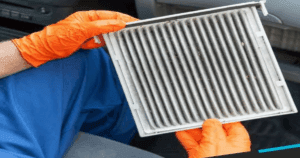 But once I finally replaced it (after far too long), the difference was immediate: cleaner air, stronger airflow, and no more weird odors. So, how often should you change your car cabin air filter? The short answer is: every 12,000 to 15,000 miles (or once a year).
But in reality, it depends on where and how you drive. In this guide, I’ll break everything down in a simple, practical way, no jargon, no fluff. You’ll learn when to change your filter, why it matters, how to choose the right one, and what happens if you don’t.
What Is a Cabin Air Filter (And Why It Matters)?
Your car’s cabin air filter is responsible for cleaning the air that enters your vehicle through the heating, ventilation, and air conditioning (HVAC) system.
It traps:
- Dust and dirt
- Pollen
- Pollution
- Mold spores
- Small debris
Think of it as your car’s “lungs.” If it’s clogged, everything suffers, especially your comfort and health.
How Often Should You Change Your Cabin Air Filter?
General Rule of Thumb
- Every 12,000–15,000 miles
- Or once per year
But that’s just a baseline. Real-life conditions matter more.
When You Should Replace It More Often
You may need to change it every 6,000–10,000 miles if you:
- Drive in dusty or rural areas
- Live in a high-pollution city
- Experience heavy pollen seasons
- Frequently drive in stop-and-go traffic
- Have allergies or asthma
My Personal Experience
I used to stretch mine to nearly two years. Big mistake. Once I started replacing it every 8–10 months, I noticed:
- Better airflow
- Faster cooling
- No more stale smells
- Less sneezing during drives
It’s a small maintenance step that makes a big difference.
Signs Your Cabin Air Filter Needs Changing
Even if you don’t track mileage, your car will give you clues.
Watch for these signs:
- Weak airflow from vents
- Unpleasant or musty odor
- Increased dust inside the car
- Windows fog up more easily
- Allergy symptoms while driving
- Noisy fan operation
If you notice two or more of these, it’s time to replace them.
What Happens If You Don’t Change It?
Skipping this simple maintenance task can lead to:
1. Poor Air Quality
You’ll breathe in more dust, allergens, and pollutants.
2. Reduced AC Performance
A clogged filter restricts airflow, making your AC work harder.
3. Bad Odors
Moisture trapped in the filter can cause mold and mildew.
4. Increased Wear on HVAC System
Your system has to work overtime, which can lead to costly repairs.
5. Foggy Windows
Restricted airflow affects defogging efficiency.
Types of Cabin Air Filters (Comparison Table)
Not all filters are the same. Choosing the right one matters.
| Feature | Standard (Particle Filter) | Activated Carbon Filter | HEPA Cabin Filter |
| Filters Dust & Debris | Yes | Yes | Yes |
| Removes Odors | No | Yes | Yes |
| Blocks Allergens | Moderate | High | Very High |
| Airflow Performance | High | Slightly Reduced | Moderate |
| Price | Low | Medium | High |
| Best For | Basic protection | City driving | Allergy sufferers |
Quick Take:
- Budget option? Go standard
- City driving? Activated carbon is ideal
- Health-focused? HEPA is the best choice
How to Replace a Cabin Air Filter (Simple Overview)
One of the best things? You can often do this yourself in under 10 minutes.
Common locations:
- Behind the glove box
- Under the dashboard
- Under the hood (less common)
Basic steps:
- Locate the filter housing
- Remove the cover
- Take out the old filter
- Insert the new one (correct airflow direction!)
- Reassemble
No tools are needed in many cars.
Buyer’s Guide: How to Choose the Right Cabin Air Filter
Choosing a cabin air filter isn’t complicated, but a few smart decisions can make a big difference.
1. Check Compatibility
Always match:
- Your car’s make, model, and year
- Manufacturer specifications
The wrong size won’t fit properly and can reduce effectiveness.
2. Consider Your Driving Environment
Ask yourself:
- Do I drive in heavy traffic?
- Is my area dusty or polluted?
- Do I suffer from allergies?
Best picks:
- Clean environment → Standard filter
- Urban environment → Carbon filter
- Sensitive health → HEPA filter
3. Balance Price vs. Performance
- Cheap filters work, but don’t last as long
- Premium filters cost more but offer better filtration
My advice:
Don’t go ultra-cheap. It’s not worth it.
4. Look for Trusted Brands
Stick to reputable manufacturers. Quality matters here.
5. Check Replacement Frequency
Some premium filters last longer, saving money over time.
6. Ease of Installation
Most are DIY-friendly, but always check your car’s setup.
Real-Life Performance Differences
After trying multiple types over the years, here’s what I noticed:
Standard Filter
- Cheapest option
- Works fine for basic needs
- Doesn’t help with smells
Carbon Filter
- Huge improvement in odor control
- Great for city driving
- Slightly reduced airflow (barely noticeable)
HEPA Filter
- Best air quality by far
- Ideal for allergies
- More expensive but worth it for sensitive users
How Driving Conditions Affect Replacement Frequency
Urban Driving
- Pollution clogs filters faster
- Replace every 8–10 months
Rural/Dusty Roads
- Dirt buildup is quicker
- Replace every 6–9 months
Highway Driving
- Cleaner air
- Can stretch to 12–15 months
Seasonal Factors
- Spring → pollen buildup
- Rainy seasons → mold risk
Cost of Replacing a Cabin Air Filter
DIY Cost
- $10–$40 depending on type
Mechanic Cost
- $40–$100 including labor
My Take:
Always DIY if possible. It’s one of the easiest maintenance tasks.
Tips to Extend Filter Life
- Avoid driving with windows open in dusty areas
- Use recirculation mode in heavy traffic
- Park in clean, covered areas when possible
- Replace before extreme seasons (summer/winter)
Common Mistakes to Avoid
- Ignoring the replacement for years
- Installing the filter in the wrong direction
- Buying the cheapest option available
- Forgetting to check it during routine service
Read More: Car AC Compressor Cost
FAQs: How Often Change Car Cabin Air Filter
1. Can I drive without a cabin air filter?
Yes, but it’s not recommended. Dust and debris can enter your system and damage components.
2. Is a cabin air filter the same as an engine air filter?
No. The cabin filter cleans air for passengers, while the engine filter protects the engine.
3. How long does it take to replace?
Usually 5–15 minutes.
4. Does changing it improve AC performance?
Yes. Better airflow = better cooling.
5. Are expensive filters worth it?
If you care about air quality or have allergies, absolutely.
6. Can a dirty filter cause a bad smell?
Yes. Mold and trapped particles can create odors.
7. Should I replace it more often in cities?
Yes, pollution clogs filters faster.
8. Do electric cars have cabin air filters?
Yes, and they’re just as important.
9. Can I clean instead of replacing?
Not recommended. Replacement is more effective and affordable.
10. What happens if I install it backwards?
Airflow will be restricted, and filtration won’t work properly.
Final Thoughts
Changing your cabin air filter isn’t just about maintenance it’s about comfort, health, and overall driving experience. It’s one of the simplest and most affordable ways to:
- Improve air quality
- Boost AC performance
- Reduce odors
- Protect your HVAC system
From personal experience, once you start replacing it regularly, you’ll wonder why you didn’t do it sooner.