Let me start with a quick confession: I didn’t really understand what a muffler did until mine started failing. At first, it was just a slightly louder engine sound. Nothing dramatic.
But within weeks, my car went from a smooth, quiet ride to something that sounded like a motorbike with a megaphone. That’s when I realized how important this overlooked component really is.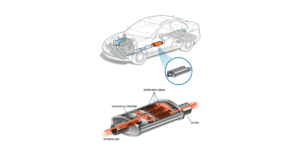 If you’ve ever wondered “What exactly is a muffler?” or “Do I really need it?” you’re in the right place. In simple terms, a muffler is a part of your car’s exhaust system that reduces engine noise and controls sound output. But there’s more to it than just quieting things down.
In this guide, I’ll break everything down in a clear, relatable way, what a muffler does, how it works, types, signs of failure, and how to choose the right one. No technical overload, just practical knowledge you can actually use.
What Is a Muffler?
A muffler (also called a silencer in some countries) is a device installed in your car’s exhaust system. Its main job is to:
- Reduce engine noise
- Control exhaust sound
- Improve driving comfort
Every time your engine burns fuel, it creates gases that exit through the exhaust system. These gases come out in loud bursts. Without a muffler, your car would be extremely noisy.
Simple Analogy
Think of your muffler like a sound “filter.”
Without it, your car would sound like a loud explosion machine.
With it, everything becomes smooth and controlled.
How Does a Muffler Work?
This is where it gets interesting, but I’ll keep it simple. Inside a muffler, there are:
- Chambers
- Tubes
- Perforated pipes
These components work together to:
- Redirect sound waves
- Cancel out noise frequencies
- Reduce sound intensity
Instead of letting exhaust noise blast straight out, the muffler:
- Forces gases through a maze-like path
- Breaks up sound waves
- Cancels them out
My Experience
When I replaced my worn-out muffler, the difference was immediate:
- The car became quieter
- Driving felt smoother
- No more embarrassing loud starts
Why Is a Muffler Important?
Many drivers underestimate this part, but it plays a big role in your driving experience.
1. Noise Reduction
This is the main purpose. Without a muffler:
- Your car would be extremely loud
- You could even violate local noise laws
2. Comfort While Driving
A quieter cabin = less stress and fatigue.
3. Better Exhaust Flow (in some designs)
Certain mufflers can improve performance slightly.
4. Environmental Impact
Some mufflers help control emissions alongside other exhaust components.
Types of Mufflers (Comparison Table)
Not all mufflers are the same. Different designs produce different sounds and performance.
| Feature | Chambered Muffler | Turbo Muffler | Straight-Through Muffler |
| Noise Level | Moderate | Quiet | Loud |
| Performance | Moderate | Balanced | High |
| Sound Type | Deep tone | Smooth | Aggressive |
| Fuel Efficiency | Average | Good | Slightly Reduced |
| Price | Medium | Medium | High |
| Best For | Everyday drivers | Comfort + balance | Performance enthusiasts |
Common Signs of a Bad Muffler
You don’t need to be a mechanic to spot problems. Your car will tell you.
Watch for these:
- Loud or unusual exhaust noise
- Rattling sounds under the car
- Reduced fuel efficiency
- Bad smell inside the car
- Visible rust or holes
- Engine performance issues
Real-Life Example
When mine started failing, I noticed:
- A deeper, louder sound
- Slight vibration
- A faint burning smell
Ignoring it would’ve made things worse and more expensive.
What Happens If You Drive with a Bad Muffler?
This is where things can go wrong quickly.
1. Increased Noise
Your car becomes annoyingly loud.
2. Lower Fuel Efficiency
The engine may work harder.
3. Harmful Fumes
Exhaust leaks can let dangerous gases enter the cabin.
4. Legal Issues
Many places have noise regulations.
5. Damage to Other Components
Ignoring it can affect the entire exhaust system.
Muffler vs Exhaust System (Quick Clarification)
A muffler is just one part of a larger system.
The exhaust system includes:
- Exhaust manifold
- Catalytic converter
- Resonator
- Muffler
Think of the muffler as the “final step” in controlling noise before gases exit the car.
Buyer’s Guide: How to Choose the Right Muffler
If you’re replacing or upgrading your muffler, choosing the right one matters.
1. Define Your Goal
Ask yourself:
- Do I want a quiet ride?
- Better performance?
- A sportier sound?
Recommendations:
- Quiet ride → Turbo muffler
- Balanced → Chambered
- Performance sound → Straight-through
2. Check Compatibility
Always match:
- Car make and model
- Engine size
- Exhaust system type
A wrong fit can cause problems.
3. Material Matters
Common materials:
- Aluminized steel → Affordable, shorter lifespan
- Stainless steel → Durable, rust-resistant
My advice:
If you live in a humid or rainy area, go stainless.
4. Sound Preference
This is personal.
- Want silence? → Turbo
- Want a deep tone? → Chambered
- Want loud sporty sound? → Straight-through
5. Budget Consideration
- Budget: Basic replacement muffler
- Mid-range: Better durability and sound
- Premium: Performance-focused
6. Installation Type
- Bolt-on → Easier installation
- Weld-on → More secure but requires tools
Personal Review: My Muffler Upgrade Experience
After years of using a stock muffler, I decided to upgrade.
What I chose:
A mid-range chambered muffler.
What changed:
- Deeper but not loud sound
- Slightly better throttle response
- More enjoyable driving experience
What I learned:
- Cheap mufflers aren’t worth it
- Sound matters more than you think
- Balance is better than extremes
Maintenance Tips for Mufflers
Want your muffler to last longer? Do this:
- Avoid short trips (moisture buildup causes rust)
- Check for leaks regularly
- Wash the underside of your car
- Fix small issues early
Cost of Replacing a Muffler
Typical Costs:
- Muffler part: $50–$300
- Labor: $50–$150
Total:
- Around $100–$400, depending on your car
My Tip:
Don’t delay replacement; it gets more expensive over time.
Common Mistakes to Avoid
- Ignoring early warning signs
- Choosing the cheapest option
- Installing the wrong type
- Not checking compatibility
- Delaying repairs
Read More: Second Hand Ford Spares: Honest Buyer’s Guide
FAQs: What Is Muffler In Car
1. Can I drive without a muffler?
Yes, but it’s not recommended. It will be extremely loud and may be illegal.
2. Does a muffler affect performance?
Yes, especially performance mufflers. Some improve airflow.
3. How long does a muffler last?
Typically 5–7 years, depending on conditions.
4. What causes muffler damage?
- Rust
- Moisture
- Road debris
- Wear and tear
5. Is a louder muffler better?
Not necessarily. It depends on your preference and local laws.
6. Can a bad muffler affect fuel economy?
Yes, indirectly by affecting engine efficiency.
7. How do I know if my muffler is leaking?
You may hear loud noises or smell exhaust inside the car.
8. Is it expensive to replace?
Not very compared to other car parts.
9. Can I upgrade my muffler for better sound?
Yes, many drivers do.
10. Should I repair or replace?
If damage is severe, replacement is usually better.
Final Thoughts
The muffler might not be the most glamorous part of your car, but it’s definitely one of the most important for everyday comfort.
From my experience, once you notice the difference between a good muffler and a bad one, you’ll never ignore it again. It’s not just about noise, it’s about:
- Driving comfort
- Safety
- Efficiency
- Overall experience
Take care of it, and your car will thank you.