If you’ve ever stood behind a running car and heard that familiar hum or an aggressive roar, you’ve experienced the work of a muffler. But where exactly is it located?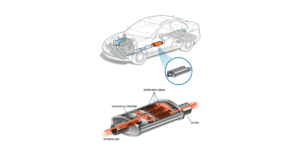 And why does it matter so much for your vehicle’s performance, comfort, and even legality? In this guide, I’ll walk you through everything you need to know about mufflers in a simple, practical way based on real-world experience.
Whether you’re diagnosing a noisy exhaust, planning an upgrade, or just curious, this article will give you clear answers.
Where Is the Muffler Located on a Car?
The muffler is located at the rear of your vehicle, as part of the exhaust system.
Simple Breakdown:
- Starts at the engine → exhaust manifold
- Flows through → catalytic converter
- Passes → resonator (in some cars)
- Ends at → muffler (near the back bumper)
👉 You’ll typically find the muffler:
- Under the car
- Near the rear bumper
- Connected to the exhaust pipe
- Often visible as a metal canister
Quick Tip:
If you see the exhaust pipe sticking out the back of your car, the muffler is just before that outlet.
What Does a Muffler Actually Do?
The muffler’s main job is to reduce engine noise. Without it, your car would sound extremely loud, almost like a racecar or motorcycle.
Key Functions:
- 🔇 Reduces exhaust noise
- 🌬️ Controls sound waves using chambers
- ⚙️ Helps maintain smooth exhaust flow
- 🚫 Keeps your car road-legal (noise regulations)
Muffler vs Other Exhaust Components
Here’s a simple comparison to help you understand where the muffler fits in:
| Component | Location | Function | Noise Control |
| Exhaust Manifold | Near engine | Collects exhaust gases | ❌ None |
| Catalytic Converter | Mid exhaust system | Reduces harmful emissions | ⚠️ Minimal |
| Resonator | Before mufflerTune’s | s sound frequency | ✅ Moderate |
| Muffler | Rear of the car | Reduces overall noise | ✅✅ High |
My Real-World Experience
From personal experience, the muffler is one of those components you don’t notice until something goes wrong.
I once drove a car with a rusted muffler, and the difference was immediate:
- The car became loud and aggressive
- There was a slight drop in comfort
- It attracted unwanted attention 😅
After replacing it, the ride felt smoother, quieter, and more refined.
⚠️ Signs Your Muffler Might Be Failing
Keep an eye (and ear) out for these warning signs:
- 🔊 Loud exhaust noise
- 🚗 Vibrations under the car
- 🛑 Reduced fuel efficiency
- 💨 Visible rust or holes
- 👃 Strong exhaust smell
If you notice any of these, your muffler may need repair or replacement.
Buyer’s Guide: Choosing the Right Muffler
If you’re planning to replace or upgrade your muffler, here’s what you should consider:
1. Type of Muffler
- Chambered Mufflers – Deep, aggressive sound
- Turbo Mufflers – Balanced performance and noise
- Straight-Through Mufflers – Loud and performance-focused
2. Material
- 🟡 Aluminized steel (budget-friendly)
- ⚪ Stainless steel (long-lasting, rust-resistant)
3. Sound Preference
- Quiet and smooth (daily driving)
- Deep tone (sporty feel)
- Loud (performance style)
4. Compatibility
- Always match your car’s make and model
- Check pipe diameter and mounting points
5. Budget
- Basic mufflers: $50–$150
- Performance mufflers: $150–$500+
Muffler Replacement vs Repair
| Option | Cost Range | When to Choose |
| Repair | $20–$100 | Small holes or minor damage |
| Replacement | $100–$500+ | Severe rust, internal failure |
👉 In most cases, replacement is more reliable if the muffler is badly damaged.
Why Muffler Location Matters
Understanding where the muffler is helps you:
- Diagnose noise issues quickly
- Inspect for rust or damage
- Communicate better with mechanics
- Perform DIY checks safely
Can You Drive Without a Muffler?
Technically, yes, but it’s not recommended.
🚫 Downsides:
- Extremely loud noise
- Possible legal fines
- Reduced driving comfort
- Potential engine performance imbalance
Long Deep Dive: How Mufflers Work (Simplified)
Inside a muffler, there are:
- Chambers
- Tubes
- Sound-absorbing materials
These components:
- Redirect sound waves
- Cancel out noise frequencies
- Reduce sound intensity before gases exit
It’s like a sound filter for your engine.
Read More: How To Test Fuel Rail Pressure Sensor
FAQs: Where Is The Muffler On A Car
1. Is the muffler the same as the exhaust?
No. The muffler is just one part of the exhaust system.
2. How long does a muffler last?
Typically 5–7 years, depending on driving conditions and climate.
3. Can a bad muffler affect performance?
Yes, it can slightly reduce efficiency and cause backpressure issues.
4. How do I check my muffler?
Look under the rear of your car for:
- Rust
- Holes
- Loose connections
5. Does upgrading a muffler improve sound?
Absolutely! Performance mufflers can give your car a deeper, sportier tone.
Final Thoughts
The muffler may not be the most glamorous car part, but it plays a huge role in your driving experience. Located at the rear of your vehicle, it keeps things quiet, smooth, and legal.
From my experience, ignoring muffler issues only leads to bigger problems. A quick inspection now and then can save you money and your ears from trouble later.