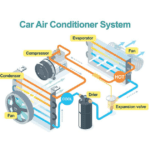
Car air conditioning systems rely on several small but important components. One of the most critical parts is the AC pressure switch. If this tiny sensor fails, your car’s air conditioning might stop working completely.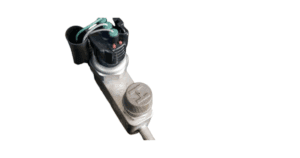 When my car’s AC suddenly stopped blowing cold air during a hot afternoon drive, I assumed the refrigerant was low. However, after some quick troubleshooting, I discovered the problem was actually the AC pressure switch. Testing it turned out to be easier than I expected.
In this guide, I’ll explain how to test a car AC pressure switch, the tools you need, the symptoms of failure, and whether you should replace it or not.
What Is a Car AC Pressure Switch?
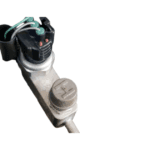
The AC pressure switch is a safety device that monitors refrigerant pressure inside the air conditioning system. Its main job is to:
- Prevent compressor damage
- Maintain proper refrigerant pressure
- Shut off the AC if the pressure becomes too high or too low
If the pressure is outside the safe range, the switch stops power from reaching the AC compressor clutch. Most vehicles have either:
- Low-pressure switch
- High-pressure switch
- Or a dual-pressure switch
Common Symptoms of a Bad AC Pressure Switch
Before testing the switch, it’s helpful to know the warning signs.
1. AC Compressor Not Turning On
The compressor clutch may fail to engage.
2. AC Blowing Warm Air
Without the compressor working, refrigerant cannot circulate.
3. AC Compressor Turning On and Off Rapidly
A faulty pressure reading can cause the compressor to cycle rapidly.
4. AC System Shuts Down Completely
The system may disable itself to prevent damage.
5. AC Works Intermittently
Sometimes it blows cold, sometimes warm.
Tools Needed to Test an AC Pressure Switch
Testing the switch requires only a few simple tools.
- Digital multimeter
- AC manifold gauge set
- Basic socket set
- Safety gloves
- Car repair manual
These tools help you check electrical continuity and system pressure.
Where Is the AC Pressure Switch Located?
The pressure switch is usually found:
- On the AC compressor
- On the high-pressure line
- On the accumulator or receiver dryer
- Near the condenser
In many vehicles, the low-pressure switch sits on the accumulator, while the high-pressure switch sits near the condenser line.
Methods To Test a Car AC Pressure Switch
There are several ways to test it.
Method 1: Visual Inspection
Before using tools, perform a quick inspection. Look for:
- Loose wiring connectors
- Damaged wires
- Refrigerant leaks
- Corrosion around the switch
If the wiring harness is damaged, the switch may appear faulty even though it’s fine.
Method 2: Test Using a Multimeter
This is the most reliable method.
Step 1: Turn Off the Engine
Safety first.
Step 2: Disconnect the Pressure Switch
Remove the electrical connector.
Step 3: Set Multimeter to Continuity Mode
Step 4: Touch Probes to Switch Terminals
Step 5: Check the Reading
Possible results:
- Continuity present: switch is closed
- No continuity: switch is open
Compare the result with the system pressure reading.
Method 3: Jump the Pressure Switch
This is a quick test used by many mechanics.
⚠️ Only perform briefly for testing.
Steps
- Disconnect switch connector
- Insert a jumper wire into the connector terminals
- Start the car
- Turn on the AC
Results
| Result | Meaning |
| Compressor starts | The pressure switch is likely faulty |
| Compressor still off | Another issue |
Remove the jumper immediately after testing.
Method 4: Check Refrigerant Pressure
Sometimes the switch works perfectly, but the system pressure is wrong. Use an AC manifold gauge set to measure pressure.
If the refrigerant is too low, the low-pressure switch will stop the compressor.
AC Pressure Switch Testing Comparison
| Testing Method | Difficulty | Tools Needed | Accuracy | Best For |
| Visual Inspection | Easy | None | Low | Quick checks |
| Multimeter Test | Moderate | Multimeter | High | Electrical diagnosis |
| Jumper Wire Test | Easy | Jumper wire | Medium | Quick troubleshooting |
| Manifold Gauge Test | Moderate | AC gauge set | Very High | Full system diagnosis |
My Personal Experience Testing an AC Pressure Switch
When my sedan’s AC stopped working, I first checked refrigerant pressure. Everything seemed normal. Next, I tested the pressure switch using a multimeter. The result showed no continuity, even though the pressure was correct.
I replaced the switch (which cost less than $40), and the AC started working immediately. That small part saved me from replacing the compressor unnecessarily.
How Much Does an AC Pressure Switch Cost?
Here’s a typical cost breakdown.
| Item | Average Cost |
| AC Pressure Switch | $25 – $80 |
| Labor Cost | $50 – $150 |
| Total Replacement | $75 – $230 |
DIY replacement can save significant money.
Buyer’s Guide: Choosing the Right AC Pressure Switch
If testing confirms the switch is bad, you’ll need a replacement. Here are key factors to consider.
1. Vehicle Compatibility
Always match the switch with:
- Vehicle make
- Model
- Engine type
- Refrigerant system
Using the wrong switch can cause pressure misreadings.
2. OEM vs Aftermarket
OEM Parts
Pros:
- Perfect fit
- High reliability
Cons:
- More expensive
Aftermarket Parts
Pros:
- Cheaper
- Widely available
Cons:
- Quality varies
3. Build Quality
Look for switches with:
- Durable metal body
- High-quality electrical connectors
- Corrosion-resistant coating
Cheap plastic switches may fail quickly.
4. Pressure Rating
Every AC system operates within a specific pressure range. Choose a switch designed for your vehicle’s refrigerant pressure specifications.
5. Brand Reputation
Some reliable automotive brands include:
- Denso
- Four Seasons
- UAC
- Standard Motor Products
These brands produce reliable sensors and AC components.
Can You Drive With a Bad AC Pressure Switch?
Yes, but the AC system may not work. Possible outcomes include:
- AC is blowing warm air
- Compressor not engaging
- Compressor damage (if high-pressure switch fails)
Driving is safe, but comfort and AC performance will suffer.
How Long Does an AC Pressure Switch Last?
Most switches last 8–12 years. However, failure can happen sooner due to:
- Electrical issues
- Corrosion
- Refrigerant leaks
- Compressor problems
Signs Your AC System Needs More Than a Switch
Sometimes the pressure switch is not the real problem. Check for these issues:
- Refrigerant leak
- Failing AC compressor
- Blocked condenser
- Electrical relay failure
- Faulty AC control module
Proper diagnosis is important.
Step-by-Step DIY Replacement Guide
If testing confirms the switch is faulty, replacement is straightforward.
Step 1: Locate the Switch
Follow the AC line from the compressor.
Step 2: Disconnect Battery
Prevent electrical shorts.
Step 3: Remove Electrical Connector
Press the release tab.
Step 4: Unscrew the Pressure Switch
Use a wrench or socket.
Many vehicles have a Schrader valve under the switch, preventing refrigerant loss.
Step 5: Install the New Switch
Tighten securely.
Step 6: Reconnect the Connector and Battery
Start the engine and test the AC.
Tips for Maintaining Your Car’s AC System
Prevent pressure switch issues with proper maintenance.
Run AC Regularly
Even in winter.
Check Refrigerant Levels
Low refrigerant stresses the switch.
Replace Cabin Air Filter
Improves airflow and efficiency.
Inspect AC Components
Check hoses and connectors yearly.
Read More: What Is a Fuel Pump in a Car
FAQs: How To Test A Car AC Pressure Switch
Can a bad AC pressure switch stop the compressor?
Yes. The switch cuts power to the compressor when pressure readings are incorrect.
Can you bypass an AC pressure switch?
Temporarily, yes, for testing purposes. However, running the AC without the switch can damage the compressor.
Will low refrigerant trigger the pressure switch?
Yes. The low-pressure switch prevents the compressor from running when refrigerant levels are too low.
How long does it take to replace the pressure switch?
Most replacements take 10–30 minutes.
Do you need to evacuate refrigerant to replace the switch?
Usually no. Many vehicles have a Schrader valve that seals the system.
Is AC pressure switch replacement expensive?
Not really. Most repairs cost $75–$230, depending on labor.
Final Thoughts
Testing a car’s AC pressure switch is one of the easiest diagnostic tasks in automotive AC repair. With just a multimeter and a few minutes of inspection, you can determine whether the switch is working properly.
From my experience, many drivers replace expensive parts like compressors or condensers when the real issue is simply a $30 pressure switch. If your AC suddenly stops cooling, always test the pressure switch before assuming the worst.
A small fix can save you hundreds of dollars in repairs and keep your car comfortable during the hottest summer days.