Car engines rely on dozens of small parts working together perfectly, and gaskets are among the most important. These thin seals sit between engine components and prevent oil, coolant, and gases from leaking.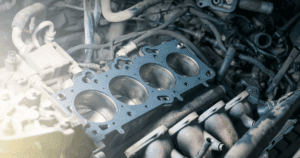 When a gasket fails, it can lead to leaks, overheating, and serious engine damage if ignored. I learned this the hard way when my car began leaking oil after a long highway trip. At first, I thought it was just a loose oil filter, but the mechanic later confirmed it was a worn valve cover gasket.
The repair wasn’t extremely expensive, but it made me curious about car gasket replacement costs, what causes gasket failures, and how to avoid them. In this guide, I’ll break everything down so you know exactly what to expect.
What Is a Car Gasket?
A car gasket is a sealing component placed between two surfaces to prevent fluid or gas leaks. Gaskets also help maintain pressure inside the engine. Common materials used include:
- Rubber
- Cork
- Metal
- Composite materials
- Silicone
These materials must withstand extreme heat, pressure, and chemicals inside the engine.
Average Car Gasket Replacement Cost
The cost of replacing a gasket varies depending on the type of gasket, vehicle model, and labor required.
| Gasket Type | Average Parts Cost | Labor Cost | Total Replacement Cost |
| Valve Cover Gasket | $20 – $80 | $80 – $200 | $100 – $280 |
| Oil Pan Gasket | $30 – $100 | $150 – $350 | $180 – $450 |
| Intake Manifold Gasket | $40 – $150 | $250 – $500 | $300 – $650 |
| Exhaust Manifold Gasket | $20 – $60 | $150 – $400 | $170 – $460 |
| Head Gasket | $100 – $500 | $1,000 – $2,500 | $1,200 – $3,000 |
As you can see, head gasket replacement is the most expensive, mainly due to the extensive labor involved.
Common Types of Car Gaskets
Most engines contain multiple gaskets.
Head Gasket
The head gasket seals the engine block and cylinder head, preventing coolant and oil from mixing.
Valve Cover Gasket
This gasket prevents oil from leaking from the top of the engine.
Oil Pan Gasket
Located between the oil pan and engine block, it seals engine oil inside the crankcase.
Intake Manifold Gasket
This gasket controls airflow between the intake manifold and engine cylinders.
Exhaust Manifold Gasket
It prevents exhaust gases from escaping before reaching the exhaust system.
Signs Your Car Needs a Gasket Replacement
A failing gasket usually gives several warning signs.
1. Oil Leaks
Oil pooling under your vehicle is one of the most common symptoms.
2. Engine Overheating
A damaged head gasket can cause coolant leaks.
3. White Smoke from Exhaust
Coolant burning in the engine often indicates a head gasket problem.
4. Poor Engine Performance
Air or fluid leaks affect engine efficiency.
5. Milky Engine Oil
Oil mixed with coolant creates a milky appearance. Ignoring these symptoms can lead to severe engine damage.
Gasket Replacement Cost Comparison
Different gasket repairs vary widely in complexity.
| Repair Type | Difficulty | Repair Time | Cost Range | Risk If Ignored |
| Valve Cover Gasket | Easy | 1–2 hours | $100 – $280 | Oil leaks |
| Oil Pan Gasket | Moderate | 2–4 hours | $180 – $450 | Oil loss |
| Intake Manifold Gasket | Moderate | 3–5 hours | $300 – $650 | Engine misfires |
| Exhaust Manifold Gasket | Moderate | 2–4 hours | $170 – $460 | Loud exhaust leaks |
| Head Gasket | Very Hard | 10–20 hours | $1,200 – $3,000 | Engine failure |
This comparison shows why diagnosing the exact gasket failure is important.
My Experience with a Gasket Replacement
A few years ago, I noticed a burning oil smell whenever I drove my car for long distances. After inspecting the engine, I found oil leaking near the valve cover. The mechanic confirmed that the valve cover gasket had hardened due to heat and age.
The total repair cost came to about $180, including labor and a new gasket set. It was a relatively small repair compared to the thousands of dollars a head gasket failure could cost.
Factors That Affect Gasket Replacement Cost
Several factors influence the final repair price.
Vehicle Type
Luxury cars and performance vehicles usually have higher labor costs.
Engine Design
Some engines require removing many components before reaching the gasket.
Labor Rates
Repair shop rates vary between $75 and $150 per hour.
Part Quality
OEM parts usually cost more than aftermarket options.
Buyer’s Guide: Choosing the Right Gasket Replacement Parts
If you plan to replace a gasket yourself or want to ensure your mechanic uses quality parts, consider these factors.
1. Material Quality
Gaskets come in different materials. Common types include:
- Rubber
- Multi-layer steel
- Cork
- Graphite
High-quality materials resist heat and pressure better.
2. OEM vs Aftermarket Parts
OEM Gaskets
Pros:
- Perfect fit
- Reliable quality
Cons:
- More expensive
Aftermarket Gaskets
Pros:
- Affordable
- Widely available
Cons:
- Quality varies
3. Complete Gasket Kits
Sometimes buying a full gasket kit is more economical than replacing one gasket at a time. These kits often include:
- Valve cover gasket
- Intake gasket
- Exhaust gasket
- O-rings
- Seals
4. Compatibility
Always verify compatibility using:
- Vehicle year
- Make
- Model
- Engine size
Even small differences can cause fitment issues.
Can You Drive With a Bad Gasket?
It depends on the type of gasket. Minor gasket leaks may allow short-term driving, but serious leaks, especially head gasket problems, should be repaired immediately.
Driving with a bad gasket can lead to:
- Engine overheating
- Oil contamination
- Coolant leaks
- Complete engine failure
How Long Do Car Gaskets Last?
Most gaskets last 80,000 to 150,000 miles, depending on driving conditions and engine maintenance. Heat cycles gradually cause gasket materials to harden and crack.
Tips to Prevent Gasket Failure
Preventive maintenance helps extend gasket life.
Maintain Proper Engine Temperature
Overheating is the main cause of gasket damage.
Use Quality Engine Oil
Good lubrication reduces engine stress.
Replace Coolant Regularly
Fresh coolant protects seals and gaskets.
Fix Leaks Early
Small leaks often become major problems if ignored.
DIY vs Professional Gasket Replacement
Some gasket replacements are DIY-friendly.
Easy DIY Repairs
- Valve cover gasket
- Thermostat gasket
- Small seals
Professional Repairs
- Head gasket
- Oil pan gasket (on some cars)
- Intake manifold gasket
Complex repairs often require specialized tools and experience.
Read More: Car Door Trim Molding
FAQs: Car Gasket Replacement Cost
Why is head gasket replacement so expensive?
Head gasket replacement requires removing the cylinder head and many engine components, making it a labor-intensive repair.
How long does gasket replacement take?
Most simple gasket replacements take 1–4 hours, while head gasket repairs may take 10–20 hours.
Can a gasket leak fix itself?
No. Gasket leaks typically worsen over time.
Is it worth fixing a blown head gasket?
If the vehicle is in good condition, repairing the head gasket can extend its lifespan significantly.
What causes gaskets to fail?
Common causes include:
- Engine overheating
- Age and wear
- Improper installation
- Poor maintenance
How can I tell which gasket is leaking?
A mechanic can diagnose leaks using:
- Visual inspection
- Pressure testing
- Dye leak detection
Final Thoughts
Gaskets may seem like small components, but they play a huge role in keeping your car’s engine sealed and running efficiently. Understanding car gasket replacement costs can help you prepare for repairs and avoid unnecessary expenses.
From relatively cheap repairs like valve cover gaskets to expensive jobs like head gasket replacements, the key is early diagnosis and proper maintenance.
If you notice oil leaks, overheating, or unusual engine behavior, don’t ignore it. Addressing gasket problems early can save you thousands of dollars and prevent serious engine damage.
Regular maintenance and careful driving habits will help your gaskets last longer and keep your car running smoothly for years.