If you’ve ever parked your car under the hot sun for an hour, you already know what happens next. You open the door, and suddenly it feels like stepping into an oven. The steering wheel burns your hands, the seats feel scorching hot, and the air inside the car becomes almost unbearable.
That’s where car sunshades come in. A simple windshield sunshade might look like a thin piece of reflective material, but it actually plays a surprisingly powerful role in reducing the temperature inside your vehicle.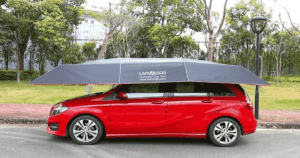 By blocking sunlight, reflecting heat, and protecting your car’s interior from harmful UV rays, sunshades can make a noticeable difference in comfort.
In my experience, the first time I used a proper windshield sunshade during summer parking, the difference was immediately noticeable. The cabin wasn’t ice-cold, of course, but it was far less suffocating than usual. Even the dashboard and seats stayed cooler.
In this guide, we’ll explore:
- How sunshades actually work
- Why do cars heat up so quickly
- The science behind heat reflection
- Different types of sunshades
- How to choose the right one
Plus, we’ll include a comparison table and buyer’s guide to help you find the best option for your car.
Why Cars Get So Hot in the Sun
Before understanding how sunshades work, it helps to understand why cars heat up so fast. This happens due to something called the greenhouse effect.
When sunlight enters your car through the windshield and windows:
- Sunlight passes through the glass.
- Interior surfaces (dashboard, seats, steering wheel) absorb the heat.
- These surfaces release heat energy.
- The heat becomes trapped inside the vehicle.
Since car windows prevent heat from escaping efficiently, temperatures can climb extremely fast. In fact:
- A car parked in 90°F (32°C) weather can reach 130°F (54°C) inside within 30 minutes.
- Dashboards can exceed 160°F (71°C).
This is not just uncomfortable; it can also damage your car’s interior over time.
How Sunshades Keep Your Car Cool
Sunshades work through three main heat-control mechanisms:
1. Reflecting Sunlight
Most sunshades use reflective materials, usually aluminum or metallic-coated polyester.
These materials reflect a large portion of incoming sunlight back through the window instead of letting it enter the car. This drastically reduces heat buildup.
2. Blocking UV Rays
Sunshades also block ultraviolet (UV) radiation, which is responsible for:
- Fading dashboards
- Cracking leather seats
- Damaging plastic trim
High-quality sunshades can block up to 99% of UV rays.
3. Insulating the Interior
Many sunshades include multiple insulation layers. These layers slow down heat transfer from the windshield to the cabin. Think of it like a thermal barrier protecting your dashboard and interior surfaces.
Types of Car Sunshades
There are several sunshade styles available, and each has advantages depending on your needs.
1. Foldable Accordion Sunshades
The classic design.
Features
- Cardboard or foam core
- Reflective surface
- Accordion folding style
Pros
- Affordable
- Easy to install
- Widely available
Cons
- Can wear out over time
- Bulkier when stored
2. Roll-Up Sunshades
These roll up like a poster when not in use.
Pros
- Easy storage
- Quick setup
Cons
- Less rigid structure
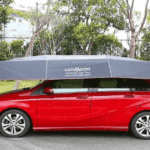
3. Umbrella Sunshades
A newer design that opens like an umbrella across the windshield.
Pros
- Very compact
- Easy to store
- Modern design
Cons
- Slightly more expensive
4. Custom-Fit Sunshades
These are made specifically for your car model.
Pros
- Perfect fit
- Maximum heat protection
Cons
- Higher price
Car Sunshade Comparison Table
| Sunshade Type | Ease of Use | Heat Protection | Price Range | Best For |
| Foldable Accordion | Easy | Good | Low | Everyday drivers |
| Roll-Up | Very Easy | Moderate | Low | Small cars |
| Umbrella Style | Very Easy | Very Good | Medium | Frequent travelers |
| Custom Fit | Moderate | Excellent | Higher | Maximum protection |
Real-World Temperature Difference
You might wonder how much difference a sunshade actually makes. In most real-world tests:
| Condition | Interior Temperature |
| No Sunshade | 130°F (54°C) |
| Basic Sunshade | 110°F (43°C) |
| Premium Sunshade | 100°F (38°C) |
That’s a 20–30°F reduction, which is significant when getting into a parked car.
Benefits of Using a Car Sunshade
Using a sunshade regularly provides several long-term benefits.
Cooler Interior
The biggest advantage is obvious: lower cabin temperatures. Even a small temperature drop improves comfort dramatically.
Protects Dashboard and Trim
UV exposure can cause:
- Dashboard fading
- Plastic cracking
- Leather damage
A sunshade helps preserve the interior.
Extends AC System Efficiency
When your car starts, the air conditioning system works less. This can help reduce fuel consumption slightly.
Protects Electronics
Modern cars have sensitive electronics in their dashboards. Excessive heat can shorten their lifespan.
My Personal Experience Using Sunshades
I used to think sunshades were just a small convenience item. But after parking my car outside regularly during the summer, I noticed something interesting. Without a sunshade:
- The steering wheel felt hot
- Dashboard became extremely warm
- AC took several minutes to cool the cabin
With a sunshade:
- The interior felt noticeably cooler
- AC cooled the car faster
- Dashboard stayed in better condition
It’s one of those small accessories that actually makes a big difference.
Buyer’s Guide: Choosing the Best Car Sunshade
Not all sunshades are created equal. Here’s what to consider before buying one.
1. Size and Fit
Your sunshade should match your windshield dimensions.
Too small → sunlight leaks in.
Too large → difficult to install.
Measure your windshield or buy vehicle-specific designs.
2. Reflective Material
Look for sunshades with:
- Aluminum reflective coating
- Multi-layer insulation
These provide better heat reflection.
3. Durability
Cheap sunshades often degrade quickly. Look for:
- Reinforced edges
- Durable folding design
- Strong reflective coating
4. Ease of Storage
Some designs fold flat, while others roll up or collapse like umbrellas. Choose what fits your storage space.
5. UV Protection Rating
Higher-quality sunshades block 95–99% UV rays. This protects both passengers and interior materials.
Tips for Maximum Cooling
Sunshades work even better when combined with a few simple habits.
Crack the Windows Slightly
Allow hot air to escape.
Park in Shade
Trees or buithe shades can reduce heat dramatically.
Use Rear Window Sunshades
These help reduce heat entering from behind the vehicle.
Use Light-Colored Seat Covers
Dark materials absorb more heat.
Common Myths About Car Sunshades
Myth 1: Sunshades Make Cars Cold
Sunshades don’t make cars cold. They simply reduce heat buildup.
Myth 2: Tint Makes Sunshades Unnecessary
Window tint helps, but sunshades still block direct sunlight through the windshield, which tint may not fully stop.
Myth 3: All Sunshades Are the Same
Material quality and fit make a big difference in performance.
Read More: What Is An AC Belt In A Car
FAQs: How Do Sunshades Keep The Car Cool
Do sunshades really keep cars cool?
Yes. They reflect sunlight and block UV rays, reducing cabin temperatures by 20–30°F in many cases.
Are windshield sunshades worth it?
Absolutely. They are inexpensive, easy to use, and help protect your car’s interior from harsh damage.
Can sunshades damage windshields?
No. Properly designed sunshades are safe for windshields and simply rest against the glass.
Do sunshades help the AC work better?
Yes. A cooler starting temperature allows the AC system to cool the cabin faster.
Are umbrella sunshades better?
Umbrella sunshades are convenient and compact, but performance depends on material quality.
Should I use sunshades on side windows too?
Side window shades can further reduce interior heat, especially in extremely hot climates.
Final Thoughts
Car sunshades may seem like a simple accessory, but they’re one of the most effective and affordable ways to keep your vehicle cooler in the sun.
By reflecting sunlight, blocking UV rays, and insulating your interior, sunshades reduce heat buildup and protect your dashboard, seats, and electronics from long-term damage.
If you regularly park outside, especially during summer, investing in a quality sunshade is absolutely worth it.