If you’ve ever turned on your car’s AC and noticed:
- A musty smell
- Weak airflow
- More dust inside your car
- Increased sneezing while driving
There’s a good chance your car cabin air filter is overdue for replacement. I’ll be honest, for years, I barely paid attention to the cabin filter. I focused on engine oil, brake pads, tires, the “big stuff.”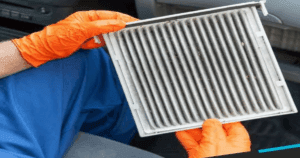 But once I replaced a severely clogged cabin filter in one of my older cars, the difference was immediate. Stronger airflow. Cleaner smell. Better cooling.
That’s when I realized: this tiny filter quietly affects your daily driving comfort more than you think. In this complete guide, we’ll cover:
- What a cabin air filter does
- Signs it needs replacement
- Cost breakdown
- Types compared
- A practical buyer’s guide
- Maintenance tips
- Long-form expert insights
- FAQs
Let’s break it down in simple, real-world terms.
What Is a Car Cabin Air Filter?
A cabin air filter is a small rectangular filter located inside your vehicle’s HVAC system (Heating, Ventilation, and Air Conditioning).
Its job is simple:
👉 It cleans the air that enters your car’s interior.
It filters out:
- Dust
- Pollen
- Dirt
- Exhaust particles
- Mold spores
- Road debris
- Sometimes odors and harmful gases
Think of it like the “air purifier” for your vehicle.
Why Cabin Air Filters Matter More Than Most Drivers Think
Many people assume this filter only affects comfort. But it also impacts:
✔ Your health
✔ AC performance
✔ Heater efficiency
✔ Windshield defogging
✔ Interior air quality
✔ HVAC system lifespan
A clogged filter restricts airflow. That makes your blower motor work harder and that can eventually cause system wear.
Types of Cabin Air Filters (Quick Comparison)
Here’s a simple breakdown to help you understand your options:
| Filter Type | Best For | Average Price | Pros | Cons |
| Particle (Standard) | Basic dust & pollen | $10–$25 | Affordable, effective | Doesn’t remove odors |
| Activated Carbon | Urban driving, odor control | $20–$50 | Removes smells & gases | Slightly higher cost |
| HEPA Cabin Filter | Allergy-sensitive drivers | $35–$80 | Superior filtration | Expensive, not available for all cars |
| Premium Multi-Layer | High pollution areas | $40–$100 | Advanced filtration + odor control | Higher upfront cost |
For most drivers, a carbon filter offers the best balance of performance and price.
How Much Does a Cabin Air Filter Cost?
Cabin air filter costs are surprisingly reasonable.
DIY Replacement:
- Filter only: $10 – $50
- Takes: 5–20 minutes
Shop Replacement:
- Parts + labor: $50 – $150
Many shops charge high labor costs for a part that’s often accessible behind the glove box. In most cars, this is a beginner-friendly DIY job.
Signs Your Cabin Air Filter Needs Replacement
Here’s what I personally look for:
1. Weak Airflow
Even at max AC or heat, airflow feels weak.
2. Musty or Dirty Smell
Especially when AC first turns on.
3. Increased Allergy Symptoms
Sneezing more while driving? The filter may be clogged.
4. Foggy Windows
Restricted airflow reduces defogging efficiency.
5. Visible Dirt
If you inspect the filter and see heavy debris buildup.
How Often Should You Replace It?
Most manufacturers recommend:
Every 12,000 to 15,000 miles
Or: Once per year. However, replace sooner if you:
- Drive in dusty areas
- Live in polluted cities
- Park under trees frequently
- Have allergies
In heavy pollution environments, I recommend every 8–10 months.
What Happens If You Don’t Replace It?
You might experience:
- Reduced AC performance
- Unpleasant interior odors
- Poor air circulation
- Extra strain on the HVAC motor
- Increased allergens inside the car
It won’t destroy your engine, but it can reduce comfort significantly.
Cabin Air Filter vs Engine Air Filter (Important Difference)
People often confuse the two.
| Feature | Cabin Air Filter | Engine Air Filter |
| Filters the air for | Inside cabin | Engine combustion |
| Affects | Air quality & AC | Engine performance |
| Location | Behind the glove box/dashboard | Under hood |
| Replacement Cost | Lower | Slightly higher |
| Replacement Frequency | 12–15k miles | 15–30k miles |
Both are important, but they serve totally different systems.
Buyer’s Guide: Choosing the Right Cabin Air Filter
Here’s what you should consider before buying:
1. Your Driving Environment
City drivers → Choose a carbon filter
Dusty/rural roads → Multi-layer filter
Allergy concerns → HEPA if available
2. Vehicle Compatibility
Always check:
- Make
- Model
- Year
- Trim
Even slight variations can change filter size.
3. OEM vs Aftermarket
OEM:
- Perfect fit
- Reliable
- Slightly more expensive
Aftermarket:
- Often cheaper
- More variety
- Some premium upgrades are available
Personally, I prefer reputable aftermarket carbon filters.
4. Brand Reputation
Look for brands known for:
- Proper sealing of edges
- Strong filter material
- Activated carbon quality
Cheap filters sometimes allow unfiltered air bypass.
5. Installation Ease
Check YouTube for your car model. Some filters:
- Take 5 minutes
- Others require minor panel removal
My Personal Experience Replacing Cabin Air Filters
The first time I replaced mine, I was shocked. The old filter was:
- Dark gray
- Packed with leaves
- Covered in dust
Airflow improved immediately. Cooling performance improved noticeably. And the musty smell disappeared. Since then, I replace it yearly without thinking twice. It’s one of the highest comfort upgrades for the lowest cost.
Step-by-Step: How to Replace a Cabin Air Filter
(General guide: always check your manual)
- Open the glove compartment
- Remove glove box stopper tabs
- Locate rectangular filter housing
- Slide out the old filter
- Insert new filter (check airflow arrow)
- Reassemble
Time required: 10–15 minutes. Tools required: Usually none.
Long-Term Benefits of Regular Replacement
Replacing regularly helps:
- Maintain strong airflow
- Improve AC efficiency
- Reduce blower motor strain
- Maintain cabin freshness
- Improve driving comfort
- Support respiratory health
For such a small part, it delivers surprising benefits.
Common Mistakes Drivers Make
❌ Installing filter backward (check airflow arrow)
❌ Buying the cheapest unknown brand
❌ Ignoring it for years
❌ Confusing it with the engine air filter
❌ Overpaying the dealership for a simple replacement
Cabin Air Filter and AC Performance
A clogged filter reduces:
- Cooling speed
- Air distribution
- Dehumidification
- Defrosting efficiency
Many drivers think their AC is failing when it’s just a $20 filter issue.
Environmental Impact Consideration
Modern filters help reduce:
- Road dust exposure
- Pollutant inhalation
- Smog particles
- Microscopic debris
Especially helpful in high-traffic urban areas.
Read More: How To Test BMW Oil Level Sensor
FAQs: Car Cabin Air Filter
1. Is it safe to drive without a cabin air filter?
Technically, yes, but not recommended. Dust and debris can enter the HVAC system.
2. Does a dirty cabin filter affect fuel economy?
Indirectly, if the HVAC system works harder, it may slightly increasethe load.
3. Can I wash and reuse it?
Most cabin filters are disposable. Only specific washable types can be reused.
4. Why does my new filter still smell?
Could be mold in the AC evaporator, not the filter.
5. How do I know which size to buy?
Check:
- Owner’s manual
- Auto parts store lookup
- Online compatibility tool
6. Does replacing it improve AC cooling?
Yes, especially if the old one was clogged.
7. Should I replace it before summer?
Absolutely. The best time is before heavy AC usage.
8. Why do some filters cost $80+?
Premium HEPA or multi-layer activated carbon filters cost more due to advanced filtration.
9. Can a dirty cabin filter cause windshield fogging?
Yes, reduced airflow affects defrosting.
10. Is dealership replacement worth it?
Only if the labor cost is reasonable. Many vehicles allow easy DIY replacement.
Final Thoughts
The cabin air filter might be one of the most overlooked parts in your car, but it directly affects your daily driving comfort.
For:
- $20–$50
- 10 minutes of time
- Once per year
You get:
✔ Cleaner air
✔ Better AC
✔ Less odor
✔ Improved airflow
✔ Healthier interior
That’s a pretty solid return on investment.