Braking system maintenance is one of the most important and most commonly overlooked parts of car ownership. Yet, every driver eventually faces the same question: “How much is this going to cost?” 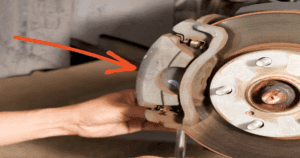 If you’ve ever wondered what you’re actually paying for when your mechanic says you need new brake pads and discs, you’re in the right place.
This article breaks down real cost ranges, what affects pricing, and how to make smart decisions, written in a casual yet informative tone, like advice from a friend who’s done this more times than they can count.
Why Brake Costs Vary So Much
There’s no single fixed price for brake service because of a few big variables:
- Your vehicle’s make and model (small cars vs SUVs vs luxury cars)
- Parts quality and material (budget pads vs ceramic vs performance)
- Whether rotors need replacing or just resurfacing
- Labor rates in your area or the shop you choose
- Additional services like caliper replacement or brake fluid flush
Repair costs can range from surprisingly affordable to shockingly high, depending on these factors (and where you live).
Brake Pad + Disc Replacement Cost — Quick Comparison
Here’s a solid breakdown of what you might expect to pay in general 2025 pricing (U.S. averages):
| Service Type | Typical Cost Range (U.S.) | Notes |
| Brake Pads only (per axle) | $100 – $300 | Basic pads and installation included. |
| Brake Pads + Rotors (Discs) (per axle) | $300 – $650 | Pads and discs were replaced with labor. |
| Full brake job (pads, rotors, pads + fluid) | $400 – $950+ | Includes brake fluid flush & hardware. |
| Luxury / Performance Vehicles | $800 – $1,500+ | Higher parts & labor. |
(“Per axle” means front or rear wheels. Most cars have two axles, front and rear.) Keep in mind that these are U.S. market averages; in other countries or regions, prices can differ quite a bit.
USA brake service often runs lower for basic pads and discs, roughly 40–200 USD total, depending on the vehicle and parts used.
Why It Matters: What You’re Actually Paying For
🚗 Brake Pads: These are the friction parts that press against rotors to slow you down. They wear out over time and usually need replacement every 30,000–60,000 miles, depending on use and quality.
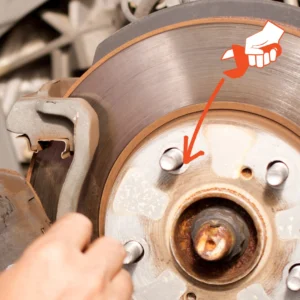
🔩 Brake Discs (Rotors): Steel discs that pads clamp onto. Rotors can be resurfaced (smoothed) if worn slightly, or fully replaced if they’re too thin or warped.
⚙️ Labor: Replacing brakes typically takes 1–2 hours per axle at a shop. Labor rates vary widely based on city and shop.
🛠 Additional Services: Sometimes shops recommend brake fluid flushes, caliper servicing, or hardware kits; these add to the cost.
The Big Cost Drivers Explained
Here’s what really makes your bill bigger and what you can control:
1. Vehicle Type
- Economy sedans cost less to repair.
- SUVs and trucks use bigger, heavier parts more expensive.
- Luxury/performance cars often require premium parts or specialist tools very costly.
2. Brake Pad Material
- Organic pads: Cheapest, wear faster.
- Semi-metallic: Mid-range price and performance.
- Ceramic: Best performance, longer life, higher cost.
3. Rotor Condition
If your rotors are warped, rusted, or worn too thin, they must be cut or replaced, and that can be a significant chunk of the cost.
Buyer’s Guide — What You Need to Know Before You Pay
This section is your decision checklist to make sure you spend wisely.
1. Ask for Itemized Quotes
A good shop should list:
- Parts cost (pads, rotors)
- Labor cost
- Additional services (fluid, hardware)
This helps you compare apples to apples.
2. OEM vs Aftermarket Parts
- OEM (Original) parts: Manufacturer quality might cost more, but fit perfectly.
- Aftermarket parts: Often cheaper, but quality varies. Do some research on brands.
Tip: Sometimes, a reputable aftermarket brand can actually outperform OEM in longevity.
3. Check Shop Reviews
Brakes are safety parts quality matters. A cheaper shop with bad reviews can cost you more in the long run.
4. Consider Doing Some Yourself
If you’re mechanically inclined and have tools, brake pad replacement is doable at home. But rotor replacement and safe implementation require proper tools and experience.
My Personal Experience With Brake Costs
I’ll be honest here, brakes aren’t cheap, but ignoring them is costlier.
The first time I had brakes done on my old sedan, I was quoted around $450 for all four corners (pads and rotors), which sounded steep but saved me from uneven wear and squealing noises that were already telling me they were overdue. After jumping around shops, I learned:
- Do the pads front and rear together, where possible, balanced brakes stop the car better.
- Don’t let “discount” shops cut corners with no resurface or no hardware kits that leads to uneven wear later.
- Brake fluid flush during a pad job isn’t always needed, but sometimes recommended.
When Should You Replace Pads and Discs?
You should consider replacement when you notice:
- Squeaking or grinding noises when braking
- Vibration or pulsation through the pedal
- Longer stop distances
- Thin brake pad material on visual inspection
Regular checks can keep costs down because you can avoid letting pads wear so thin that they damage rotors beyond resurfacing.
Common Mistakes Car Owners Make
🚫 Waiting too long to replace pads
👉 This can warp rotors and adds $100–$300+ to your bill.
🚫 Only replacing pads without checking rotors
👉 Rotors must be flat and within the thickness spec, or new pads will wear unevenly.
🚫 Ignoring shop quotes or not asking questions
👉 Always ask what’s included!
Read More: How To Do An Oil Pressure Test
FAQs: How Much Does Brake Pad And Disc Replacement Cost
Q1: How long do brake pads usually last?
Brake pads commonly last 30,000–60,000 miles, but this depends on driving style and conditions.
Q2: Can I just replace brake pads without changing rotors?
Yes, if rotors are within wear specs and not warped, but often new pads on worn rotors reduce stopping performance and wear pads fast.
Q3: Is it cheaper to replace brakes at a dealership?
Usually, no independent shops often have lower labor rates, though dealerships may use OEM parts.
Q4: Can I replace brake pads myself?
If you have basic tools and confidence, yes, for pads. Rotors and complicated calipers are trickier and safety-critical.
Q5: Do I need to bleed brakes after pad/disc replacement?
It’s often recommended to ensure no air is in the system, which keeps pedal feel firm and consistent.
Q6: Why does the price vary between front and rear brakes?
Front brakes often do more braking load and may cost more in parts and labor.
Q7: Why did my quote include brake fluid change?
Mechanics recommend fresh brake fluid when working on brakes for best performance and corrosion prevention.
Final Thoughts
Brake pads and discs are critical safety parts of your car. Yes, you’re paying for safety, but that doesn’t mean the process should be mysterious or overpriced.